Roatan Honduras: Diving & Travel Guide
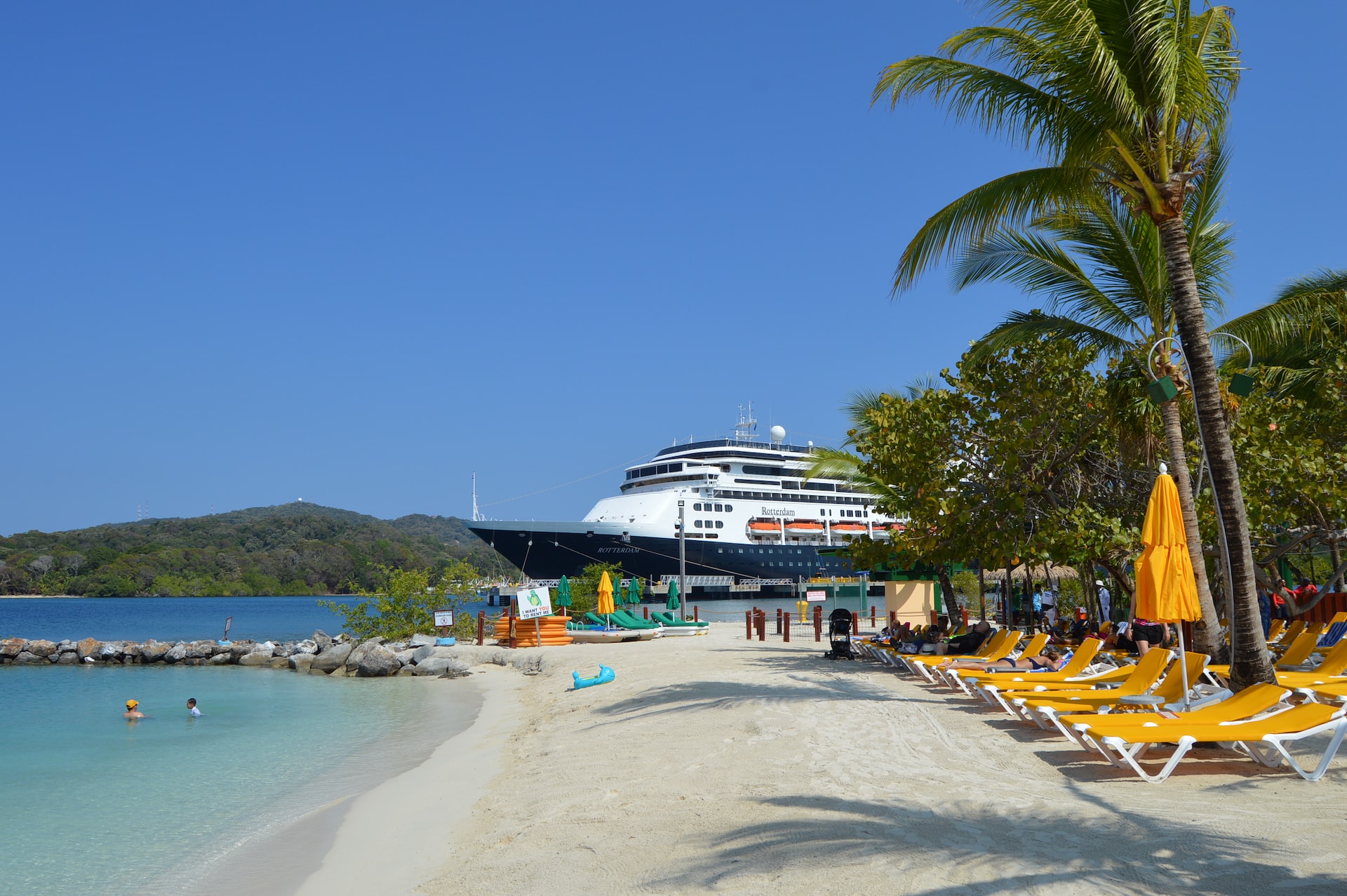
I flew into Roatan for the diving and stayed for the fish tacos. The Mesoamerican Barrier Reef sits just offshore, and I spent five days doing two dives each morning before the water got too warm. Reef sharks, eagle rays, and sea turtles were regular sightings. West Bay Beach is genuinely excellent – the kind of white sand and clear water you see in postcards – though it fills with cruise ship passengers when boats are in port. The island has a relaxed Caribbean atmosphere that Central America sometimes lacks, and prices are noticeably lower than the Caribbean proper. My PADI Advanced certification cost about a third of UK prices.
Roatan is the largest of Honduras’s Bay Islands, a 30-mile long Caribbean island known for diving, beaches, and cruise ship traffic. The island sits along the Mesoamerican Barrier Reef – the second largest in the world after Australia’s Great Barrier Reef.
Beaches
West Bay Beach: Often ranked as the best beach in Central America. White sand, calm turquoise water, easy snorkeling directly from shore. Gets busy when cruise ships are in port.
Sandy Bay Beach: More active option with windsurfing, kitesurfing, and paddleboarding.
Half Moon Bay: Quieter alternative with good snorkeling.
Diving and Snorkeling
Roatan is a major dive destination with over 400 fish species on the reef. Dozens of dive shops offer everything from beginner certifications to advanced technical diving.
What to see:
- Reef sharks
- Sea turtles
- Eagle rays
- Coral formations
- Tropical fish
PADI certification courses are significantly cheaper than in the US or Europe.
Attractions
Gumbalimba Park: Ziplines, suspension bridges, swimming with dolphins, monkeys and macaws.
Carambola Gardens: Botanical gardens with exotic plants.
Guacimo Cave: Cave system with stalactites and stalagmites.
Old Town Roatan: Sino-Portuguese architecture, small shops, local restaurants.
Culture
The island has a mixed heritage – English settlers arrived in the 1600s, followed by African, Spanish, and indigenous influences. The local Garifuna culture combines African and Caribbean traditions. Punta music (African rhythms mixed with Caribbean beats) originated in this region.
Languages: English is widely spoken alongside Spanish.
Food
Seafood dominates – fresh lobster, shrimp, and fish are abundant and inexpensive. Traditional Honduran dishes include:
- Baleadas (flour tortillas with refried beans)
- Platanos tajaditos (fried plantains)
- Pupusas (stuffed corn tortillas)
- Rice and beans
- Seafood stew
Getting There
Flights: Juan Manuel Galvez International Airport (RTB) has flights from Miami, Houston, Atlanta, and several Central American cities.
Ferry: From La Ceiba on the Honduran mainland (1-2 hours).
Cruise ships: Mahogany Bay and Coxen Hole receive major cruise lines.
Practical Info
Currency: Honduran Lempira (HNL). US dollars widely accepted.
Visa: US, UK, EU citizens can enter Honduras visa-free for up to 90 days.
Safety: The tourist areas of Roatan are considered safe. Standard travel precautions apply.
Best time to visit: December-April (dry season). Hurricane season runs June-November.
Shopping
Island Plaza: Main shopping center with souvenirs, local crafts, groceries, and pharmacy.
Local markets sell hand-painted wooden boxes, beaded jewelry, and traditional crafts.
Frequently Asked Questions
Do I need a visa to visit Roatan?
No visa is required for US, UK, and EU citizens for stays up to 90 days in Honduras. You need a valid passport with at least 6 months validity remaining. A return or onward ticket may be requested at immigration.
What is the best time to visit Roatan?
December to April is the dry season with the best weather, calm seas, and excellent diving conditions. This is peak tourist season. June to November is hurricane season with higher rainfall and humidity, though rain typically falls in short bursts. Water temperatures remain warm year-round.
What currency is used in Roatan?
The official currency is the Honduran Lempira (HNL), but US dollars are widely accepted throughout the island. Most resorts, restaurants, and dive shops accept USD. Credit cards are accepted at larger establishments, though cash is useful for smaller vendors.
How much does diving certification cost in Roatan?
Roatan offers excellent value for PADI certification courses, costing approximately one-third of UK or US prices. Open Water courses typically cost $300-400, while Advanced certifications are similarly affordable. Individual dives cost around $40-60, with package deals offering better value.
Is Roatan safe for tourists?
Tourist areas of Roatan are generally safe. West Bay Beach, West End, and resort areas have good security. As with any destination, use standard travel precautions: avoid displaying valuables, stay in well-populated areas at night, and use registered taxis. Crime against tourists is relatively rare in the main tourist zones.
What are the best diving sites in Roatan?
Roatan sits on the Mesoamerican Barrier Reef, the world’s second largest. Top sites include the reef walls off West Bay and West End, where you can see reef sharks, sea turtles, eagle rays, and over 400 fish species. Night dives and drift dives are particularly popular. Many dive shops offer shore diving directly from West Bay Beach.