Best Zoos in the UK: 19 Compared by Size, Animals and Price
I have visited most of the major zoos in the UK over the years, from childhood trips to London Zoo where I pressed my face against the glass at the gorilla enclosure, to more recent family outings to Chester and Edinburgh. The UK takes its zoos seriously – these are not just tourist attractions but genuine conservation centres doing important work breeding endangered species. The best ones combine that serious purpose with genuinely memorable animal encounters.
Below are nineteen of them, compared on what actually matters when you’re choosing: how big they are, what you’ll see that you won’t see elsewhere, and who each one suits. Safari parks are a different day out with different rules, so they have their own guide — see the best safari parks in the UK if you’d rather drive through the animals than walk past them.
Best zoos in the UK at a glance
| Zoo | Where | Size | Standout animals | Best for |
|---|---|---|---|---|
| Chester Zoo | Cheshire | Very large | Elephants, orangutans, Sumatran tigers | The single best all-rounder |
| London Zoo | Regent’s Park, London | Compact | Gorillas, lions, penguins | A city day out without a car |
| Whipsnade Zoo | Bedfordshire | 600 acres, UK’s largest | Elephants, rhinos, cheetahs | Space, and never feeling crowded |
| Edinburgh Zoo | Edinburgh | Medium, steep site | Koalas, red pandas, penguins | Scotland’s best, reachable by bus |
| Yorkshire Wildlife Park | Doncaster | Large | Polar bears, black rhinos | Big-animal enclosures done well |
| Twycross Zoo | Leicestershire | Medium | Bonobos, gorillas, chimpanzees | Primates, seriously |
| Marwell Zoo | Hampshire | Large, parkland | Snow leopards, giraffes, rhinos | Pushchairs and picnic weather |
| Colchester Zoo | Essex | Large | Elephants, white tigers | Animal-feeding experiences |
| Paignton Zoo | Devon | Large, wooded | Orangutans, lions, giraffes | Combining with a Devon holiday |
| Blackpool Zoo | Lancashire | Medium | Elephants, sea lions, gorillas | A rainy-day Blackpool backup |
| Bristol Zoo Project | South Gloucestershire | Large, still developing | Bears, wolves, giraffes | Seeing a new zoo take shape |
| Cotswold Wildlife Park | Oxfordshire | Large, gardens | Rhinos, lions, giraffes | Grounds as good as the animals |
| Dudley Zoo and Castle | West Midlands | Medium, hillside | Snow leopards, tigers | A zoo and a castle in one ticket |
| Banham Zoo | Norfolk | Medium | Big cats, lemurs, birds of prey | East Anglia families |
| Drusillas Park | East Sussex | Small | Meerkats, lemurs, penguins | Under-10s, and only under-10s |
| Newquay Zoo | Cornwall | Small | Lions, lemurs, red pandas | A half-day in Cornwall |
| Welsh Mountain Zoo | Colwyn Bay, Wales | Medium, hillside | Snow leopards, sea lions | Views over the Irish Sea |
| Highland Wildlife Park | Kincraig, Scotland | Large, drive-in section | Polar bears, wildcats, bison | Cold-climate and native species |
| Belfast Zoo | Northern Ireland | Medium, hillside | Gorillas, elephants, red pandas | Northern Ireland’s main zoo |
What UK zoo tickets actually cost
Most big UK zoos have moved to dynamic pricing, which is the single most useful thing to understand before you book. The price is not fixed — it changes by date, and the gate price is deliberately much higher than the online one.
Two worked examples, both checked in August 2026:
- Chester Zoo charges £42.50 at the gate for an adult. Book online and adult tickets start around £25–28, depending on the date you pick.
- London Zoo charges £37.00 at the gate for an adult. Online in advance it is £31.80 without the voluntary donation, or £35.00 with it.
So the rule is simple: never turn up and pay at the gate. On a family of four at Chester that difference is comfortably over £50. Book online, book for a weekday if you can, and book outside the school holidays if your circumstances allow.
A few other things worth knowing:
- Many zoos price a “voluntary donation” version alongside the plain ticket. The donation version is the one shown first. You can decline it.
- Annual membership usually pays for itself in two visits. If you live within an hour of a big zoo, do the maths before buying day tickets.
- ZSL membership covers both London Zoo and Whipsnade, which is good value if you’ll do both.
- Blue Peter badges, Max Card and some library passes get free or reduced entry at a number of these zoos.
Prices below are not listed per zoo because they move too often to be reliable in a guide. Check the zoo’s own booking calendar for your date.
Chester Zoo
Chester Zoo is the one to pick if you can only do one. It attracts over two million visitors a year, making it the most visited zoo in the UK, and it earns that with genuinely large, well-designed habitats rather than rows of small enclosures.
The Islands section — a walk-through recreation of South East Asian habitats, with Sumatran tigers, orangutans and a boat ride — is the best single exhibit at any UK zoo. The elephant house and the Realm of the Red Ape are close behind.
Founded in 1931 by George Mottershead, it was built on the then-radical principle of a zoo without bars. That philosophy still shows in how the place is laid out. Chester is also a serious conservation organisation, running breeding programmes for critically endangered species and field projects internationally.
Give it a full day. It is genuinely too big for half of one, and the site is a long walk end to end.
London Zoo
Founded in 1828, London Zoo is one of the oldest zoos in the world. Situated in the heart of London’s Regent’s Park, the zoo is home to over 16,000 animals, including lions, tigers, gorillas, and kiwis. London Zoo also has an excellent educational programme, with talks and tours running throughout the day.
London Zoo prices
Checked August 2026: an adult ticket booked online in advance is £31.80 without the voluntary donation, or £35.00 with it. Turn up and pay at the gate and it is £37.00. Under-3s go free, and carers of disabled visitors go free. Check current prices and dates on the London Zoo site — like most big zoos, the price varies by date.
When to visit
The London Zoo is open every day of the year except for Christmas Day. Opening times vary depending on the time of year, so be sure to check the website before you go. During peak periods, such as summer and school holidays, the zoo can get very busy. Off-peak visits are quieter.
What to see
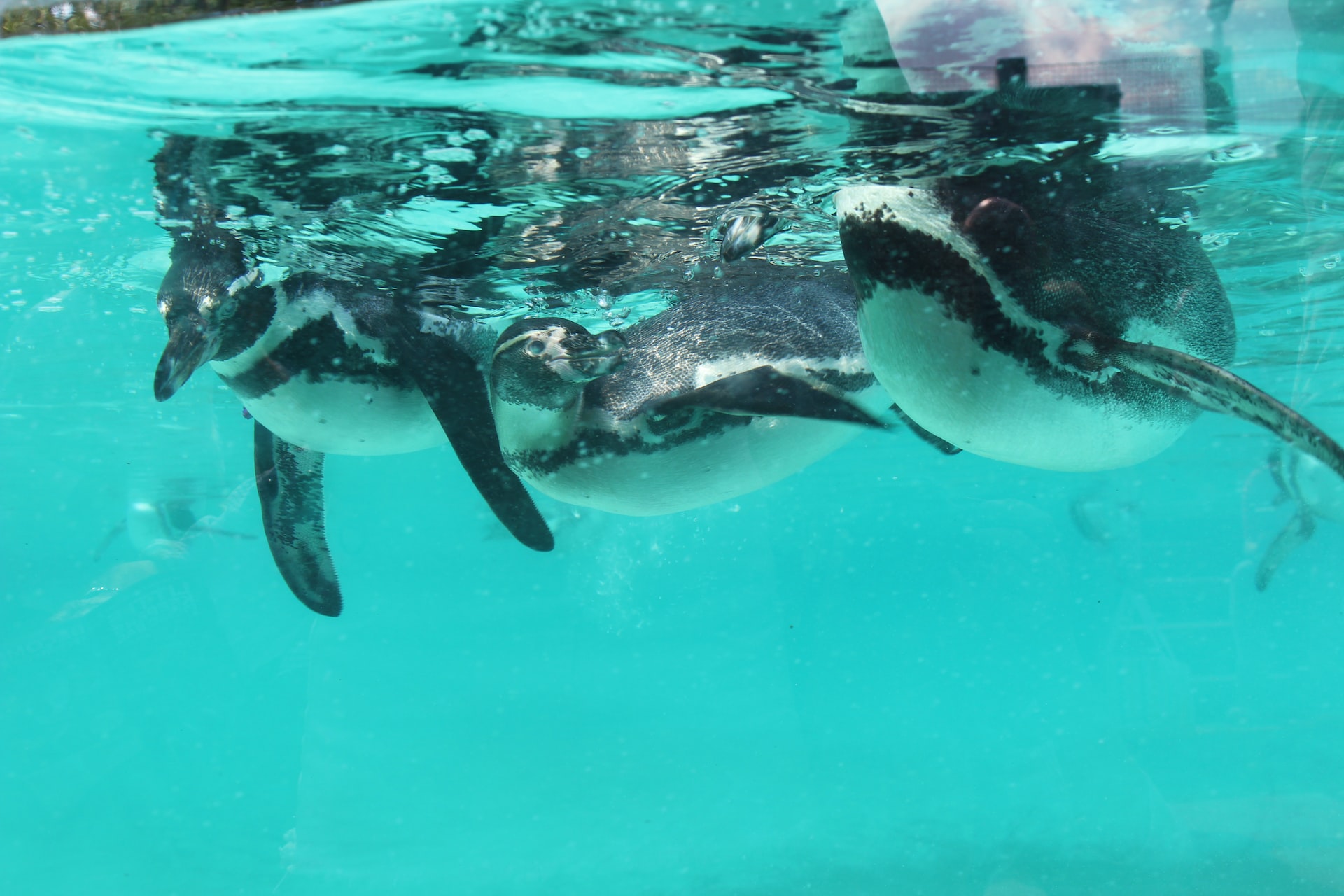
With over 16,000 animals spread out over 36 acres, there’s a lot to see at the London Zoo! Some of the most popular attractions include the Gorilla Kingdom, Land of the Lions, Penguin Beach, Tiger Territory, and Aquarium. Be sure to pick up a map when you enter so you don’t miss anything!
Check opening times and buy tickets in advance – queues at the gate can be long, especially in summer.
Edinburgh Zoo
Edinburgh Zoo is Scotland’s largest zoo and is located just a few miles from the city center. The zoo is home to over 1,000 animals, including pandas, chimpanzees, and red pandas. Edinburgh Zoo also offers keeper talks, animal enrichment activities, and behind-the-scenes tours.
Getting to Edinburgh Zoo
Edinburgh Zoo is located just a few miles from the city centre, making it easily accessible by public transport. If you’re coming by train, the zoo is just a short walk from Wester Hailes station. If you’re driving, there are several parking options available, including on-street parking and dedicated park-and-ride service. Please note that there is a charge for all parking at the zoo.
When to visit
Edinburgh Zoo is open every day of the year except for Christmas Day and Boxing Day. Many animals are most active early in the morning or late in the afternoon. The zoo also runs special events and exhibitions throughout the year, so check the website before you visit.
What to see
As well as being home to some of the world’s rarest animals, Edinburgh Zoo features an impressive collection including African lions, Humboldt penguins, koalas, and red pandas. The zoo was previously home to the UK’s only giant pandas, Tian Tian and Yang Guang, who returned to China in December 2023 after 12 years in Scotland.
Why go?
Edinburgh Zoo is well worth a visit whether you’re an animal enthusiast or just after a good day out. It’s easy to reach from the city centre by public transport.
Yorkshire Wildlife Park
Yorkshire Wildlife Park is located near Doncaster in South Yorkshire. The park is home to over 400 animals across 70 species, including polar bears, lions, tigers, and black rhinos. Yorkshire Wildlife Park also offers keeper talks and behind-the-scenes tours.
Yorkshire Wildlife Park has over 400 animals across 70 species, including polar bears, lions, tigers, and meerkats. There are daily keeper talks where you can learn about the animals and how they are cared for.
Things to do
There is also an adventure playground and a safari train ride. There is a café on site, or you can bring your own picnic.
Whipsnade Zoo
Whipsnade Zoo is located in Bedfordshire and is run by the charity ZSL (Zoological Society of London). The zoo is home to over 3,500 animals and covers 600 acres. Whipsnade Zoo offers a range of animal experiences as well as keeper talks and behind-the-scenes tours.
Opening times
Whipsnade Zoo is open every day from 10am to 6pm (last entry 5pm). Buy tickets online or at the gate. You’ll be given a map on entry to help plan your route.
What types of animals?
Some of the animals you’ll see at Whipsnade Zoo include lions, tigers, elephants, giraffes, rhinos, and gorillas. There are also several smaller animals, such as meerkats, otters, and penguins. In addition to the animal enclosures, there are also several play areas for children, a café, and a shop.
The open spaces and safari-style layout make Whipsnade a good choice for families, and the 600-acre site means it never feels crowded even on a busy day.
Twycross Zoo
Twycross in Leicestershire is the primate specialist, and it is the reason to go. It holds all four great ape species — gorillas, orangutans, chimpanzees and bonobos — which very few zoos anywhere manage, and the bonobo group is one of the most significant outside Africa.
It is a manageable size, well set up for children, and rarely as crowded as Chester. If anyone in your party is genuinely interested in primates rather than just ticking off big cats, this is the trip.
Marwell Zoo
Marwell sits in 140 acres of Hampshire parkland, and the parkland is half the appeal. Snow leopards, giraffes, rhinos and cheetahs, spread out enough that you walk between habitats through actual countryside rather than down concrete paths.
It is one of the easiest big zoos to do with a pushchair, and the picnic spaces are good. Best on a dry day — there is less indoor cover here than at a city zoo.
Colchester Zoo
Colchester’s calling card is proximity. It runs more animal-feeding and close-encounter experiences than most UK zoos, and several are included with standard entry rather than charged as extras.
The elephant herd and the big cats are the highlights. It is a large site on a slope, so allow more time and energy than the map suggests.
Paignton Zoo
Paignton is set in 80 acres of wooded Devon valley and is one of the more attractive zoos in the country simply as a place to walk around. Orangutans, lions, giraffes and a good reptile house.
It works well folded into a Devon holiday rather than as a destination in itself, and the tree cover makes it more tolerable than most zoos in poor weather.
Blackpool Zoo
Blackpool Zoo is considerably better than its location’s reputation suggests. Elephants, gorillas, a strong sea lion display and an orangutan outreach programme with real conservation weight behind it.
Its practical value is as the answer to a wet day in Blackpool, and it is a much better one than the seafront arcades.
Bristol Zoo Project
Worth being clear about this one: the original Bristol Zoo Gardens in Clifton closed in September 2022 after 186 years. Bristol Zoo Project, on the former Wild Place site north of the city, is the continuation — a much larger, still-developing zoo built around bigger habitats than the old Clifton site could offer.
Bears, wolves, giraffes and cheetahs, with new areas opening as the build-out continues. Go with the right expectation: it is a zoo in progress, not a finished article, and that is part of what makes it interesting.
Cotswold Wildlife Park
Cotswold Wildlife Park is built around a Victorian manor house and its gardens, and the horticulture is genuinely as much of a draw as the animals. Rhinos graze in front of the house, which is a strange and excellent sight.
Lions, giraffes, and a walk-through lemur enclosure. Combine it with a Cotswolds weekend rather than driving out specially.
Dudley Zoo and Castle
Dudley gives you a zoo and an eleventh-century castle on one ticket, built into a limestone hillside in the Black Country. It also has the world’s largest single collection of Tecton buildings — modernist concrete animal houses from the 1930s, now Grade II* listed.
Snow leopards and tigers are the animal highlights. The hillside site involves real climbing, so it is not the easiest with very young children.
Banham Zoo
Banham is East Anglia’s main zoo, sitting in 50 acres of Norfolk countryside. Big cats, lemurs and a strong birds-of-prey display with regular flying demonstrations.
Solidly good rather than spectacular, but for families in Norfolk and Suffolk it is the obvious choice and it does not feel like a compromise.
Drusillas Park
Drusillas in East Sussex is unapologetically aimed at children under about ten, and it is very good at that job. Meerkats, lemurs, penguins and monkeys, combined with a serious amount of play equipment.
If your children are older than ten they will be bored. If they are three, this is a better day than Chester.
Newquay Zoo
Small, well kept, and set in subtropical gardens. Lions, lemurs, red pandas and a good penguin enclosure, all doable in half a day.
It is the sensible option if you are in Cornwall and want a zoo without giving up a whole day of a beach holiday.
Welsh Mountain Zoo
Perched on a hillside above Colwyn Bay, the Welsh Mountain Zoo has views over the Irish Sea that no other UK zoo can match. Snow leopards, sea lions and chimpanzees.
The site is steep — genuinely steep — so factor that in. On a clear day the outlook alone justifies the trip.
Highland Wildlife Park
Run by the same charity as Edinburgh Zoo, the Highland Wildlife Park near Kincraig specialises in cold-climate and native species: polar bears, Scottish wildcats, European bison, wolves and Amur tigers.
There is a drive-through main reserve section as well as walk-around enclosures. Its polar bear programme is the most significant in Britain, and the Cairngorms setting suits the animals in a way a lowland zoo never could.
Belfast Zoo
Belfast Zoo occupies a hillside on Cave Hill with views over the city and Belfast Lough. Gorillas, elephants, red pandas and a well-regarded Barbary lion group.
It is Northern Ireland’s main zoo and the only one of this size on the island’s north, and the setting is a large part of its character. As with Welsh Mountain, be ready for the gradient.
Which UK zoo should you visit?
- You can only do one, ever: Chester.
- No car: London Zoo, or Edinburgh if you’re in Scotland.
- Toddlers: Drusillas, or Whipsnade for the space.
- Teenagers who think zoos are boring: Yorkshire Wildlife Park’s polar bears, or Highland Wildlife Park.
- A rainy forecast: London or Blackpool — most indoor cover.
- You care about conservation specifically: Chester, Twycross for primates, Highland Wildlife Park for native species.
- A cheap day out: book any of them online, midweek, in term time. That matters far more than which zoo you pick.
Frequently Asked Questions
What is the best zoo in the UK?
Chester Zoo is often considered the best zoo in the UK, attracting over 2 million visitors annually. It’s home to over 15,000 animals representing 500 different species, with strong conservation programmes and well-designed animal habitats. London Zoo and Edinburgh Zoo are also top contenders.
How much does it cost to visit London Zoo?
Checked in August 2026, an adult ticket is £31.80 booked online in advance without the voluntary donation, £35.00 with it, and £37.00 if you pay at the gate. Under-3s go free and carers of disabled visitors go free. London Zoo prices vary by date, so always check the booking calendar — and always book online rather than at the gate.
What is the biggest zoo in the UK?
Whipsnade Zoo in Bedfordshire is the largest, covering 600 acres. Chester Zoo is the most visited, with over two million visitors a year, and holds one of the largest animal collections. Highland Wildlife Park in the Cairngorms is the largest in Scotland.
What is the best zoo in England?
Chester Zoo, on most measures — visitor numbers, collection size, and the quality of its habitats. Whipsnade is the best for space, London Zoo the most accessible without a car, and Twycross the strongest for primates specifically.
Is it cheaper to book zoo tickets online?
Substantially, yes. Most large UK zoos now use dynamic pricing with a deliberately high gate price. Chester Zoo is £42.50 at the gate against roughly £25–28 booked online; London Zoo is £37.00 at the gate against £31.80 online. Booking ahead for a midweek date outside school holidays is the single biggest saving available.
Can you see giant pandas in the UK?
No, the UK currently has no giant pandas. Edinburgh Zoo was previously home to Tian Tian and Yang Guang, who arrived in 2011 as part of a conservation breeding program. They returned to China in December 2023 after 12 years in Scotland.
Which UK zoo is best for children?
London Zoo and Chester Zoo are both excellent for children, offering interactive exhibits, animal encounters, and educational programs. Whipsnade Zoo also offers a great family day out with its large open spaces and safari-style experience across 600 acres.
Do UK zoos participate in conservation efforts?
Yes, major UK zoos are actively involved in conservation and breeding programs for endangered species. They are members of BIAZA (British and Irish Association of Zoos and Aquariums) and EAZA (European Association of Zoos and Aquaria), working to protect wildlife and educate the public.
What’s the difference between London Zoo and Whipsnade Zoo?
Both are run by the Zoological Society of London (ZSL). London Zoo is located in Regent’s Park in central London and is more compact, while Whipsnade Zoo in Bedfordshire spans 600 acres and offers a more spacious, safari-park style experience with larger animal enclosures.