Diving in Seychelles: Sites, Seasons & What to Expect
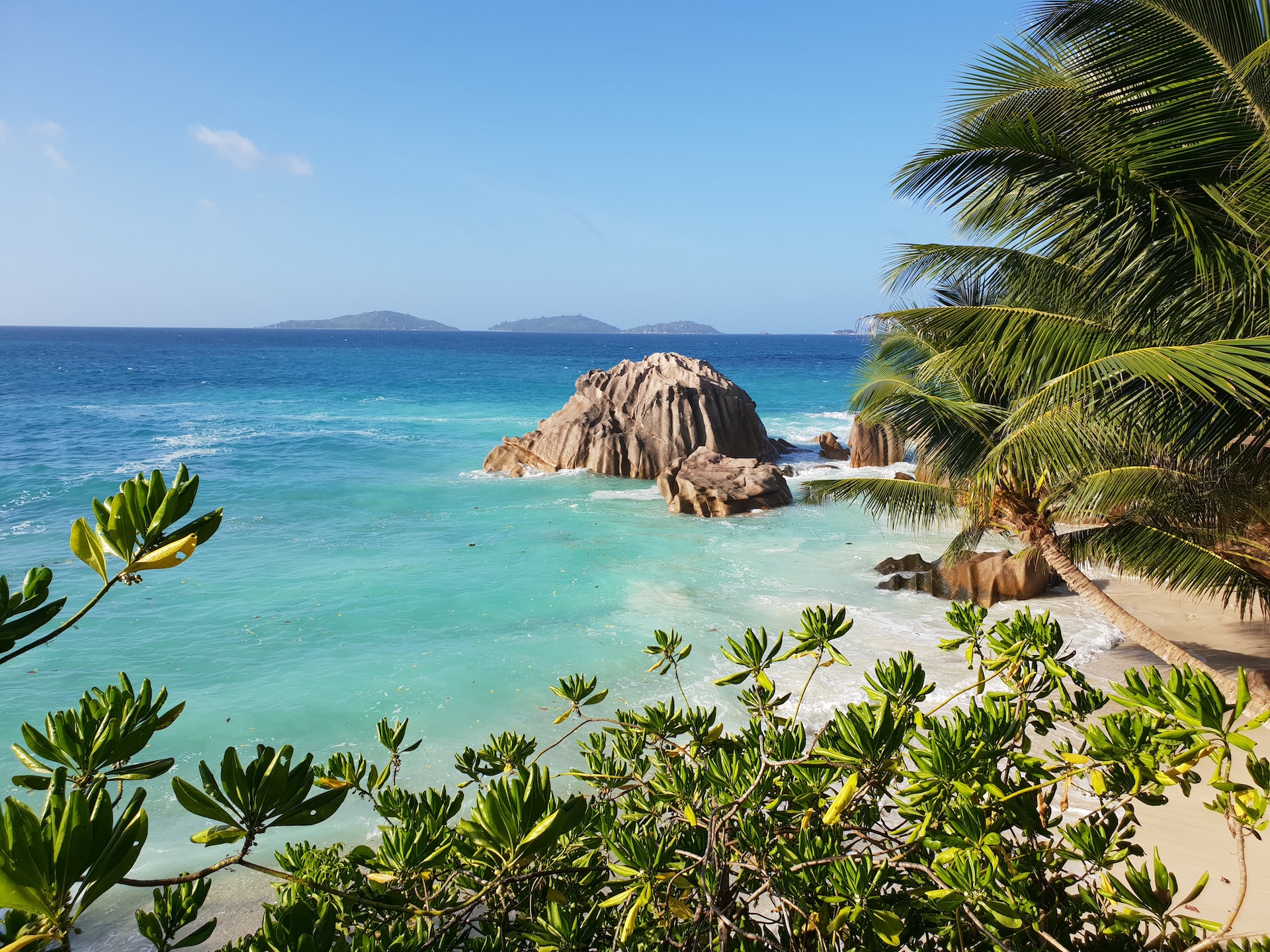
I’d dived in the Maldives, Thailand, and Egypt before I got to Seychelles, and I’ll be honest – I wasn’t expecting anything special. Another Indian Ocean destination with reef fish and turtles. What I found was different. The granite boulders underwater create landscapes you don’t see anywhere else. Huge rock formations covered in soft corals, swim-throughs between house-sized boulders, and visibility that on good days stretches beyond 30 metres. It’s not the Maldives – there’s less big pelagic action – but the topography is genuinely unique.
Seychelles isn’t a budget diving destination. Flights are expensive, accommodation is expensive, and dive trips aren’t cheap either. But if you’re combining diving with a honeymoon or a week on some of the world’s most beautiful beaches, the diving adds another dimension that’s worth the extra cost.
How Diving Here is Different
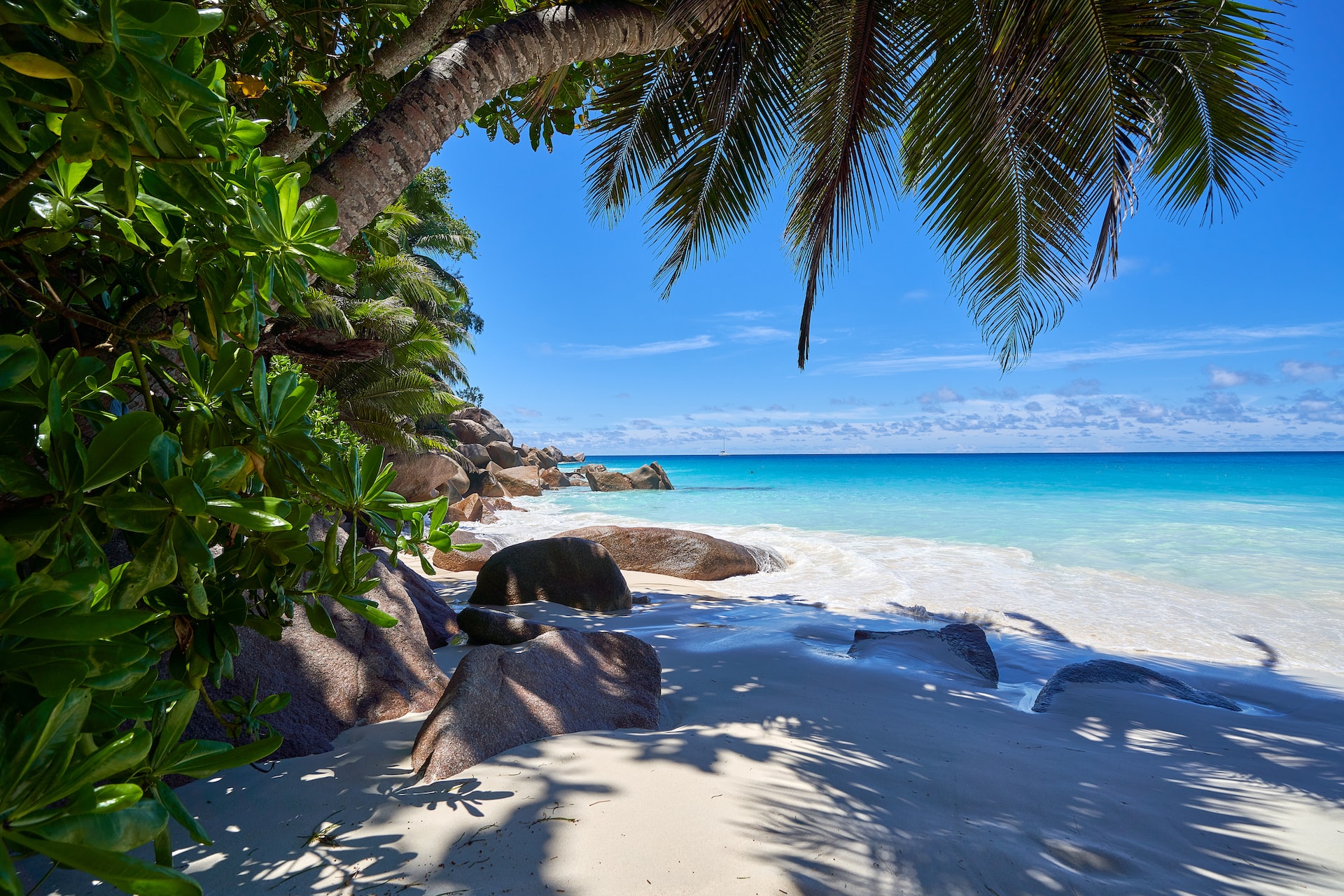
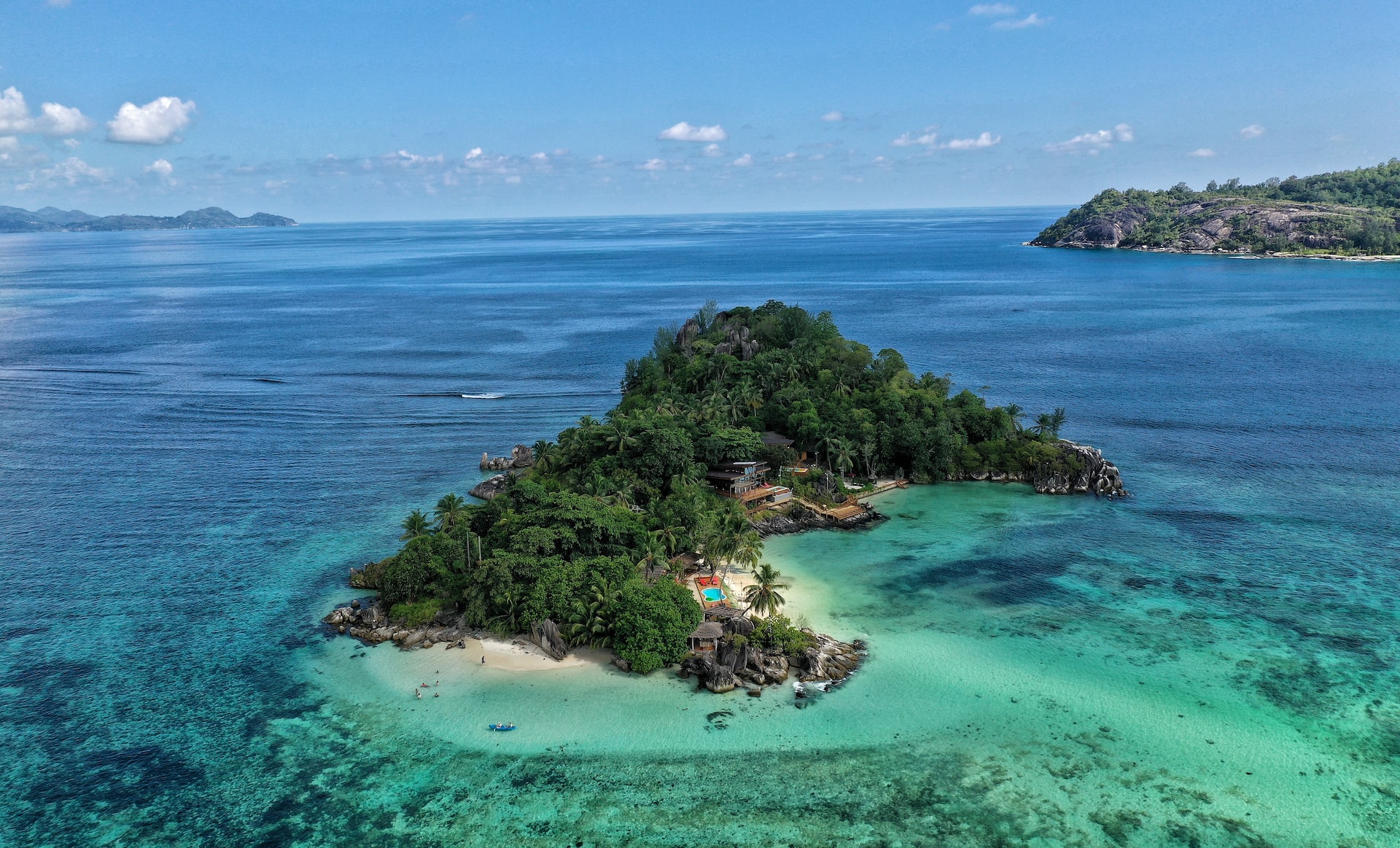
The 115 islands of Seychelles are divided into two groups: the inner granitic islands (Mahé, Praslin, La Digue) and the outer coralline islands. Most diving happens around the inner islands, where the underwater scenery is defined by those granite formations – the same rock you see on the famous beaches, but underwater.
This creates a different experience from typical coral reef diving. You’re navigating around massive boulders, swimming through channels and archways, exploring caves and overhangs. The hard coral coverage isn’t as extensive as the Maldives or Red Sea, but the soft corals – particularly sea fans and whip corals – are healthy, and the granite provides habitat you won’t find elsewhere.
The marine life is typical Indian Ocean: hawksbill and green turtles (very common), reef sharks, eagle rays, barracuda, groupers, and the usual cast of reef fish. Whale sharks appear seasonally, and manta rays are occasional visitors. Don’t expect the pelagic action of places like Komodo or the Galápagos, but for reef diving with exceptional visibility and unique topography, it delivers.
Best Dive Sites
Around Mahé
Shark Bank – The signature dive site, about 8km northwest of Beau Vallon. A granite plateau at 20-30m depth that attracts grey reef sharks, nurse sharks, and occasionally whale sharks during season. Strong currents mean this is for experienced divers, but on a good day you’ll see more sharks here than anywhere else in the inner islands.
L’Îlot – A submerged granite island with excellent swim-throughs and overhangs. Maximum depth around 18m, suitable for all levels. Good for turtles and reef fish, and the topography keeps it interesting even without big marine life.
Brissare Rocks – Two granite pinnacles rising from 25m to just below the surface. The swim-throughs between and around the rocks are spectacular, and the fish life is dense. Visibility here is often better than closer inshore sites.
Baie Ternay Marine National Park – Protected waters on Mahé’s northwest coast. Shallower diving (8-15m) with healthy coral gardens and reliable turtle sightings. Good for beginners and snorkellers.
The Ennerdale Wreck – A British tanker scuttled in 1970, now sitting in 30m of water. The structure is breaking up but still home to large groupers, lionfish, and schooling fish. For advanced divers comfortable with depth.
Around Praslin and La Digue
Aride Island – The diving around this nature reserve island is some of the best in Seychelles. Granite formations, healthy coral, and less boat traffic than Mahé sites. The downside: day trips from Praslin, so limited bottom time.
Ave Maria – Off La Digue, known for its dramatic rock formations and eagle ray sightings. The granite archways here are particularly photogenic.
Channel Rocks – Between Praslin and La Digue, with strong currents that attract bigger fish. Timing the dive with the current is essential.
When to Go
Seychelles has two distinct seasons based on the monsoon winds:
Southeast Monsoon (May-September): Cooler, drier weather. Water temperature 25-27°C. This is the best period for diving on the northwest coasts of the islands. Visibility often exceeds 30m. Whale sharks are more likely to appear, particularly around Shark Bank. The downside: rougher seas, and southeast-facing sites can be inaccessible.
Northwest Monsoon (October-April): Warmer, wetter weather with occasional storms. Water temperature 28-30°C. Southeast coast sites become accessible. Visibility drops to 15-20m on average due to plankton blooms. The upside: the plankton attracts mantas.
Transition periods (April-May, October-November): Calm seas, variable conditions. Often excellent diving as the currents settle between seasons.
The short answer: May to September for the best visibility and whale shark chances, but you can dive year-round with proper site selection.
Costs
Diving in Seychelles isn’t cheap. Expect to pay:
| Service | Price Range |
|---|---|
| Single dive (with gear) | €70-90 |
| Two-dive trip | €120-150 |
| PADI Open Water course | €450-550 |
| 10-dive package | €550-700 |
| Snorkel trip | €40-60 |
Prices are comparable to the Maldives and significantly higher than Southeast Asia or Egypt. Most dive centres are PADI-affiliated, with a few SSI operations. Equipment is generally well-maintained – the premium pricing means operators invest in kit.
Some resorts include diving in packages, which can work out cheaper than booking separately. Worth checking if you’re planning multiple dives.
Where to Base Yourself
Mahé
Most dive operators are based around Beau Vallon on the northwest coast. This is the most practical base: easy access to dive boats, plenty of accommodation options from budget to luxury, and the island’s main facilities. Victoria, the capital, is a 15-minute drive away.
The dive sites around Mahé are the most varied, including the best shark diving at Shark Bank. If diving is your main focus, stay on Mahé.
Praslin
Smaller, quieter, and closer to some excellent sites. Fewer operators than Mahé, but the ones here know the local sites well. Good choice if you want to combine diving with visiting the Vallée de Mai (the famous coco de mer forest) and Anse Lazio beach.
La Digue
The smallest and most laid-back of the main islands. Very limited dive operations – most people day-trip from Praslin. Unless you’re specifically after the relaxed vibe, Mahé or Praslin are better for diving-focused trips.
Practical Tips
Bring your own mask and computer. Rental gear is fine, but your own mask that fits properly makes a big difference to comfort. A dive computer lets you manage your own profile rather than following the guide’s generic plan.
Book ahead in peak season. July-August sees the most visitors. Dive boats fill up, especially for Shark Bank trips.
Don’t underestimate the currents. Several sites have strong currents that can catch you off guard. Be honest about your experience level when booking.
Combine with snorkelling. If you’re travelling with non-divers, the snorkelling at places like Baie Ternay and Anse Lazio is excellent. They won’t feel left out.
Consider a liveaboard. A few operators run trips to the outer islands (Aldabra, Alphonse) for serious diving expeditions. These are expensive and require planning, but the remote sites are spectacular.
Getting There
Seychelles International Airport is on Mahé, with direct flights from Dubai (Emirates, 4.5 hours), Doha (Qatar Airways, 4.5 hours), and several European cities. From the UK, most routes connect through the Gulf. Flight time from London with a connection is typically 12-14 hours — long enough that a good travel pillow is worth the packing space.
Inter-island travel is by small plane (15 minutes Mahé to Praslin) or ferry (1 hour, rougher in monsoon season). Book the ferry in advance during peak season – it sells out.
Is It Worth It?
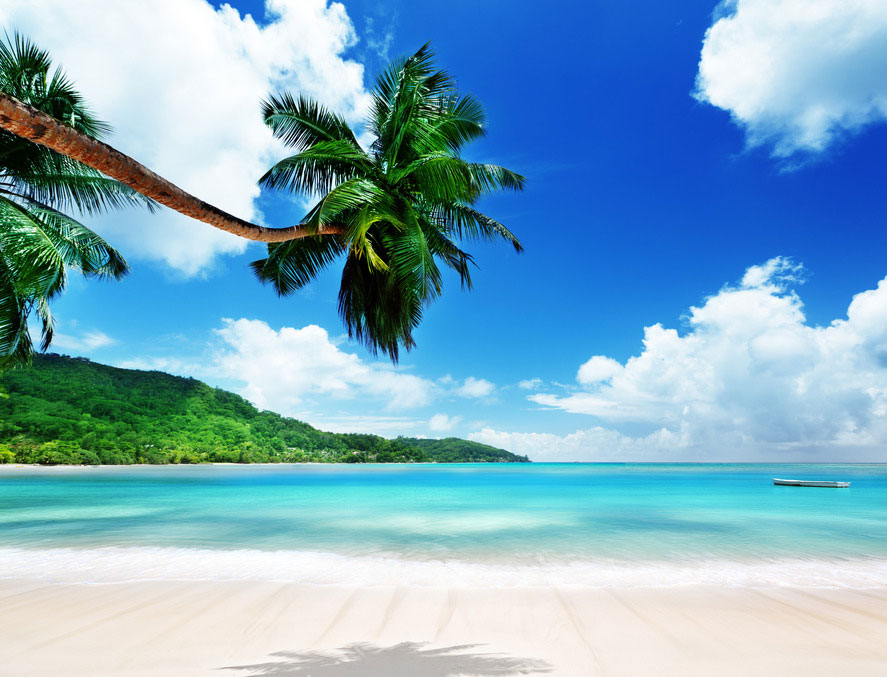
If you’re already planning a trip to Seychelles for the beaches – and they’re genuinely some of the best in the world – adding diving makes sense. The underwater scenery is unique, visibility is excellent, and the infrastructure is reliable.
As a dedicated dive trip? That depends on your priorities. For the money, you could get more diving in Egypt or Indonesia, and more big marine life in the Maldives or Galápagos. Seychelles sits in a middle ground: world-class topography and conditions, but not the volume of marine life that defines the top-tier dive destinations.
For me, the combination worked. Great beaches, interesting diving, and enough above-water activities to keep non-diving travel companions happy. Just don’t expect it to be cheap.
Frequently Asked Questions
When is the best time to dive in Seychelles?
May to September (southeast monsoon) offers the best diving conditions with visibility often exceeding 30 metres, cooler water (25-27°C), and whale shark sightings. October-April (northwest monsoon) has warmer water (28-30°C) but reduced visibility due to plankton blooms, though this attracts mantas.
How much does diving cost in Seychelles?
Expect to pay €70-90 for a single dive with gear, €120-150 for a two-dive trip, and €550-700 for a 10-dive package. Prices are comparable to the Maldives and significantly higher than Southeast Asia or Egypt.
Where should I base myself for diving in Seychelles?
Mahé (specifically Beau Vallon) is the most practical base with the most dive operators, varied dive sites including Shark Bank, and easy access to facilities. Praslin is smaller and quieter with fewer operators but good access to sites around Aride Island.
What makes Seychelles diving different from other destinations?
Seychelles features unique underwater granite boulder formations creating dramatic landscapes with swim-throughs, channels, and archways. The topography is genuinely unique compared to typical coral reef diving found in the Maldives or Red Sea.
What marine life can I expect to see diving in Seychelles?
Common sightings include hawksbill and green turtles, reef sharks, eagle rays, barracuda, groupers, and typical Indian Ocean reef fish. Whale sharks appear seasonally (May-September), and manta rays are occasional visitors.
Is diving in Seychelles worth the cost?
If you’re already planning a trip to Seychelles for the world-class beaches, adding diving makes sense. The underwater scenery is unique with excellent visibility and reliable infrastructure. As a dedicated dive trip, it’s expensive compared to Egypt or Indonesia but offers exceptional topography and conditions.