South Korea Holidays: Seoul & Travel Guide
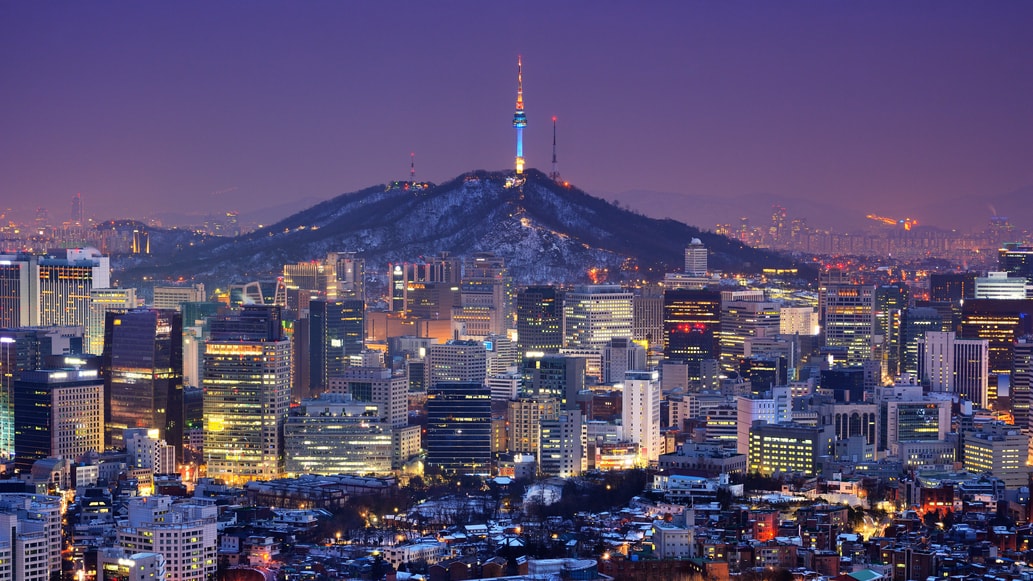
South Korea holidays tend to surprise people who expect a smaller, quieter version of Japan. The country has its own personality: louder, busier, and with a food culture that holds its own anywhere in Asia. Two weeks is enough to travel from Seoul down to Busan, with stops at Gyeongju on the way and a flight out to Jeju if you have time.
Ancient palaces sit beneath skyscrapers, and Buddhist monks in grey robes share subway carriages with teenagers dressed in the latest K-pop fashion. Korea takes its traditions seriously and has thrown itself into technology and pop culture with the same energy.
Seoul
The capital has about 9.6 million people in the city proper, spread along the Han River and ringed by mountains. The density and the neon can be a lot at first, but each neighbourhood has its own character, and the mix of historic sites, food and late-night energy makes Seoul one of Asia’s most interesting cities.
Gyeongbokgung Palace
Built in 1395 as the main royal palace of the Joseon Dynasty. It burned in 1592 during the Japanese invasions and was largely dismantled under Japanese colonial rule, so most of what you see today is reconstruction. The scale and the detail are still impressive.
The royal guard changing ceremony, a costumed re-enactment, runs at 10am and 2pm at the main gate and is free to watch. The palace is closed on Tuesdays, so there is no ceremony then. The National Folk Museum sits in the eastern part of the grounds, though it is due to move to Sejong City, so check it is open before you go.
Entry is ₩3,000 (about £1.80). Anyone wearing a hanbok (traditional Korean dress) gets in free, at this and Seoul’s other royal palaces, and rental shops line the streets nearby.
Bukchon Hanok Village
A neighbourhood of traditional Korean houses (hanok) between Gyeongbokgung and Changdeokgung palaces. The narrow lanes climb the hillside past wooden houses with curved tile roofs and small courtyards, with city views from the higher streets.
People live here, so keep the noise down and respect their privacy. Overtourism has led to rules: since March 2025 the central “red zone” is closed to tourists from 5pm to 10am, with a ₩100,000 fine for anyone caught inside during those hours. Arrive soon after 10am for the quietest lanes. Many hanok have been turned into guesthouses, cafés and craft shops, and guests staying there are exempt from the curfew.
Changdeokgung Palace and Secret Garden
The best-preserved of Seoul’s palaces and a UNESCO World Heritage Site. The Secret Garden (Huwon) behind it is the highlight: woodland, pavilions and lotus ponds that served as the royal retreat. You can only see the garden on a guided tour, and each session is capped at around 100 people.
Palace entry is ₩3,000 (£1.80) and the Secret Garden tour costs an extra ₩5,000 (£3). English-language sessions sell out, especially in autumn and at weekends, so book online.
Neighbourhoods
Myeongdong is the main shopping district, packed with Korean cosmetics shops, fashion chains and street food stalls. It is commercial, but good for people-watching and snacking.
Hongdae, the university district, is young and creative, with indie shops, buskers, live music venues and nightlife that runs until dawn. Most of Seoul’s arts and music scene is here.
Itaewon grew up around the nearby US military base and is now a mix of international restaurants, bars and clubs. Come here if you are craving Western food.
Insadong has traditional crafts, tea houses and art galleries, and it is the best area for souvenirs that are not mass-produced.
Gangnam, south of the river, is the wealthy district the song made famous. It is modern and expensive, and there is less for visitors here than north of the Han.
N Seoul Tower
The broadcast tower on Namsan Mountain has observation decks looking across the city, and on clear days you can see the mountains around the basin. The cable car up costs roughly ₩11,000–12,000 one way (prices vary by source, so check at the ticket desk). Walking up through the park is free.
Couples attach padlocks with their names to the fences around the tower. It’s tacky but photogenic.
DMZ Tours
The Demilitarized Zone separating North and South Korea is close enough to Seoul for a day trip. Tours to the Joint Security Area at Panmunjom, with its blue UN conference buildings on the border, have been suspended for ordinary visitors since July 2023, when a US soldier crossed into the North during a tour. The UN Command has since allowed only special tours for VIPs.
Day tours still run to other sites. These include the Third Infiltration Tunnel, which North Korea dug under the border, Dorasan station and Imjingak, which is as close as you can get without security clearance. Areas inside the Civilian Control Line need a guided tour and your passport, and schedules change at short notice, so book through an authorised operator and check what your tour actually includes.
Busan
South Korea’s second city sits on the southeast coast, with beaches, mountains and a grittier feel than Seoul. It sprawls around several bays and harbours, with apartment towers behind the beaches and temples on the hillsides.
The KTX high-speed train from Seoul takes about 2.5 hours.
Haeundae Beach
The most famous beach in Korea, a wide stretch of sand backed by high-rise hotels. People come for the atmosphere more than the sand: families, couples, food stalls and summer festivals. It is crowded in July and August.
Haedong Yonggungsa Temple sits on the cliffs northeast of Haeundae. Most Korean temples are in the mountains, but this one is right above the sea, and it is worth the trip for the setting alone. Go at sunrise if you can.
Gamcheon Culture Village
A hillside neighbourhood of pastel-painted houses, narrow stairways and public art. It began as housing for refugees during the Korean War and is now an open-air gallery of murals, sculptures and small cafés, with views across the harbour.
Pick up a trail map at the entrance, follow it through the alleys and stop for a coffee on the way. Allow two to three hours.
Jagalchi Fish Market
Often described as Korea’s largest fish market. Live fish sit in tanks on the ground floor, and the usual routine is to choose what you want, agree a price, and have it prepared at a restaurant upstairs for a cooking fee.
The raw fish (hoe) is the thing to order. If you try live octopus (sannakji), which still moves on the plate, chew it thoroughly, because the suckers can stick in your throat.
Beomeosa Temple
A hillside temple on the slopes of Geumjeongsan Mountain and one of Korea’s most important Zen temples. You can hike further into the mountains from the temple or simply walk around the grounds.
Beyond the Cities
Gyeongju
The ancient capital of the Silla Kingdom, often called “the museum without walls”. The city and the country around it hold royal tombs, temple ruins and UNESCO-listed sites.
Bulguksa Temple was completed in 774 AD, and its stone bridges, pagodas and main hall are among the best Buddhist architecture in Korea. It shares a UNESCO listing with Seokguram Grotto, a hilltop cave temple with a large stone Buddha in a domed chamber, reached by bus from Bulguksa.
Tumuli Park, in the centre of town, is a field of grass-covered burial mounds of Silla kings and queens. One excavated tomb is open so you can see inside.
Gyeongju works as a day trip from Busan. The KTX takes about 30 minutes, but it stops at Singyeongju station outside town, so allow extra time for a bus or taxi into the centre. Staying overnight is better.
Jeju Island
A volcanic island off the south coast, popular with Korean holidaymakers and honeymooners for its beaches and hiking. Hallasan, the volcano at its centre, is South Korea’s highest point at 1,947m and makes a long day hike. The coast has lava formations, waterfalls and beaches.
Flights from Seoul take about an hour and can be cheap if you book ahead. The island is big enough that you need a hire car or several days.
Korean Food
The food alone is a reason to go. Korean cooking is bold, fermented and spicy, and far more varied than the Korean BBQ restaurants abroad suggest.
What to Eat
Korean BBQ: you grill pork belly, beef ribs or marinated chicken at the table, then wrap it in lettuce with garlic, chilli paste and pickles.
Kimchi: fermented vegetables served with every meal. Cabbage is the classic, but there are radish and cucumber versions too, and every family has its own recipe.
Bibimbap: rice topped with vegetables, meat, egg and chilli paste, mixed before eating. Order dolsot bibimbap, served in a hot stone bowl, for crispy rice at the bottom.
Jjigae: stews served bubbling hot. Kimchi jjigae, doenjang jjigae (soybean paste) and budae jjigae (army stew with hot dogs and Spam, which dates from the Korean War) are the common ones.
Fried chicken: crispy, often coated in a sweet-spicy sauce, and served with pickled radish and beer, a pairing Koreans call “chimaek”. Chains like Kyochon and BBQ are everywhere.
Street food: tteokbokki (chewy rice cakes in spicy sauce), hotteok (sweet filled pancakes), mandu (dumplings) and odeng (fish cake skewers) from stalls and markets.
Convenience store food: CU, GS25 and 7-Eleven sell decent kimbap (rice rolls), triangle rice balls and instant noodles, with hot water stations to make them up.
Drinking
Soju is Korea’s national drink, a cheap clear spirit that is on every table and behind plenty of hangovers. Pour for others, never for yourself.
Makgeolli is a milky rice wine, slightly sweet and fizzy.
Craft beer has taken off, and Seoul has plenty of breweries and beer bars.
Practical Information
Getting Around
KTX: high-speed trains link Seoul with Busan, Gyeongju and other cities. Book through Korail (letskorail.com) or at stations.
Subway: Seoul’s metro is extensive, cheap and well signed in English. The base fare is ₩1,550 (about 90p) with a transport card, rising with distance. Buy a T-money card (rechargeable, works on all transport) at stations or convenience stores.
Buses: express intercity buses connect all the cities, run often and are usually cheaper than the train.
Taxis: metered. Kakao’s taxi app is the easiest way to book one.
When to Visit
April to May: spring, cherry blossoms and pleasant temperatures. Peak season.
September to November: autumn colours and mild weather. The best time for hiking.
June to August: hot and humid, with monsoon rain in July and summer holiday crowds.
December to February: cold, especially in the north. Good for skiing, and the cities are quieter.
Costs
Korea is mid-range for Asia: more expensive than Southeast Asia, and cheaper than Japan. These are rough guides, so check current prices when you book.
- Hostel dorm: ₩20,000-35,000 (£12-21) per night
- Budget hotel: ₩60,000-100,000 (£36-60) per night
- Mid-range hotel: ₩120,000-200,000 (£72-120) per night
- Restaurant meal: ₩10,000-15,000 (£6-9)
- Street food: ₩5,000-8,000 (£3-5)
- Coffee: ₩4,500-6,500 (£2.70-4)
- Beer at bar: ₩5,000-8,000 (£3-5)
- Seoul metro single: from ₩1,550 (about 90p)
- Seoul to Busan KTX: from ₩59,800 (£36)
Visas
UK citizens can visit visa-free for up to 90 days for tourism and need an onward or return ticket. They are also exempt from Korea’s electronic travel authorisation (K-ETA) until 31 December 2026. For a tourist visit, your passport only needs to be valid until the day you leave. Other nationalities should check the rules for their own passport.
Language
Korean. English is limited outside tourist areas and among older people. Hangul, the Korean alphabet, is logical and can be learned in a few hours, which helps a lot with menus and signs.
Power
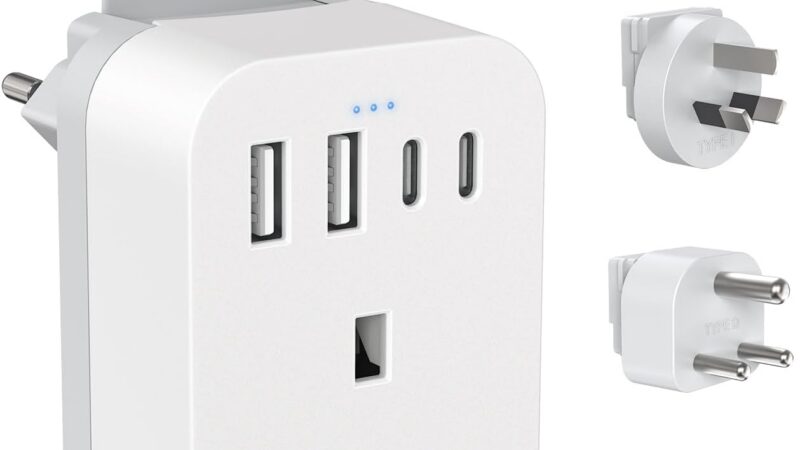
South Korea uses Type C and F plugs (two round pins) at 220V. UK visitors need a travel adapter.
Frequently Asked Questions
Do I need a visa to visit South Korea?
UK citizens can stay visa-free for up to 90 days as tourists and are exempt from the K-ETA until 31 December 2026. Your passport needs to be valid for the whole stay, and you should carry proof of an onward or return journey. Other nationalities should check their own rules.
What is the best time to visit South Korea?
April to May, for cherry blossoms, and September to November, for autumn colours. Both have mild temperatures that suit hiking and sightseeing.
What currency does South Korea use and can I use credit cards?
South Korea uses the Korean won (KRW/₩). Cards are widely accepted in cities, but carry some cash for street food and small places. ATMs are easy to find.
What type of power plugs does South Korea use?
Type C and F plugs (two round pins) at 220V. UK visitors need a travel adapter.
How much does it cost to travel in South Korea?
Roughly £12-21 a night for a hostel dorm, £6-9 for a restaurant meal and £3-5 for street food. A KTX ticket from Seoul to Busan starts at around £36.
Is South Korea safe for tourists?
Yes. Violent crime is rare and public transport is reliable. Busy city traffic is the main thing to watch.