Things to Do in Rio de Janeiro: Brazil Guide
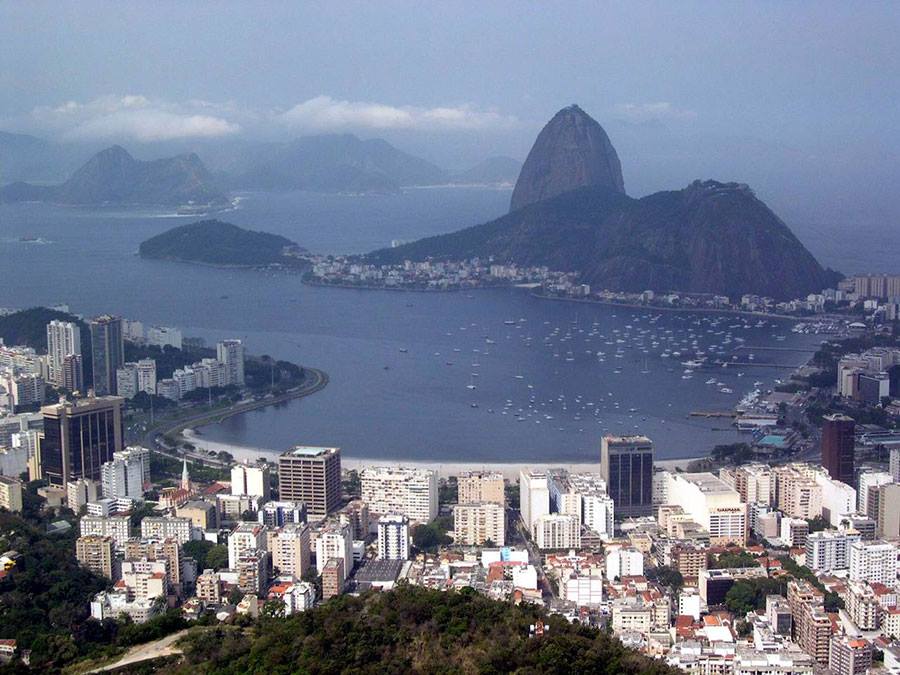
Looking for things to do in Rio de Janeiro? I arrived two days before Carnival began, and the city was already pulsing with energy. Street parties had taken over entire neighbourhoods, the beaches were packed from dawn, and the sound of samba drums seemed to come from everywhere. I spent a week there – climbing Sugarloaf Mountain at sunset, walking the famous black-and-white mosaic promenade of Copacabana, and standing at Christ the Redeemer as the city sprawled below. Rio overwhelms you in the best possible way.
Put on your dancing shoes! The rumba, the samba; all things dance and music come to mind when travelling to Rio de Janeiro, Brazil’s most exciting city. It is also the country’s second largest city, found on the coast of Brazil where it cools down next to the Atlantic Ocean. Famous for the sunny beaches of Ipanema and Copacabana, the statue of Christ the Redeemer atop Mount Corvacado and its colourful nightlife, Rio de Janeiro should be first on the itinerary for Brazil. It has all the charms of a seaside city, with history layered into every corner.
In 1565, it was named after the Portuguese Captain Rio de Janeiro and became a domain of the Portuguese empire. Its old Downtown district was in 2012 named a UNESCO World Heritage Site for its historical and cultural treasures. For these, and for other reasons, it has become one of the most visited cities in the Southern Hemisphere. In 2012, it was named the best beach city in the world. It has also claimed the title of one of the Seven Natural Wonders of the World because of its beautiful harbour which looks almost like the opening of a naturally forming river mouth.
Between December and March, Rio de Janeiro sees its most rain where this city has a wet summer season. Generally, the inland areas are warmer than the coast, where the seaside breeze brings the temperature down. However, the average temperature does not succeed beyond 30 degrees Celsius, so wherever you may be it will generally be pleasant. This is perhaps one of the reasons why it was one of the cities which hosted the 2014 Fifa World Cup and is set to host the 2016 Summer Olympics and Paralympics.
The world’s largest carnival is found here in Rio de Janeiro, where parade floats, flamboyant costumes, loud music and dance takes over the streets. Colourful and fun, no one can miss this annual spectacle which takes place before Lent. The first carnival festival dates back to the 18th century, and it has since grown to about two million people in attendance during the festivities. The dance of the day is the samba, so take a few classes before you arrive so you can join in with the fancy footwork.
If you are a keen surfer or simply enjoy watching such athletes putting their skills to work, take a trip to Prainha beach, where the waves are as they say cooking! There are many upmarket hotels or else sleepy hostels and backpackers, depending on what your budget dictates. If you have always wanted to learn to surf, now is your chance, as there are various informal ‘schools’ which give lessons. If you are more into lazing around under the Southern sun, then grab your costume and a cocktail and head on down to the sandy Copacabana or Ipanema beaches.
There is still lots to do, even if one is not near to the beach in Rio de Janeiro. Travel to the Tijuca forest where there are many hikes under the umbrella of the majestic rainforest. Experience the fauna and flora first hand in this natural tropical beauty. Or take a cable car up to the Sugarloaf Mountain, which is a peak of almost 400 meters above the harbour at the mouth of Guanabara Bay. Soak in the almost aerial and most certainly splendid panoramas of the city and its coastline.
Saving the best for last, is the famous iconic feature of Rio de Janeiro, the statue of Christ the Redeemer which stands at almost 40 meters high and was completed in 1931. In 2007, it was listed as one of the new Seven Wonders of the World for its cultural significance in both Rio and Brazil. From Sugarloaf Mountain, the back of the statue and its surrounding panorama can be seen clearly on a sunny day. It has floodlights that bring it to life at night, particularly spectacular from the urban forest of Tijuca.
As one of the cities that hardly ever sleeps, Rio de Janeiro is a culture shock in all the best ways. Be prepared to party and relax hard!
Frequently Asked Questions
Do I need a visa to visit Rio de Janeiro?
Visa requirements for Brazil vary by nationality. US, Canadian, Australian, and Japanese citizens need a visa to enter Brazil, which can be obtained as an e-visa before travel. UK and EU citizens can enter visa-free for tourism stays up to 90 days. Always check current requirements with the Brazilian consulate as policies change.
When is the best time to visit Rio de Janeiro?
The best time to visit Rio is during the Brazilian summer (December-March) when the weather is hot and beach season is in full swing. Carnival typically occurs in February or early March. For fewer crowds and lower prices, visit during shoulder season (April-May or September-November). Winter (June-August) is cooler but still pleasant, with temperatures around 20-25°C.
What is the currency in Rio and should I bring cash?
Brazil uses the Brazilian Real (BRL). Credit cards are widely accepted in hotels, restaurants, and shops, but it’s wise to carry some cash for street vendors, taxis, and smaller establishments. ATMs are readily available throughout Rio. The US dollar is not commonly accepted, so exchange currency at banks or official exchange offices for better rates.
How much does a trip to Rio de Janeiro cost?
Rio can be expensive by South American standards. Budget travellers can get by on $40-60 USD daily (hostels, street food, public transport). Mid-range visitors should budget $100-150 USD daily for decent hotels and restaurants. Luxury travellers can easily spend $300+ USD daily. Carnival season sees prices increase significantly, sometimes doubling accommodation costs.
Is Rio de Janeiro safe for tourists?
Rio requires awareness and precautions. Tourist areas like Copacabana, Ipanema, and the main attractions are generally safe during daylight hours with visible police presence. Avoid displaying expensive items, don’t walk alone at night in quiet areas, and use registered taxis or Uber. Favelas should only be visited with organized tours. Beach theft is common, so take minimal valuables to the beach and stay alert.
What are the must-see attractions in Rio de Janeiro?
The essential Rio experiences include Christ the Redeemer statue atop Corcovado Mountain, Sugarloaf Mountain cable car ride, the beaches of Copacabana and Ipanema, and if timing allows, Carnival festivities. Also worth visiting are the Selaron Steps, Tijuca Forest for hiking, and a football match at Maracana Stadium. Allow 3-5 days to see the main highlights without rushing.