Best Time to Visit Sri Lanka: Season Guide
Sri Lanka fits a lot into a small island: the rock fortress at Sigiriya, the Temple of the Tooth in Kandy, tea country around Ella, elephant safaris at Uda Walawe and beaches on two coasts. When to go depends on which of those you want, because two monsoons hit different parts of the island at different times of year.
Best Time to Visit Sri Lanka
West and South Coasts (Colombo, Galle, Mirissa): December to April is the driest period. It’s also peak season, so prices are higher and the beaches busier.
East Coast (Trincomalee, Arugam Bay): May to September is best, when the west coast is wet.
Hill Country (Kandy, Ella, Nuwara Eliya): January to April is driest, though rain is possible year-round at altitude.
Cultural Triangle (Sigiriya, Anuradhapura, Polonnaruwa): February to April, after the northeast monsoon ends.
The shoulder months (April to May, October to November) are less predictable but bring lower prices and fewer crowds. If you want both coasts in one trip, these are the months when that works best.
Food
Sri Lankan food is related to Indian cooking but has its own character. Rice and curry is the staple, and “curry” here means a spread of small dishes: dhal, coconut sambal, a few vegetable preparations and often fish or meat, served on a banana leaf or a metal plate.
Must-try dishes:
- Kottu roti: chopped flatbread stir-fried on a griddle with vegetables and egg or meat. Street stalls make it in the evening, and you hear the chopping before you see the stall.
- Hoppers: bowl-shaped rice flour pancakes, often with an egg cooked in the centre.
- Crab curry: a coastal speciality, particularly associated with Jaffna and Negombo.
- String hoppers: steamed nests of rice noodles, usually eaten at breakfast.
- Lamprais: Dutch-influenced rice and curry wrapped in banana leaf and baked.
Coconut, chilli and curry leaves go into most dishes. Vegetarians eat well, because Buddhist influence means plenty of meat-free options.
Where to Go
Sigiriya Rock Fortress
Sigiriya is the best-known sight in the Cultural Triangle: a rock column about 180 metres high, rising straight out of the plains, with the ruins of a 5th-century palace on top. King Kashyapa built his citadel here after seizing the throne and having his father, King Dhatusena, killed. His half-brother Moggallana fled to South India, came back with an army and defeated him in 495 CE.
The climb is around 1,200 steps. Partway up, the Sigiriya Maidens frescoes survive in a sheltered pocket of the rock face. Near the top, two huge stone lion paws flank the final staircase; the lion’s head that once sat above them has collapsed.
Visiting: Get there at opening time (7am in most guides) to beat the heat and the tour groups. Allow 1.5 to 2 hours for the climb, and bring water and sun protection.
Entry: Foreign adults pay in US dollars. Recent guides quote between USD 30 and 36, so check the current rate with the Central Cultural Fund or at the ticket office before you go.
Kandy and the Temple of the Tooth
Kandy sits in the hill country around an artificial lake ringed by forested hills. The Temple of the Tooth (Sri Dalada Maligawa) holds what Buddhists revere as a tooth relic of the Buddha. The temple holds three services a day, starting at 5:30am, 9:30am and 6:30pm, and is open from 5:30am to 8pm.
Temple entry: The temple’s own site lists LKR 3,000 for most foreign visitors (LKR 2,500 for SAARC countries, Thailand and Myanmar). The ticket also covers the temple’s museums. Shorts and sleeveless tops aren’t allowed.
The Royal Botanic Gardens at Peradeniya, just outside Kandy, cover about 59 hectares, with an orchid house, spice plants and a Royal Palm Avenue. Plan two to three hours.
Galle Fort
The Portuguese built the first fort at Galle in the 16th century, and the Dutch, who took it in 1640, rebuilt it with the coral and granite ramparts that still surround the peninsula. It’s a UNESCO World Heritage Site and often described as the best example of a fortified city built by Europeans in South and South-East Asia. Inside the walls is a working town of hotels, cafés, galleries and shops in Dutch-era buildings. The ramparts are the place to be at sunset, with cricket on the pitch below and ships on the horizon.
The fort is small enough to explore on foot. Staying overnight lets you see it after the day-trippers leave.
Ella
Ella is a small hill town among tea plantations, popular with backpackers. The main draws are the hikes up Little Adam’s Peak and Ella Rock, and the Nine Arch Bridge, a colonial-era viaduct with trains crossing it several times a day.
The train from Kandy to Ella is one of Sri Lanka’s best-known rail journeys, running through tea country, past waterfalls and along mountain ridges. Timetabled journeys take roughly 6 to 8.5 hours depending on the train. For views, rail guide Seat61 recommends the 1st class observation car if you can get a seat, and otherwise 2nd class reserved on one of the blue trains, which has opening windows.
Train: Reserved seats can be booked up to 30 days ahead; unreserved tickets are sold at the station on the day. The Colombo to Kandy to Badulla line was still partly out of action in 2026 after cyclone damage in 2025, so check the current service with Sri Lanka Railways before planning around it.
Uda Walawe National Park
Uda Walawe is the park to choose if elephants are the priority. Around 250 elephants are thought to live there permanently, drawn by the Udawalawe reservoir, alongside water buffalo, mugger crocodiles and more than 180 bird species.
Safari jeeps leave from the park entrance. Early morning and late afternoon drives give the best chance of sightings.
Entry: You pay a park entry fee plus the cost of the jeep and driver. Fees are revised periodically and quotes vary widely, so confirm the total with your safari operator before you book.
Adam’s Peak (Sri Pada)
Pilgrims of several faiths climb this sacred mountain. Buddhists believe the footprint at the summit is the Buddha’s, Hindus attribute it to Shiva, and some Muslims and Christians to Adam. The pilgrimage season runs from December to May, with April the busiest month. Outside the season, rain, wind and mist make the climb hard.
The most popular route starts at Nallathanni, at the foot of the mountain. Most climbers set off in the early hours to reach the summit for sunrise. It’s thousands of steps and several hours up: hard work, but manageable if you’re reasonably fit.
Beaches
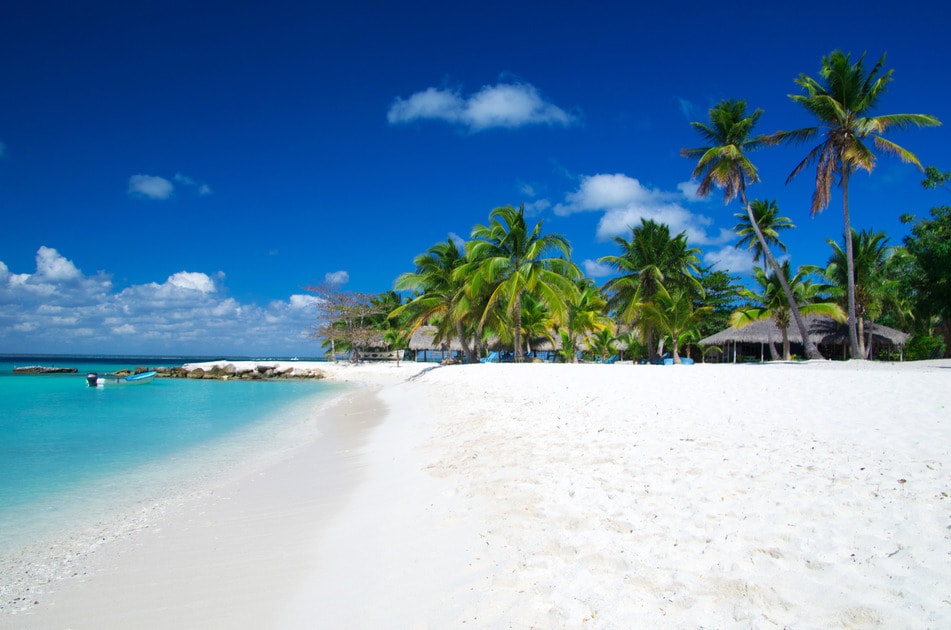
South Coast: Mirissa and Unawatuna have palm-lined beaches, surf breaks and, from roughly November to April, whale watching. Tangalle is quieter, with longer stretches of sand.
East Coast: Arugam Bay is the island’s best-known surf spot, with its season running roughly May to October. Trincomalee has calmer water for swimming.
Practical Information
Visa: You need an Electronic Travel Authorization (ETA) before you travel, applied for at eta.gov.lk. British citizens get a free 30-day tourist ETA; the UK is one of 40 countries whose fee was waived from 25 May 2026. Other nationalities should check the fee on the ETA site. Stays beyond 30 days need an extension from the Department of Immigration and Emigration.
Getting around: Trains are slow, scenic and cheap. Buses reach almost everywhere but get crowded. Hiring a car with a driver costs more but gives you the most flexibility. Tuk-tuks cover short distances; agree the fare before you set off.
Costs: Food, local transport and guesthouses are inexpensive by UK standards. The big costs are entry fees at the major sites, which are charged in US dollars or at higher foreigner rates, and safari jeep hire.
Health: Check the latest vaccine advice on TravelHealthPro at least eight weeks before you travel; hepatitis A and typhoid are commonly recommended. Dengue and chikungunya are spread by mosquitoes, so pack repellent. Drink bottled, filtered or boiled water rather than tap water. Medical care outside the main cities is limited, so take out comprehensive travel insurance.
Currency: Sri Lankan Rupee (LKR). There are ATMs in the main towns and cities, but not all of them accept international cards. Hotels and larger restaurants take cards; carry cash for smaller places, tuk-tuks and entry fees.
Frequently Asked Questions
When is the best time to visit Sri Lanka?
It depends on the region. The west and south coasts (Colombo, Galle, Mirissa) are driest from December to April. The east coast (Arugam Bay, Trincomalee) is best from May to September. The hill country is driest from January to April, though rain is possible all year.
Do I need a visa for Sri Lanka?
Yes. You need an Electronic Travel Authorization (ETA), applied for online at eta.gov.lk before you arrive. It’s valid for 30 days. Since 25 May 2026 the tourist ETA has been free for British citizens and nationals of 39 other countries; other nationalities pay a fee.
What currency does Sri Lanka use?
The Sri Lankan Rupee (LKR). ATMs are common in towns and cities, though not all accept international cards, and hotels and larger restaurants take cards. Carry cash for smaller places, tuk-tuks and entry fees.
What are the must-try foods in Sri Lanka?
Rice and curry (a spread of small dishes served together), kottu roti, hoppers, crab curry and string hoppers. Expect plenty of coconut, chilli and curry leaves.
How much does it cost to travel in Sri Lanka?
Day-to-day costs are low by UK standards: local food, buses, trains and guesthouses are all inexpensive. Budget separately for entry fees at the big sites, such as Sigiriya and the Temple of the Tooth, and for safari jeep hire.
Is the water safe to drink in Sri Lanka?
Drink bottled, filtered or boiled water rather than tap water. For vaccines, check TravelHealthPro at least eight weeks before you travel.