Suitcase Sets Buying Guide: What to Look For
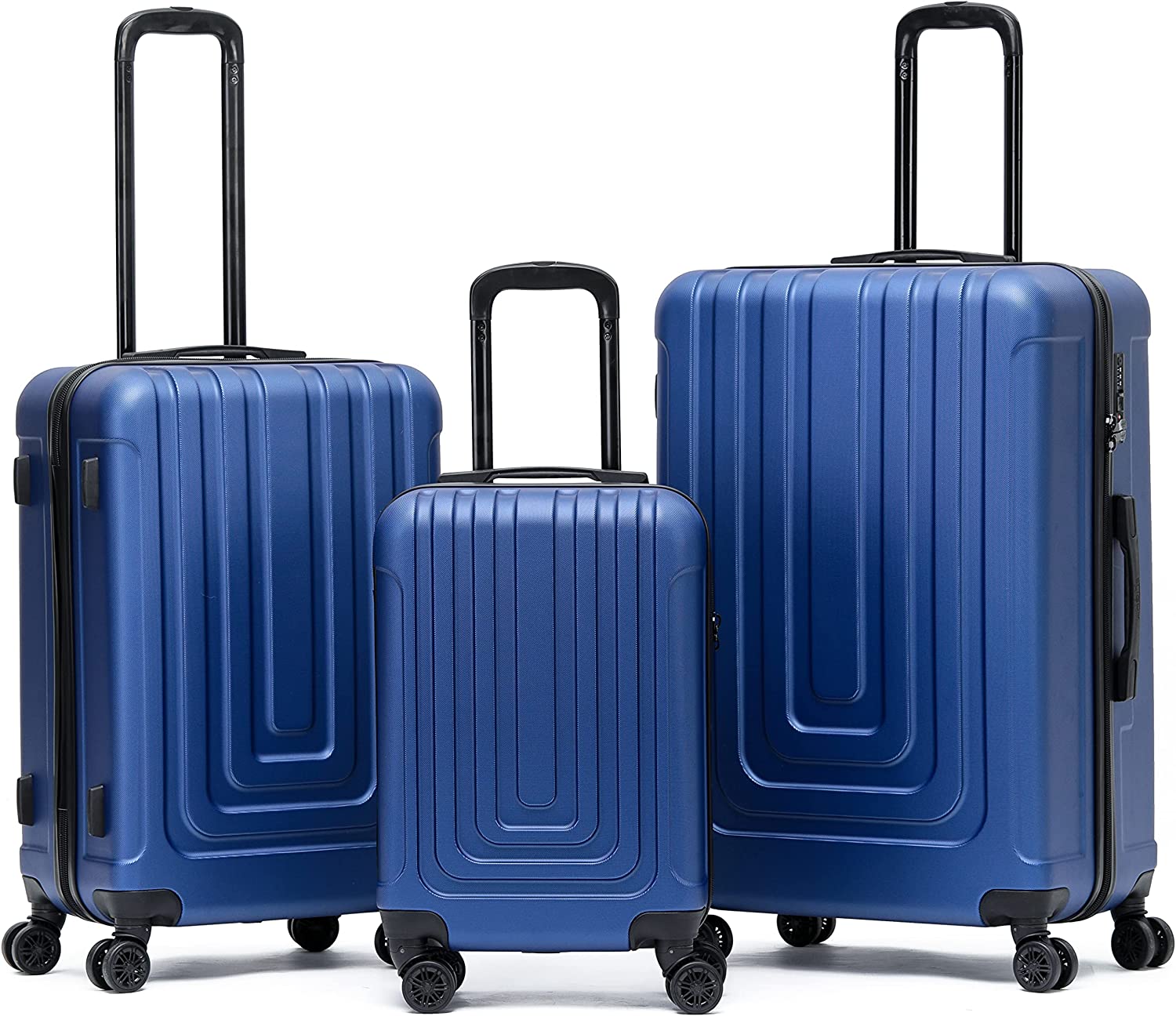
A three-piece set often costs less than buying the cabin bag and one checked case separately. That looks like a bargain, but it only saves money if you use all three. A large case that sits in the loft, or one so heavy empty that it pushes you over your checked allowance once packed, is money spent on nothing.
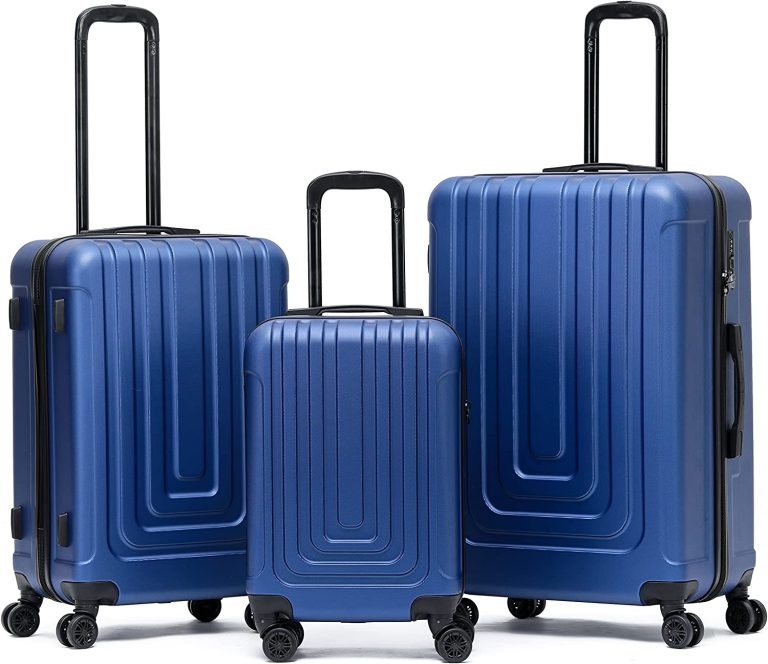
Sets do make sense for some travellers. If you’re starting from scratch and know you’ll use more than one size, buying together usually costs less per piece. Work out which sizes you need before a matching set talks you into more luggage than you’ll use.
When a Luggage Set Makes Sense
Buy a set if:
- You’re replacing all your luggage at once
- You travel with a partner or family and need several bags
- You take both short and long trips and use different sizes
- You like matching luggage (it’s easier to spot on the carousel)
- The per-piece price is clearly lower than buying the same cases individually
Skip the set if:
- You only need one or two sizes
- You want to choose each piece for its own features
- Your current luggage still works
- Storage space is tight (hard cases nest, but a set still takes up a cupboard)
What to Look For
Weight
Whatever the case weighs empty comes out of your allowance. A 5kg suitcase leaves 5kg less for clothes, which people tend to notice at the check-in desk.
Target weights:
- Cabin bags: under 2.5kg
- Medium cases: under 3.5kg
- Large cases: under 4.5kg
Budget sets often miss these, because heavier frames and thicker plastic are the cheap way to make a case feel solid.
Material
ABS plastic: cheap and light but brittle, so it can crack under impact. Fine for occasional use.
Polycarbonate: lighter and more flexible than ABS. It tends to dent rather than crack, which suits frequent travel.
ABS/polycarbonate blend: common in mid-range sets, at a price between the two.
Nylon/polyester (softside): flexible, often with external pockets. It protects the contents less and isn’t water-resistant.
Wheels
4-wheel (spinner): rolls in any direction and is easier to steer. Takes a little more room in storage.
2-wheel (roller): only rolls forward and back, but copes better with kerbs and cobbles.
Most travellers find spinners more convenient. Look for wheels with ball bearings, which spin more smoothly and last longer than cheap single-bearing wheels.
Zips and Handles
Zips usually fail before the shell does. Look for:
- YKK or other branded zips (cheap zips snag and break)
- Double zips on expandable sections
- Smooth running when new, since it only gets worse
The handle should lock firmly at more than one height. Test it in the shop if you can, because cheap handles collapse under load.
Locks
TSA-approved locks let US security open your bag without cutting the lock. They’re worth having if you travel to the US, and most modern sets include them.
Expandable
A zip that adds a few centimetres of depth helps on the way home, when you’re carrying gifts. It’s useful but not essential.
Typical Set Configurations
3-piece set (cabin + medium + large):
The most common setup. It suits families, or anyone who really does use all three sizes.
2-piece set (cabin + large):
Good for couples or solo travellers who want one carry-on and one hold case.
4-piece set (cabin + medium + large + vanity case):
The vanity case adds cost, and few people use it.
Size Guide
| Size | Typical Dimensions | Use Case |
|---|---|---|
| Cabin | 55 x 40 x 20cm | Weekend trips, carry-on only |
| Medium | 65 x 45 x 25cm | 1-2 week trips |
| Large | 75 x 50 x 30cm | Extended trips, family packing |
Check airline limits: cabin bag sizes vary. Ryanair Priority, TUI and Vueling cap the overhead bag at 55 x 40 x 20 cm, while British Airways, easyJet and Jet2 allow up to 56 x 45 x 25 cm. A set’s cabin case is not always the size your airline needs, so check the listed depth before you buy.
Budget vs Premium
The price bands below are rough guides for a full set.
Budget Sets (roughly £60-150)
Brands: Aerolite, Kono, 5 Cities, VonHaus
Pros: affordable, fine for occasional use
Cons: often heavier, with cheaper wheels and zips and a shorter life
Good for: occasional travellers, a first set, tight budgets
Mid-Range Sets (roughly £150-350)
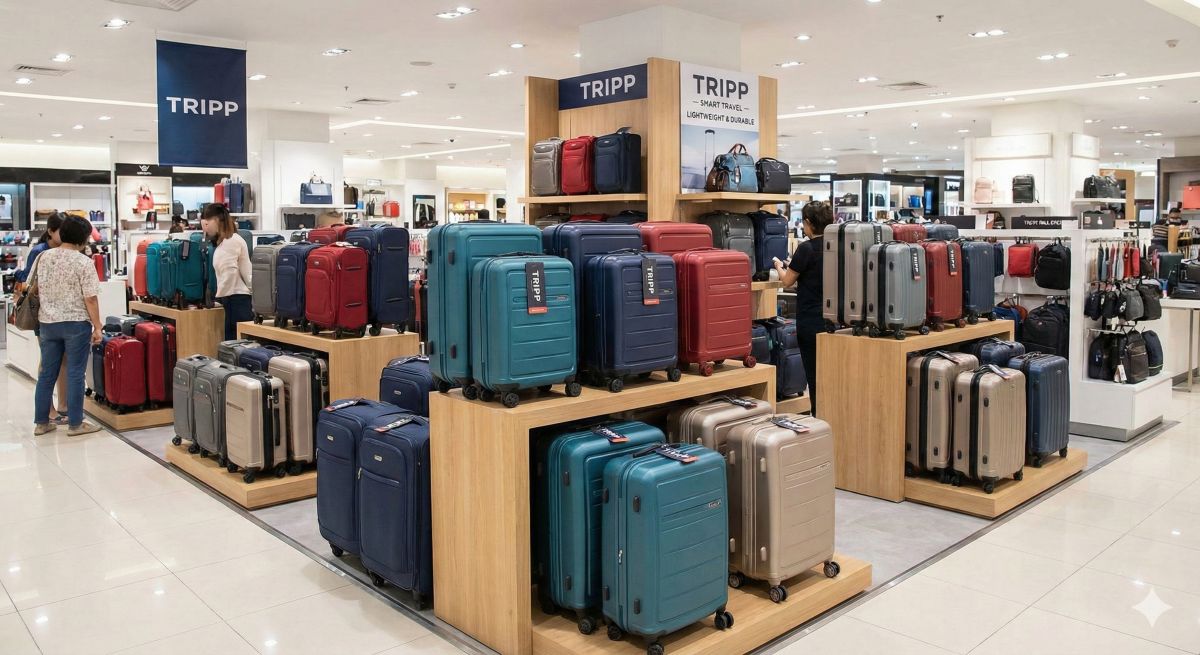
Brands: American Tourister, Tripp, IT Luggage, Rock
Pros: better build, lighter materials, longer guarantees
Cons: cost more upfront
Good for: regular travellers taking 2-4 trips a year
Premium Sets (£350+)
Brands: Samsonite, Delsey, Briggs & Riley
Pros: durable, lighter, with the best guarantees (Briggs & Riley repairs its bags free for life, even when an airline caused the damage)
Cons: expensive
Good for: frequent and business travellers
Which to Buy
Most people do better buying one good cabin bag and adding other sizes when they need them. A well-made carry-on covers most short trips, and you can add a medium case later if longer trips call for one.
If you do buy a set, check these in order:
- Weight (read the specs)
- Wheels (ball bearings, not single bearings)
- Zips (YKK or equivalent)
- Guarantee length
Three well-made cases that don’t match will serve you better than a matching set of poor ones.
Frequently Asked Questions
Are luggage sets actually good value?
Sometimes. A set often costs less than buying the pieces separately, but the saving only counts if you use every case. If the large one never leaves the loft, a single cabin bag plus one medium case is usually the better buy.
How heavy should each case be?
Aim for under 2.5kg for a cabin bag, under 3.5kg for a medium and under 4.5kg for a large.
Does the empty weight really matter that much?
Yes. On a 23kg allowance, a 5kg case takes up more than a fifth of what you’re allowed to check in.
Should I buy a set or individual cases?
Buy a set if you need more than one size and want them to nest for storage. If you only ever travel with a cabin bag, buy one well-made case.