Oyster Card London: How to Use & Save Money
London’s transport payment system has changed a lot over the past few years, and for many visitors the choice is now between an Oyster card and the contactless bank card already in their wallet. Knowing how fares work, what daily caps do and whether you need an Oyster card at all will save you money and some confusion at the ticket barrier.
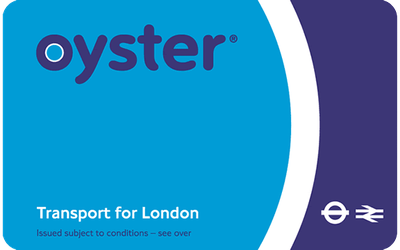
If you’re planning to spend any time in London, it helps to understand how the Oyster system works. The card pays for journeys on the bus, Tube, tram, DLR, London Overground, Elizabeth line and most National Rail services in London.
1. The Oyster Travel Card
The Oyster card is a smartcard you tap on a yellow card reader to pay for a journey. It works across TfL’s network: Tube, buses, trams, DLR, London Overground, Elizabeth line and National Rail services in London where pay as you go is accepted. That covers trips to the museums in South Kensington, Westfield in Shepherd’s Bush and the markets of Camden.
2. How to Get an Oyster Card
A standard Oyster card costs £10.50, and the fee is not refundable. You can buy one from ticket machines at all Tube stations and most London Overground and Elizabeth line stations, at Oyster Ticket Stops in many London newsagents, at London City Airport DLR station and at Visitor Centres. UK residents can also order one online through a contactless and Oyster account. Load some pay as you go credit before your first journey.
3. How to Use an Oyster Card
On buses and trams you touch in once at the start of the journey. On the Tube, DLR, London Overground, Elizabeth line and National Rail you touch in at the start and touch out at the end, or you may be charged a maximum fare.
4. What is Pay as You Go?
Pay as you go means you top up the card with credit and each fare is deducted as you travel. What a journey costs depends on the zones you cross, the type of transport and the time of day.
5. What is a Daily Cap?
On pay as you go there is a daily cap: once your fares for the day reach a set amount, further journeys that day are free. The cap depends on the zones you travel in. The capping day runs from 04:30 to 04:29 the next morning. If you pay with contactless, there is also a Monday to Sunday weekly cap, as long as you use the same card or device for every journey.
Some services don’t count towards capping, including the London Cable Car, Thames Clippers River Buses, Gatwick Express, Heathrow Express and Southeastern high speed trains.
6. What is an Off-Peak Journey?
Peak fares apply Monday to Friday (not on public holidays) between 06:30 and 09:30, and between 16:00 and 19:00. Every other time is off-peak and cheaper. There’s one exception worth knowing: a journey from a station outside Zone 1 to a station in Zone 1 between 16:00 and 19:00 is charged at the off-peak fare. The time that counts is when you touch in.
7. What is a Travelcard?
A Travelcard gives unlimited travel in the zones it covers, at any time, on bus, Tube, tram, DLR, London Overground, Elizabeth line and National Rail services in London. It is valid on all buses whatever zones it covers.
8. Types of Travelcards
7-Day
A 7 Day Travelcard is loaded onto an Oyster card. You can buy one from ticket machines at Tube, London Overground and most Elizabeth line and National Rail stations, at Oyster Ticket Stops and at Visitor Centres. The price depends on the zones it covers, so check the current fare on the TfL website, and compare it with what daily capping would cost you before you buy.
Monthly
Monthly Travelcards are sold in the same places. They suit people who are in London for several weeks and travel most days, since you buy once instead of renewing every week.
Annual
Annual Travelcards are for commuters rather than visitors. You buy them through a contactless and Oyster account (which needs a UK bank account) or the TfL Go app. The same channels sell Travelcards with start and end dates you choose, anywhere between 1½ and 10½ months.
Good reasons to get a Travel card
1. It’s Easy to Use
You tap the card on the reader and walk through, with no queue for a paper ticket every time you travel.
2. It Saves You Money
Pay as you go fares are cheaper than paper single tickets, and the daily cap limits what you can spend in a day. If you make several journeys, the saving adds up.
3. It’s Convenient
You don’t need cash. A contactless bank card does the same job, but if your bank charges a fee on every foreign transaction, an Oyster card loaded with credit avoids paying it journey by journey.
4. It’s Easy to Top Up
You can top up at ticket machines in Tube, London Overground and most Elizabeth line and National Rail stations, at Oyster Ticket Stops, at Visitor Centres, in the free TfL Go app, or online if you live in the UK.
5. It Costs Little to Get One
The card costs £10.50, a one-off fee you won’t get back. Cards bought before 23 February 2020 carried a £5 deposit that is still refundable, so an old Oyster card from a friend may be worth more than the credit on it. Register any card in a contactless and Oyster account: TfL can’t refund or replace an unregistered card that is lost or stolen.
London also has plenty of free museums, from the British Museum to the Natural History Museum, so the fare to get there may be the only thing you pay.
Frequently Asked Questions
Do I need an Oyster card or can I use my contactless bank card?
Either works. TfL accepts contactless cards and devices for pay as you go on the same services as Oyster, with daily capping, and contactless adds a Monday to Sunday weekly cap. An Oyster card makes sense if your bank charges foreign transaction fees.
What is the daily cap on the Oyster card?
The daily cap is the most you’ll pay in one day on pay as you go. Once you reach it, further journeys that day are free. The amount depends on the zones you travel in; check current caps on the TfL website.
Can I use my Oyster card on all London transport?
It works on the Tube, buses, trams, DLR, London Overground, Elizabeth line, the London Cable Car and National Rail services in London where pay as you go is accepted. Touch in and out on rail journeys; on buses and trams, touch in only.
How do I get a refund on my Oyster card deposit?
It depends on when the card was bought. Cards bought before 23 February 2020 have a £5 deposit you can get back when you no longer need the card. For cards bought between 23 February 2020 and 4 September 2022, the £5 comes back automatically as pay as you go credit after a year, on your next journey, and you must collect it within six months. Cards bought on or after 4 September 2022 have a non-refundable fee. Unused credit can be refunded; TfL’s refunds page explains how.
Is a 7-Day Travelcard better than Pay as You Go?
It can be if you’re travelling heavily every day for a full week. For shorter stays or lighter use, pay as you go with the daily cap usually works out the same or cheaper, and contactless users get a weekly cap automatically. Compare current prices for your zones on the TfL website.
What happens if I forget to tap out with my Oyster card?
You may be charged a maximum fare for that journey, so tap out at your destination on the Tube, DLR, London Overground, Elizabeth line and National Rail. If your card is registered, you can check your journey history online and apply for a refund of an incorrect charge.