Dominican Republic Holidays: Resorts & Beaches
Dominican Republic holidays are among the easiest Caribbean trips to book from the UK. Most visitors stay at an all-inclusive resort on the beaches around Punta Cana, where the price is paid upfront, and the country has more to offer if you leave the resort for a day or two.
The Dominican Republic takes up the eastern two-thirds of Hispaniola, which it shares with Haiti. Santo Domingo, the capital, is the oldest continuously inhabited European settlement in the Americas, and its colonial quarter is a UNESCO World Heritage Site. The Samaná Peninsula in the northeast is quieter, with whale watching in winter.
Punta Cana
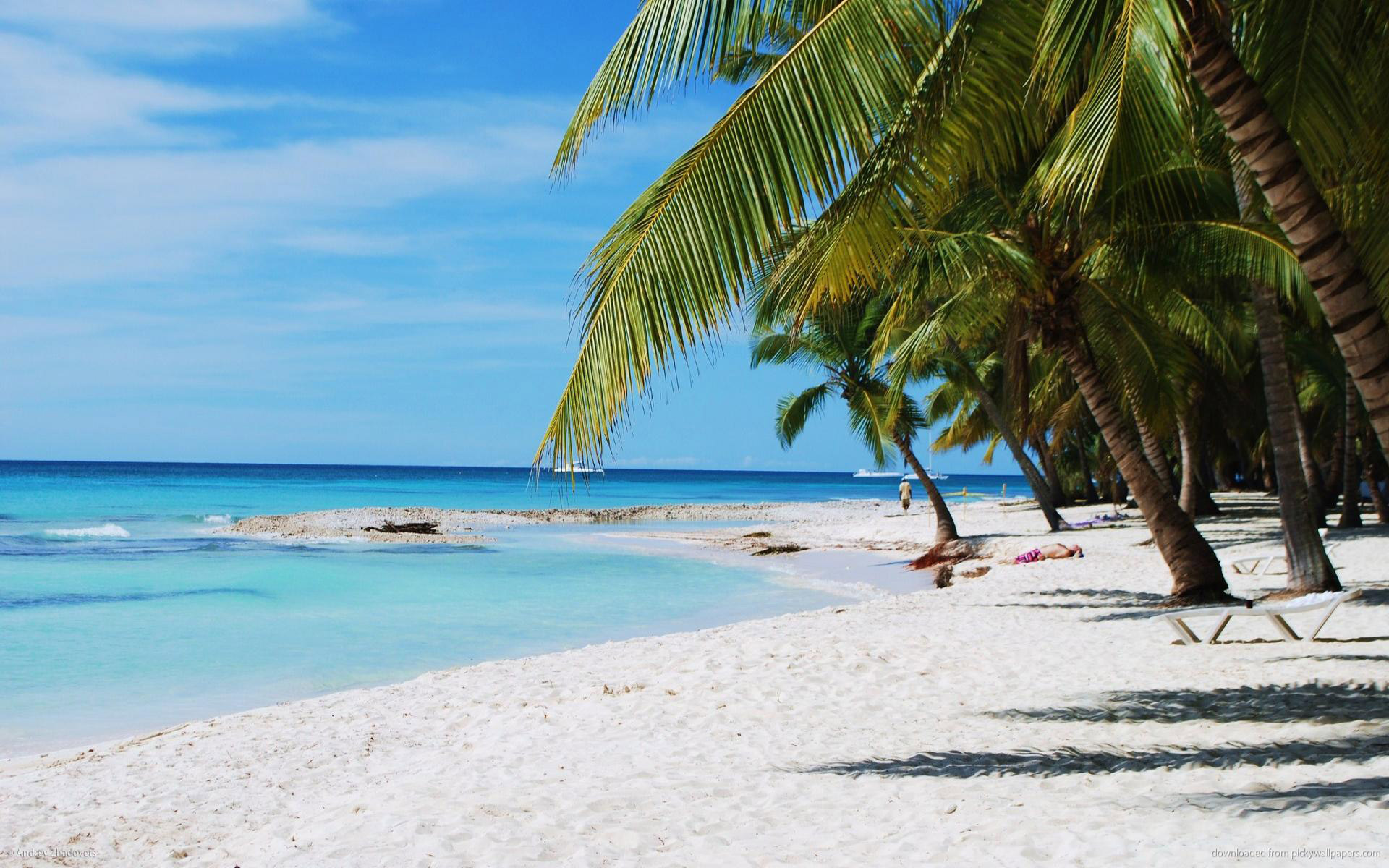
Punta Cana sits on the eastern tip of the country. Its beaches, together with Bávaro and the strands further north, make up the Coconut Coast, a stretch of about 60 km lined with palms and all-inclusive resorts. This is package-holiday Caribbean: comfortable, predictable and largely self-contained.
The Beaches
Bávaro Beach is the main stretch, with white sand, warm water and beach bars.
Bávaro: the busiest section, with the most resorts.
Uvero Alto: further north, quieter and less built up.
Cap Cana: south of the main strip, newer and more upmarket.
Resort Life
Most visitors stay at all-inclusive resorts and rarely leave. You pay upfront, then eat, drink and swim without reaching for your wallet. Quality varies a lot between resorts, so read recent guest reviews before booking.
What is typically included: accommodation, all meals, drinks (including alcohol), pools, beach access, basic activities and evening entertainment.
What usually costs extra: spa treatments, premium spirits, excursions and tips.
The trade-off is that you see little of the country from inside a resort. To see more, book excursions or hire a car (read the driving notes under Getting Around first).
Day Trips from Punta Cana
Saona Island: the most popular excursion. Saona is a 110 sq km island off the southeast coast; boat trips usually include beach time, a stop at a shallow natural pool and lunch. Expect crowds.
Hoyo Azul: a natural swimming hole with bright blue water at the foot of a cliff.
Santo Domingo: the capital is a few hours away by road. A day trip covers the colonial zone; staying a night or two gives you time for more.
Excursion prices change often and vary by operator, so compare current prices before booking.
Santo Domingo
The capital is a busy Caribbean city with a long history. Its old town, the Ciudad Colonial (Zona Colonial), has several firsts for the Americas, including the first cathedral, castle, monastery and fortress.
Zona Colonial
The old town sits on the west bank of the Ozama River. Most of its colonial buildings, and the main sights, are in the southeastern corner.
Catedral Primada de América: the oldest cathedral in the Americas, consecrated in 1541 and largely finished by 1550. The front is golden coral limestone, and the treasury holds old woodcarvings, silver and jewellery.
Alcázar de Colón: the first fortified European palace in the Americas, home to Christopher Columbus’s son Diego. Restored in 1957, it is now a museum and the most visited one in the city.
Calle de las Damas: a colonial street lined with old mansions, running north to the restored Plaza de España.
Fortaleza Ozama: built between 1502 and 1508 to guard the river mouth, and recognised by UNESCO as the oldest European-built military construction in the Americas. Its 18-metre Tower of Homage was the tallest European building in the Americas in the 16th century.
Beyond the Colonial Zone
Malecón: the seafront boulevard (Avenida George Washington) along the Caribbean, lined with hotels and casinos. It is busiest in the evening.
Mercado Modelo: a covered market selling crafts, rum, cigars and souvenirs. Bargaining is expected.
Two or three days covers the main sights.
Samaná Peninsula
The northeast peninsula is slower-paced than the resort coasts, with quieter beaches and whale watching.
Las Terrenas
The main town on the peninsula has a mix of locals, expats and tourists, white sand beaches and plenty of restaurants. A highway finished in 2012 cut the drive from Santo Domingo to about two hours. A hire car helps for exploring the area.
Whale Watching
Thousands of humpback whales come to the waters off Samaná from January to March to breed, and Samaná Bay is one of the main humpback breeding sites in the Caribbean. Boat trips leave from Samaná town. Peak-season trips can sell out, so book ahead and check the operator’s current prices.
Salto El Limón
A waterfall of about 40 metres in the hills of the peninsula, with a pool at the bottom you can swim in. Most visitors ride there on horseback from one of the ranches in El Limón, usually with a local guide. You can also hike, but the trail gets muddy and steep after rain.
Dominican Food
Dominican cooking is hearty: rice, beans, plantains and stewed meat in various combinations.
Traditional Dishes
La Bandera: “the flag”, the traditional lunch of white rice, beans and stewed meat, usually with salad.
Sancocho: a thick stew of several meats with root vegetables and plantain. The seven-meat version, sancocho de siete carnes, counts as the national soup.
Mangú: mashed boiled green plantains, usually eaten with fried cheese, fried Dominican salami, fried eggs and pickled red onions.
Mofongo: mashed fried plantain with garlic, often filled with meat or seafood. It comes from Puerto Rico but is widely eaten here too.
Tostones: twice-fried plantain slices, served as a side.
Drinks
Presidente: the most popular local beer.
Mamajuana: rum, red wine and honey infused with tree bark and herbs. It is sold as a herbal medicine and aphrodisiac, and the taste is often compared to port.
Morir Soñando: “to die dreaming”, a sweet mix of orange juice, milk, cane sugar and ice.
Local restaurants are much cheaper than resort à la carte dining, and meals at an all-inclusive are covered by the package.
Practical Information
Getting There
Direct flights from the UK are limited and often seasonal, so many trips connect through US or European hubs. Check current schedules with the airlines or a package operator.
Main airports:
- Punta Cana International (PUJ): most resort visitors
- Santo Domingo Las Américas (SDQ): for the capital
- Puerto Plata Gregorio Luperón (POP): the north coast
Most resort packages include airport transfers.
Getting Around
Within resorts: the larger resorts run shuttles between their different areas.
Taxis: use an authorised airport or hotel taxi, or book with a registered provider. Ride-hailing apps are widely available. Avoid motorbike taxis (motoconchos), which are often driven badly and may not come with a helmet.
Driving: you can drive on a UK photocard licence for up to three months, though hire companies may also ask for an International Driving Permit. The country has a high road death rate, and driving outside cities at night is risky because of poor lighting, animals on the road and cars without headlights.
Public transport: local buses and shared cars (carros públicos) are cheap, but the UK Foreign Office warns that many are uninsured, unregistered and poorly maintained.
When to Visit
December to April: the dry season and peak tourist season, with the highest prices.
May: a shoulder month, with some rain and fewer crowds.
June to November: hurricane season. Prices are lower, but storms are a risk and the sea can be dangerous.
Costs
All-inclusive packages vary hugely by resort, season and departure airport, so compare a few operators for your dates. Prices are highest from December to April and lowest in the hurricane months.
Outside the resorts, local restaurants, beer and town taxis are cheap by UK standards. Excursions are the main extra cost.
Visas and Entry
British passport holders can visit for tourism without a visa for up to 30 days. Before arriving, and again before leaving, you must complete the free electronic entry and exit form (E-Ticket) at eticket.migracion.gob.do. You can fill it in up to seven days before arrival, and you get a QR code to show. You may be refused entry without proof of return or onward travel.
Until 31 December 2026, your passport only needs to be valid for the length of your stay; the rules may change after that. Check the UK Foreign Office entry requirements before you travel. Other nationalities should check their own government’s advice.
Language
Spanish. English is widely spoken in the resort areas and by tourist businesses, much less so elsewhere.
Safety
Most visits are trouble-free with the usual precautions:
- Thieves on motorbikes snatch bags from pedestrians, and sometimes from cars at red lights, so carry bags on the side away from the road
- Use the hotel safe
- Avoid isolated areas at night
- Use authorised taxis or resort transport
- Follow local warnings about sea conditions, especially in hurricane season
Power
The Dominican Republic uses Type A and B plugs (two flat pins, as in the US) at 120V, 60Hz. UK visitors need a travel adapter, and should check that their chargers accept 100–240V.
Frequently Asked Questions
Do I need a visa to visit the Dominican Republic?
British passport holders do not need a visa for tourist visits of up to 30 days. You must complete the free E-Ticket entry and exit form online before arriving and before leaving, and carry proof of return or onward travel. Until 31 December 2026 your passport only needs to be valid for the length of your stay. Other nationalities should check their own government’s advice.
When is the best time to visit the Dominican Republic?
December to April is the dry season, with the most visitors and the highest prices. May is a shoulder month with some rain and fewer crowds. Hurricane season runs from June to November, when prices drop but storms are a risk. It is warm all year.
What currency does the Dominican Republic use?
The Dominican peso (DOP). US dollars are often accepted in resort areas, and cards are taken at most hotels and larger businesses. Carry some pesos for local restaurants, markets and taxis.
How much does an all-inclusive resort cost in the Dominican Republic?
It depends on the resort, the season and where you fly from. Prices peak from December to April and fall during hurricane season (June to November). Compare several package operators for your dates, and check what each resort includes before comparing prices.
Is the Dominican Republic safe for tourists?
Most visits are trouble-free with normal precautions. Watch for bag snatching by thieves on motorbikes, use the hotel safe, avoid isolated areas at night and use authorised taxis or resort transport. Road accidents are the bigger risk: the country has a high road death rate, so take care if you drive, especially at night outside the cities.
What is included in Dominican all-inclusive resorts?
Usually accommodation, all meals, drinks including alcohol, pools, beach access, basic activities and evening entertainment. Spa treatments, premium spirits, excursions and tips usually cost extra. Inclusions vary between resorts, so check before you book.