Jamaica Holidays: Beaches & Travel Guide
Jamaica holidays offer something different from the rest of the Caribbean. I spent ten days there, split between Negril’s laid-back beach scene, the cliffs of Rick’s Cafe at sunset, and two days in Kingston exploring Bob Marley’s legacy. The jerk chicken from roadside stalls remains some of the best food I have eaten anywhere, and climbing Dunn’s River Falls with locals cheering me on is a memory I return to often. Jamaica feels more real than the polished resort islands – sometimes rough around the edges, but never boring.
Jamaica has reggae, beaches, and genuine Caribbean culture. The island is more than just resorts – there’s music history in Kingston, waterfalls to climb, and jerk chicken worth travelling for. A week covers the highlights; longer stays let you explore beyond the tourist areas.
Where to Go
Montego Bay
The main tourist hub on the northwest coast. Most international flights arrive at Sangster International Airport here. The Hip Strip has restaurants, bars, and shops. Doctor’s Cave Beach is the famous stretch of white sand.
Montego Bay works well as a base for all-inclusive resorts or for exploring the surrounding area. Rose Hall Great House is nearby – a Georgian mansion with a dark history.
Negril
On the western tip of the island, Negril has two distinct beach areas. Seven Mile Beach is the main resort strip with calm water and white sand. The West End has cliffs, sunset views, and a more laid-back atmosphere.
Rick’s Cafe on the cliffs is the famous sunset spot with cliff jumping (from various heights, so beginners can participate).
Negril has more of a backpacker and independent traveller scene than Montego Bay, though resorts are here too.
Ocho Rios
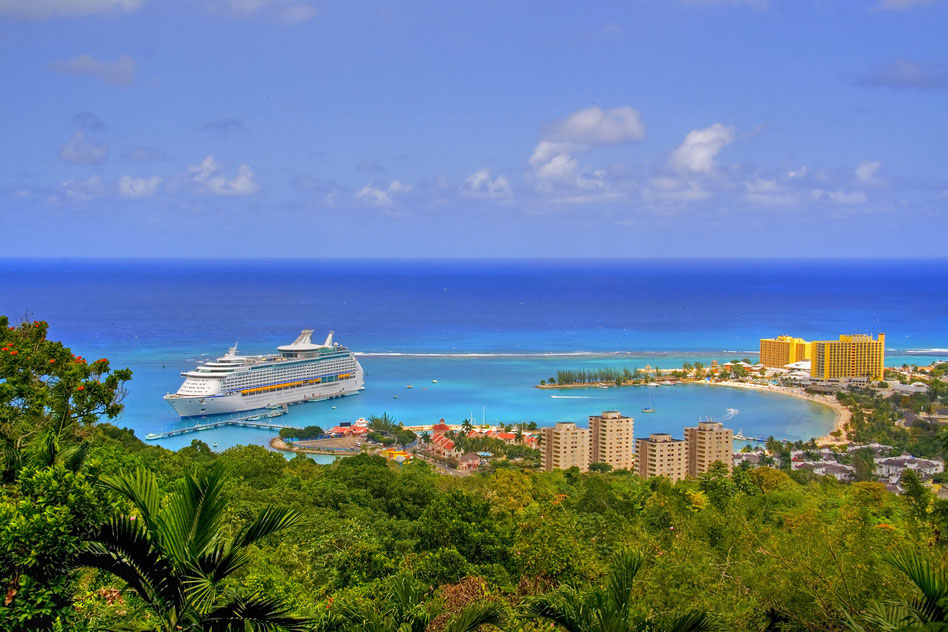
Cruise ship port on the north coast. Dunn’s River Falls – a 180-metre waterfall you can climb with a guide – is the main attraction. Mystic Mountain has a bobsled ride and ziplines.
Good for day trips but less interesting as a base compared to Negril or Montego Bay.
Kingston
Jamaica’s capital and cultural heart. Less touristy, more real. The Bob Marley Museum is in his former home and recording studio – a must for reggae fans. Devon House has ice cream and historic architecture.
Port Royal, across the harbour, was once the “wickedest city on earth” and a pirate stronghold. The Blue Mountains rise behind the city, with coffee plantations and hiking trails.
Kingston requires more awareness than resort areas but rewards visitors interested in Jamaican culture beyond the beaches.
Port Antonio
Quieter and less developed than the north coast resorts. The Blue Lagoon (yes, the one from the film) is here. Reach Falls and Somerset Falls are less crowded alternatives to Dunn’s River.
Frenchman’s Cove beach is small but beautiful. Port Antonio suits travellers looking for a more relaxed pace.
South Coast
The least touristy part of Jamaica. Black River has crocodile safari tours through mangrove swamps. YS Falls is a seven-tiered waterfall with natural swimming pools.
Treasure Beach is a collection of fishing villages with small guesthouses and a community tourism vibe.
Things to Do
Dunn’s River Falls – The famous 180-metre waterfall near Ocho Rios. Guides lead groups up the rocks. Wear water shoes. Entry around $25 USD.
Bob Marley Museum – Kingston. Guided tours of Marley’s home and studio. About $25 USD. Open Tuesday-Saturday.
Blue Mountain Coffee Tours – Visit working coffee plantations in the mountains behind Kingston. Tours include tastings. Half-day trips from Kingston.
Rafting the Martha Brae – Bamboo raft trips down a calm river near Falmouth. Relaxing rather than adventurous. About $70 USD per raft (holds two people).
Appleton Estate – Rum distillery tour in the interior. Learn the process, sample the products. About $35 USD.
Luminous Lagoon – Near Falmouth. Bioluminescent microorganisms light up when disturbed. Night boat tours let you swim in glowing water. Around $25 USD.
Costs
Jamaica is mid-range for the Caribbean. All-inclusive resorts simplify budgeting but independent travel is possible.
Daily budgets:
- Budget (guesthouses, local food, buses): $60-90 USD
- Mid-range (hotels, restaurants, tours): $150-250 USD
- All-inclusive resorts: $200-500 USD per person
Sample prices:
- Jerk chicken plate: $5-10 USD
- Restaurant meal: $15-30 USD
- Beer: $2-4 USD
- Red Stripe at a bar: $3-5 USD
- Route taxi: $1-3 USD
- Private taxi Montego Bay to Negril: $80-100 USD
- Hostel dorm: $20-35 USD
- Budget hotel: $50-80 USD
- Mid-range hotel: $100-180 USD
Visa Requirements
UK citizens: No visa required for stays up to 6 months. Valid passport needed.
US citizens: No visa required for stays up to 90 days. Valid passport needed.
Canadian citizens: No visa required for stays up to 6 months.
EU citizens: Most EU nationalities don’t need a visa for tourist stays.
All visitors need a return or onward ticket and proof of accommodation.
Getting There
Montego Bay (MBJ) – Sangster International Airport. Most international flights land here. Direct flights from London (10 hours), New York (4 hours), Miami (1.5 hours), Toronto (4 hours).
Kingston (KIN) – Norman Manley International Airport. Some international flights, mainly regional connections.
Airlines serving Jamaica include British Airways, Virgin Atlantic, American Airlines, JetBlue, Delta, and Caribbean Airlines.
Getting Around
Route taxis – Shared minibuses and taxis that run set routes. Cheap ($1-3 USD) but can be crowded and slow. Main form of local transport.
Private taxis – Agree on price before getting in. No meters. Montego Bay to Negril around $80-100 USD.
Knutsford Express – Air-conditioned coach service between major towns. Montego Bay to Kingston around $25 USD. Comfortable and reliable.
Rental cars – Available but driving can be challenging. Left-hand side, variable road conditions, aggressive driving culture. Around $40-60 USD per day.
Resort transfers – Most resorts arrange airport pickups. Often included or available for $20-50 USD.
When to Visit
December to April: Dry season, peak tourist time. Best weather but highest prices. Book accommodation early.
May to June: Shoulder season. Occasional rain but fewer crowds and lower prices.
July to November: Hurricane season. Lowest prices but rain is more likely, especially August-October. Most hurricanes miss Jamaica, but travel insurance is important.
Year-round temperatures: 25-32°C (77-90°F). Mountains are cooler.
Food and Drink
Jerk chicken and pork – Jamaica’s signature dish. Meat marinated in spices and smoked over pimento wood. Available from roadside stalls to restaurants. Scotchies near Ocho Rios and Montego Bay is famous.
Ackee and saltfish – National dish. Ackee (a fruit that looks like scrambled eggs when cooked) with salted cod. Usually breakfast.
Curry goat – Indian-influenced curry with goat meat. Often at local restaurants.
Patties – Flaky pastry with spiced meat or vegetable filling. Cheap street food. Juici Patties and Tastee are the chain options.
Rice and peas – Accompanies most meals. Rice cooked with kidney beans and coconut milk.
Red Stripe – Jamaica’s beer. Appleton rum is the local spirit.
Practical Tips
- Safety: Tourist areas are generally safe. Be aware in Kingston and avoid isolated areas at night. Most crime against tourists is opportunistic – don’t flash valuables.
- Hustling: Expect persistent vendors and offers at beaches and tourist spots. A firm “no thanks” usually works.
- Tipping: 10-15% at restaurants if not included. Tip guides, drivers, and hotel staff.
- Currency: Jamaican Dollar (JMD), but US dollars accepted everywhere in tourist areas. ATMs dispense JMD.
- Language: English (official) and Patois (Jamaican Creole).
- Electricity: 110V, Type A and B plugs (same as US). UK and EU visitors need adapters.
Frequently Asked Questions
Do I need a visa to visit Jamaica?
UK, US, and Canadian citizens do not need a visa for tourist stays (up to 6 months for UK/Canada, 90 days for US). Most EU nationalities also don’t need a visa. All visitors need a valid passport, return or onward ticket, and proof of accommodation.
When is the best time to visit Jamaica?
December to April is the dry season with the best weather but highest prices and most crowds. May to June offers shoulder season conditions with occasional rain and lower prices. July to November is hurricane season with the lowest prices but more rain, especially August to October. Year-round temperatures range from 25-32°C (77-90°F).
What currency does Jamaica use and are US dollars accepted?
Jamaica uses the Jamaican Dollar (JMD), but US dollars are widely accepted in all tourist areas. ATMs dispense JMD, and you’ll often get better value paying in local currency. Credit cards are accepted at hotels and larger establishments.
How much does a trip to Jamaica cost?
Budget travellers can manage on $60-90 USD per day using guesthouses, local food, and buses. Mid-range travellers should budget $150-250 USD per day for hotels, restaurants, and tours. All-inclusive resorts typically cost $200-500 USD per person per day including meals and drinks.
Is Jamaica safe for tourists?
Tourist areas like Negril, Montego Bay, and resort zones are generally safe. Kingston requires more awareness and caution. Most crime against tourists is opportunistic – avoid flashing valuables, use registered taxis, and stay in well-populated areas. Persistent vendors at beaches are common but usually harmless.
What should I eat in Jamaica?
Don’t miss jerk chicken and pork (Jamaica’s signature dish), ackee and saltfish (the national dish), curry goat, and patties (flaky pastry with spiced filling). Red Stripe beer and Appleton rum are the local beverages. Scotchies near Ocho Rios and Montego Bay is famous for authentic jerk.