Pai Thailand: Mountain Town Travel Guide
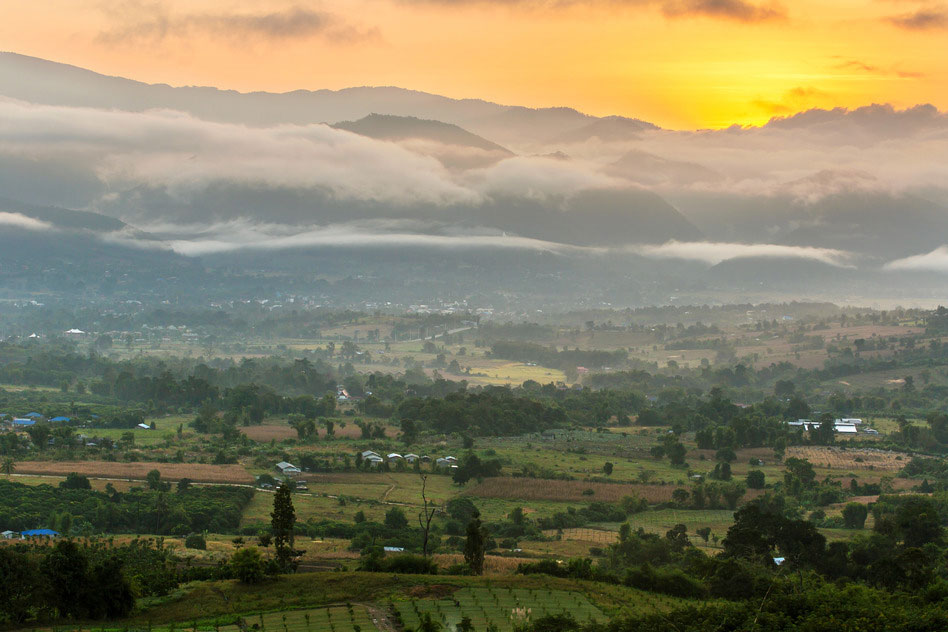
The minivan to Pai from Chiang Mai takes three hours and 762 curves – I counted mentally for about twenty minutes before giving up and focusing on not being sick. By the time we arrived I understood why so many travellers stay longer than planned. Pai has a particular energy, somewhere between backpacker party town and hippie retreat, that makes it easy to lose track of days. I rented a motorbike, visited a different waterfall each morning, soaked in hot springs each afternoon, and watched the sunset from Pai Canyon with a beer. A week passed before I realised it had been a week. The scooter rental costs about £5 a day and the noodle soups cost less than £1 – staying is easy once you arrive.
Pai is a small mountain town in Mae Hong Son province, about 3 hours north of Chiang Mai. It’s known for the winding road to get there (762 curves), a relaxed backpacker atmosphere, and surrounding natural attractions like waterfalls and hot springs.
The town itself is compact and walkable. Most visitors stay 2-4 nights, using Pai as a base for exploring the area by motorbike.
Getting There
From Chiang Mai
Minivan is the most common option. Departures every hour or so from the Arcade bus station. The journey takes around 3-4 hours and costs about 150-200 THB. Book a day ahead in peak season (November-February).
Motorbike is popular with experienced riders. The road is scenic but demanding – 762 curves through mountains. Not recommended for inexperienced riders or those prone to motion sickness. Takes about 3 hours without stops.
Private car or bus are also options, though less common than minivans.
The road has a reputation for accidents due to the curves and mix of tourist riders. If you’re not confident on a motorbike, take the minivan.
Things to Do
Pai Canyon
A series of narrow sandstone ridges with walking paths along the top. Views are good, especially at sunset. Some sections are narrow and sandy – wear proper shoes, not flip-flops. About 8km south of town, free entry.
Waterfalls
Mo Paeng Waterfall – The most popular, with natural pools and a rock slide. Easy to access, which means it gets crowded. Small entrance fee.
Pam Bok Waterfall – Smaller and quieter. Short hike to reach. Good for swimming.
Mae Yen Waterfall – Requires a proper hike (2-3 hours each way) through jungle. Go with a guide or be prepared for river crossings.
Best visited in rainy season (July-November) when water levels are highest.
Hot Springs
Sai Ngam Hot Springs – About 15km north of town. Natural setting, less developed, fewer tourists. Several pools at different temperatures.
Tha Pai Hot Springs – Closer to town (8km south), more popular, higher entrance fee. More developed with facilities.
White Buddha
Wat Phra That Mae Yen sits on a hill with a large white Buddha statue. 353 steps to the top, good views of Pai and surrounding valley. Best at sunrise. Dress modestly (cover shoulders and knees).
Tham Lod Cave
About 1.5 hours north of Pai, near the town of Soppong. Large cave system with stalactites, stalagmites, and a river running through. Guided tours required (around 300-600 THB depending on caves visited). Includes a bamboo raft ride. Best visited late afternoon to see the bat exodus at sunset.
Kho Ku So Bamboo Bridge
An 800-metre bamboo walkway across rice paddies. Photogenic, especially in the green season. Small entrance fee.
Land Split
A quirky attraction – a crack in the earth that appeared in 2008. The landowner kept farming and now runs a small tourist stop. Donation-based entry.
Markets and Food
Pai Walking Street runs every evening from around 6pm. Food stalls, souvenirs, and live music. Tourist-focused but good for eating.
Food in Pai caters heavily to backpackers and tourists. You’ll find smoothie bowls, Western breakfast, and Thai food. Khao soi is harder to find here than in Chiang Mai.
Cafes are everywhere – Pai has more coffee shops per capita than it needs. Good places to escape afternoon heat or work remotely.
Accommodation
Pai has options from backpacker hostels (300-500 THB) to boutique resorts (2,000+ THB). The town centre puts you near the walking street and bars. Staying outside town requires a motorbike but is quieter.
Book ahead in peak season (November-February) – popular places fill up.
Getting Around
Motorbike rental is the main way to explore. Around 150-200 THB per day. The town itself is walkable, but attractions are spread out.
If you’re not comfortable on a motorbike, you can arrange tours to major attractions or hire a driver for the day.
Nightlife
Pai has a backpacker party scene, though more mellow than the Thai islands. Bars along the main street with live music and happy hours. Tuesday and Friday “tipsy tubing” events are popular.
Practical Tips
- Motion sickness – If you’re prone, take medication before the minivan ride
- Riding safety – Don’t rent a motorbike without experience. The roads are unforgiving
- Cash – Bring enough. ATMs exist but card acceptance is limited
- Weather – Cool in November-February, hot in March-May, rainy June-October
- Burning season – March-April can have poor air quality from agricultural burning
When to Visit
November-February – Cool and dry. Peak season. Book accommodation ahead.
March-May – Hot season. Can be smoky from burning.
June-October – Rainy season. Waterfalls are fullest but some days are wet.
Frequently Asked Questions
Do I need a visa to visit Pai?
Pai is in Thailand, so the same visa rules apply. Most Western passport holders receive 30 days visa-free entry when arriving by air (14 days by land border). Your passport must be valid for at least 6 months. For stays longer than 30 days, you’ll need to apply for a tourist visa in advance or do a visa run to a neighbouring country.
What is the best time to visit Pai?
November to February is best – cool, dry weather with clear skies and comfortable temperatures for exploring. March to May is hot season and also burning season, when agricultural fires create poor air quality and haze. June to October is rainy season when waterfalls are at their fullest, but expect afternoon rain. Avoid late March to early April if air quality is a concern.
What currency is used in Pai and are credit cards accepted?
Thailand uses Thai Baht (THB). ATMs are available in Pai town, but card acceptance is limited. Most guesthouses, restaurants, and tour operators prefer cash. Bring enough baht from Chiang Mai or withdraw from ATMs in Pai. Some higher-end places accept cards but may add a surcharge.
How much does it cost to visit Pai?
Pai is very budget-friendly. Hostel beds cost 300-500 THB (£7-12) per night, guesthouse rooms 800-1,500 THB (£18-35). Street food and local meals cost 40-100 THB (£1-2.30). Motorbike rental is 150-200 THB (£3.50-4.70) per day. Waterfall entry fees are typically 20-100 THB. You can comfortably travel here on £20-30 per day.
Is it safe to ride a motorbike in Pai?
The roads around Pai can be dangerous, especially for inexperienced riders. The road from Chiang Mai has 762 curves and sees frequent accidents involving tourists. In Pai, some roads to attractions are steep, unpaved, and poorly maintained. Only rent a motorbike if you have genuine riding experience. If not, arrange tours or hire a driver for the day.
How long should I spend in Pai?
Most visitors stay 2-4 nights, which gives enough time to explore the main attractions – waterfalls, hot springs, Pai Canyon, and the White Buddha. The town itself is small and can feel repetitive after a few days. If you want a relaxed pace, enjoy the cafe scene, or use Pai as a base for trekking, consider 4-7 nights.