The World’s Most Beautiful Islands: Where to Go
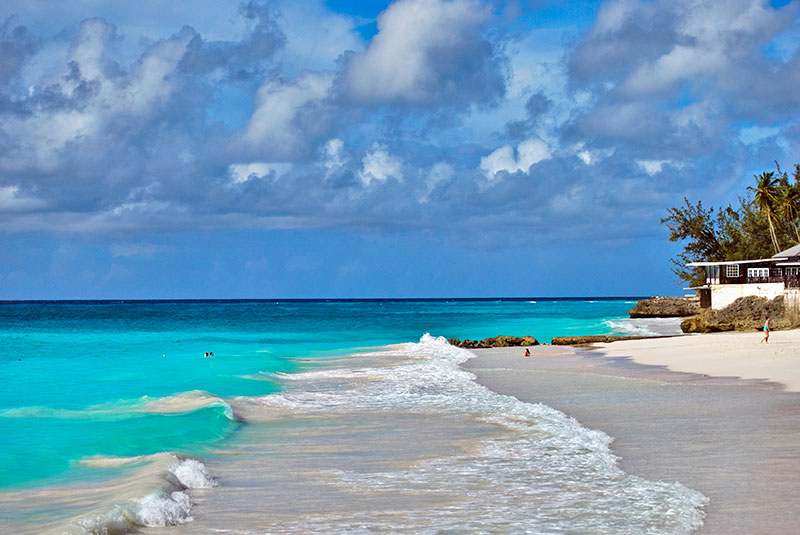
I’ve been to maybe a dozen islands that people call “paradise” and learned that the word means different things to different travellers. Some islands deliver on the postcard promise – white sand, turquoise water, swaying palms. Others surprise you with volcanic drama, jungle-covered peaks, or underwater worlds that make the beaches secondary.
This list covers islands I’d genuinely return to, plus a few I haven’t visited but would based on what I know. Each has something specific that sets it apart.
Caribbean & Atlantic
Providenciales, Turks and Caicos
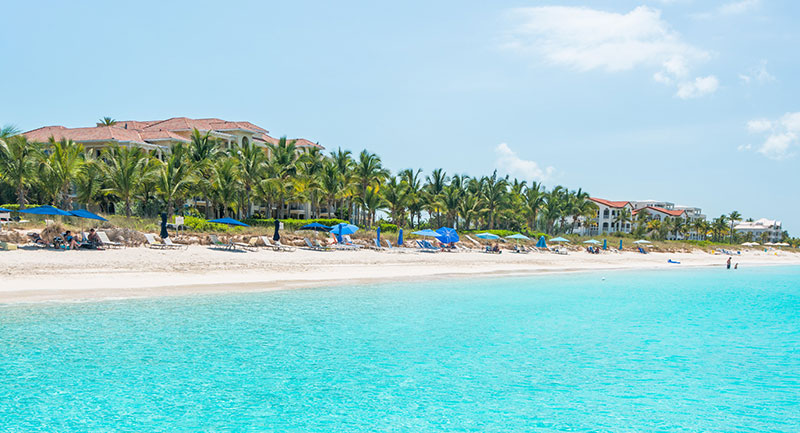
Grace Bay Beach consistently wins “best beach in the world” polls, and it’s not hype. The sand is genuinely flour-soft, the water is that impossible turquoise you see in advertisements, and the beach stretches for 12 miles without a bad section.
What sets it apart: The reef running parallel to the beach creates a natural lagoon with calm, clear water. Snorkelling is excellent right off the sand.
The trade-off: It’s expensive. Providenciales caters to American tourists willing to pay resort prices. Budget travellers should look elsewhere.
Best time: November to April (dry season). Hurricane risk June to November.
Barbados
Barbados feels different from other Caribbean islands. There’s a distinct culture here – cricket on the beach, rum shops on every corner, flying fish for breakfast. The west coast has calm Caribbean water; the east coast has Atlantic surf and dramatic cliffs.
What sets it apart: It’s a real place with a functioning economy beyond tourism. You can explore inland, visit plantation houses, and experience Bajan culture rather than just sitting on a beach.
The trade-off: Beaches aren’t as spectacular as some neighbours (try Antigua for that).
Best time: December to April. The “wet season” (June-November) usually means brief afternoon showers, not all-day rain.
Roatan, Honduras

Roatan sits on the Mesoamerican Barrier Reef – the second largest reef system in the world. The diving and snorkelling are exceptional, and it costs a fraction of what you’d pay in more developed Caribbean destinations.
What sets it apart: Value for money. You can dive world-class reef for budget prices. The island has retained a laid-back atmosphere that’s disappeared from more developed destinations.
The trade-off: Infrastructure is basic outside the resort areas. Not the place for luxury seekers.
Best time: February to September (dry season). October-January can be rainy.
Mediterranean
Santorini, Greece
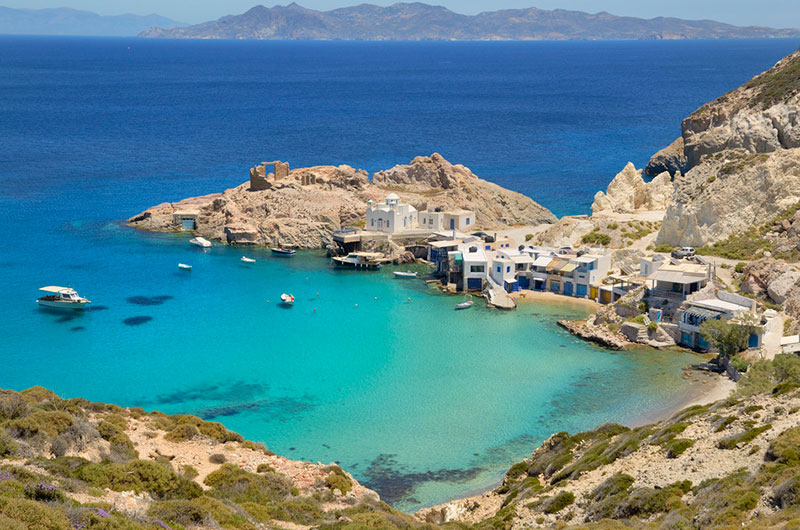
Santorini is genuinely impressive. The caldera views from Oia and Fira are unlike anywhere else – white buildings cascading down volcanic cliffs into deep blue water. The sunsets draw crowds for good reason.
What sets it apart: Volcanic geology creates dramatic landscapes you won’t find on typical beach islands. The wine (from volcanic soil) is excellent. The light is extraordinary.
The trade-off: Overrun with tourists in summer. Cruise ship crowds make Oia nearly unbearable midday. Expensive for Greece.
Best time: May-June or September-October. Avoid July-August unless you enjoy queuing for sunset photos.
Indian Ocean
Maldives
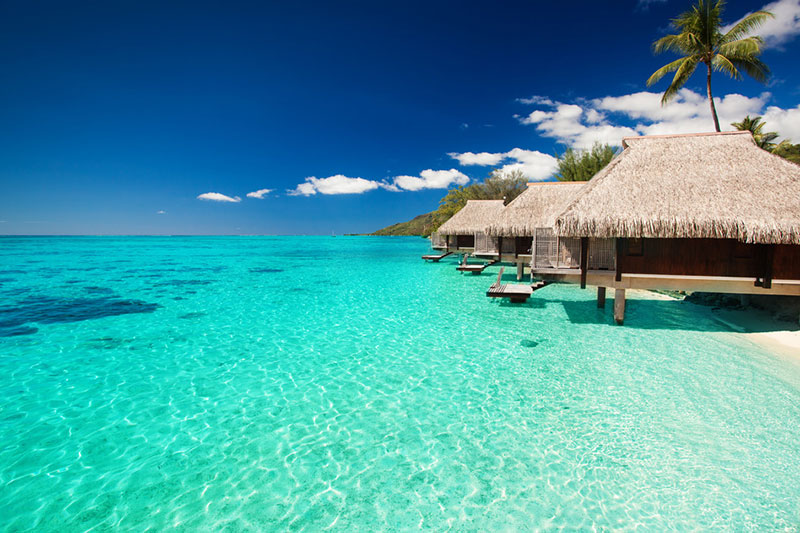
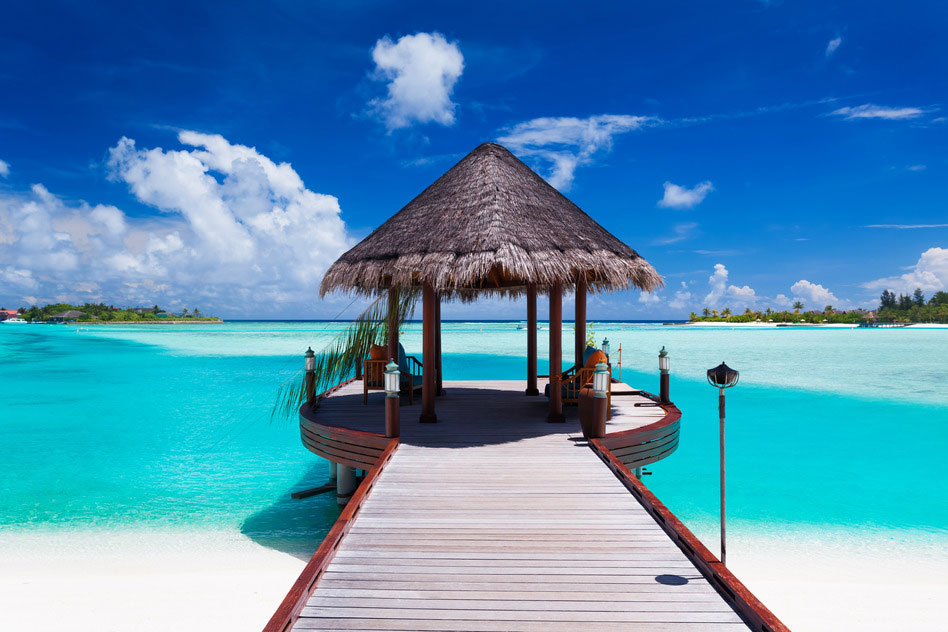
The Maldives delivers exactly what the brochures promise: overwater bungalows, impossible water clarity, and world-class diving. It’s the definition of tropical luxury.
What sets it apart: The water. It’s so clear it looks photoshopped. The marine life is abundant – manta rays, whale sharks, reef sharks, turtles. House reefs at most resorts mean excellent snorkelling steps from your room.
The trade-off: Expensive, isolated (one resort per island), and the environmental impact of all those resorts is concerning. Limited cultural experiences – you’re paying for the beach, not much else.
Best time: November to April (dry season). May-October has lower prices but more rain.
Seychelles
The Seychelles feels wilder than the Maldives. Giant granite boulders frame the beaches, jungle covers the interior, and giant tortoises wander freely. It’s expensive but offers more variety than a standard beach destination.
What sets it apart: The landscape. Those granite boulders at beaches like Anse Source d’Argent create scenes that look unreal. Good hiking, unique wildlife, and beaches that aren’t manicured resort strips.
The trade-off: Very expensive. Limited nightlife. Getting between islands requires planning.
Best time: April-May or October-November (between monsoons). Diving is best May-September.
Mauritius
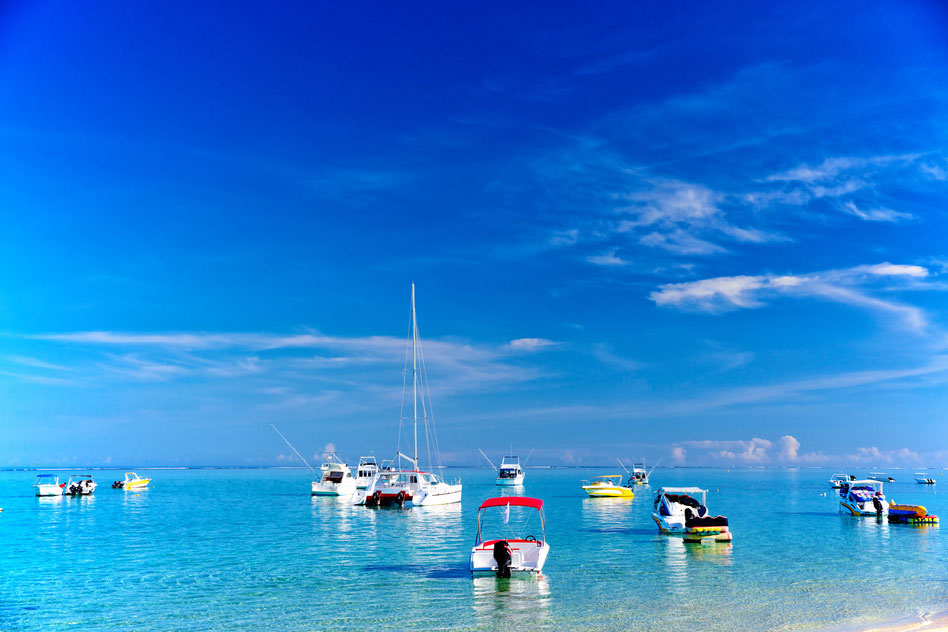
Mauritius combines beach holidays with actual things to do. There’s a blend of Indian, African, French, and Chinese influences that creates genuine culture beyond the resorts. Good food, interesting markets, and hiking in the interior mountains.
What sets it apart: It’s a real country with a diverse population, not just a resort island. The multicultural food scene is excellent. The Black River Gorges National Park offers proper hiking.
The trade-off: Beaches aren’t quite as spectacular as Maldives or Seychelles. The island has a more developed, less “deserted paradise” feel.
Best time: May to December (winter – but still warm). January-March is cyclone season.
Southeast Asia
Bali, Indonesia
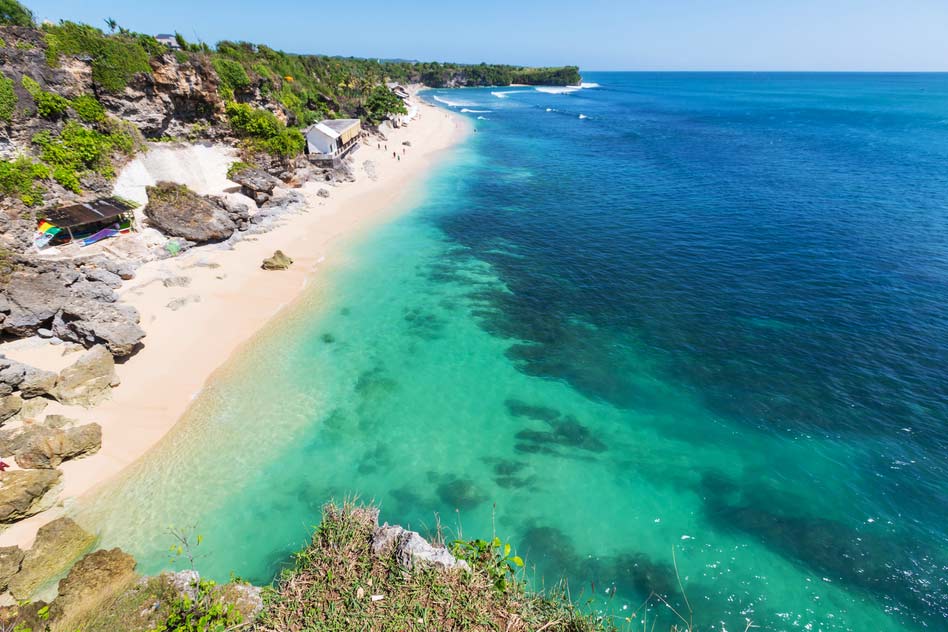
Bali is many islands in one. Beach clubs in Seminyak, rice terraces in Ubud, temples at every turn, surf breaks along the Bukit Peninsula, and diving off the north coast. It’s developed to the point of overdevelopment in places, but there’s a reason millions of people keep going back.
What sets it apart: Variety. You can have completely different experiences in different parts of the island. The Hindu culture creates a distinctiveness absent from other Indonesian islands. Prices remain reasonable despite the tourist numbers.
The trade-off: Overcrowded in popular areas. Traffic is terrible. The “authentic Bali” of travel writing largely exists only in remote areas now.
Best time: April to October (dry season). Rainy season (November-March) brings afternoon downpours but also fewer crowds.
Ko Tao, Thailand
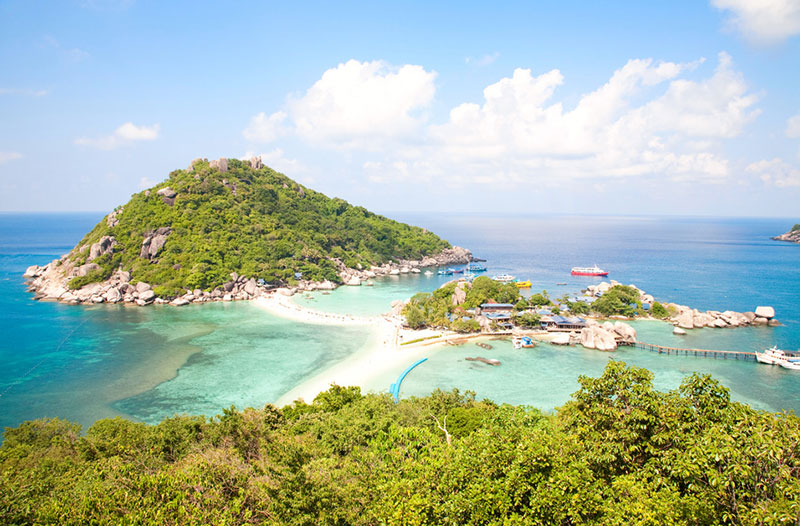
Ko Tao is where half the divers in Southeast Asia got certified. The island has more dive schools per square kilometre than anywhere else, and the prices are some of the lowest in the world. Beyond diving, it’s a small, friendly island with good beaches and a backpacker vibe.
What sets it apart: Affordable diving on healthy reef. Whale sharks pass through regularly. The small size means you can walk or scooter everywhere.
The trade-off: Very much a backpacker/dive tourism island. Not the place for luxury or solitude.
Best time: March to September. October-December can have rough seas.
Pacific
Maui, Hawaii
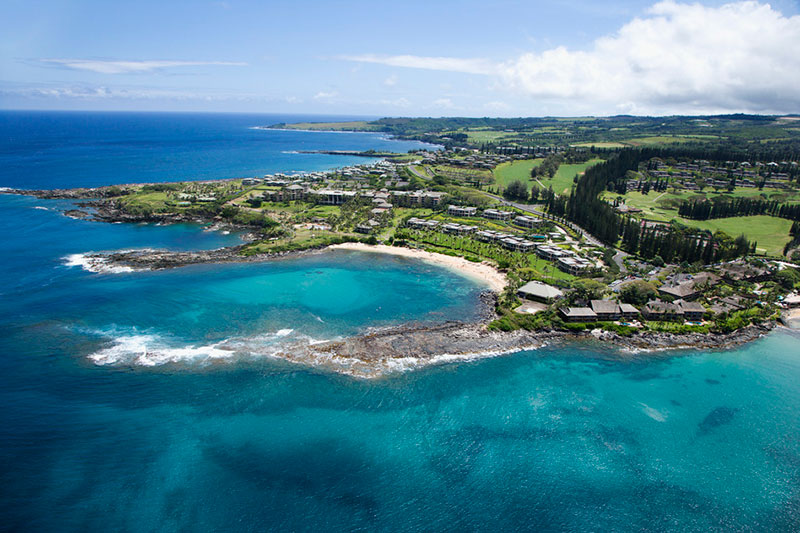
Maui has it all: beaches, volcanic landscapes, waterfalls, whale watching, and American infrastructure. The Road to Hana is one of the great coastal drives. Haleakala crater at sunrise is genuinely otherworldly.
What sets it apart: Diversity of landscapes in a manageable size. You can snorkel in the morning, hike a volcanic crater in the afternoon, and eat at an excellent restaurant that night. No language barrier, reliable services, good roads.
The trade-off: Expensive (Hawaii prices plus resort markups). Feels more American than exotic.
Best time: April to October. Winter (November-March) brings bigger waves (good for surfers) and whale watching.
Bora Bora, French Polynesia
Bora Bora is the honeymoon island. The lagoon is spectacular – Mount Otemanu rising from impossibly blue water, overwater bungalows dotting the shoreline. It lives up to the photographs.
What sets it apart: The lagoon. Swimming with sharks and rays in crystal-clear water is standard here. The volcanic peak provides dramatic scenery that flat atoll destinations lack.
The trade-off: Extremely expensive. Limited things to do beyond the lagoon and your resort. Getting there requires significant travel.
Best time: May to October (dry season). November-April is warmer but wetter.
Atlantic
Madeira, Portugal
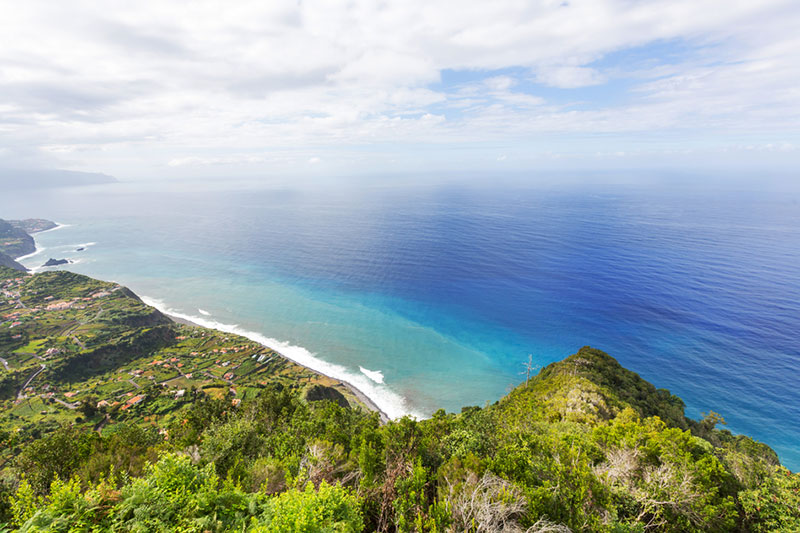
Madeira isn’t a beach island – it’s a hiking island. Volcanic cliffs drop into the Atlantic, levadas (irrigation channels) create walking trails through laurel forests, and the interior is genuinely dramatic. The year-round mild climate means you can visit any time.
What sets it apart: The levada walks. Hundreds of kilometres of trails following old irrigation channels through dramatic scenery. No other island offers anything similar.
The trade-off: Few beaches (and those are rocky/volcanic). Not for sun-seekers who want to lie on sand.
Best time: Year-round. April-October is slightly drier but even winter is mild.
Fernando de Noronha, Brazil
A volcanic archipelago 350km off the Brazilian coast, Fernando de Noronha limits visitor numbers to protect its marine park. The diving is exceptional, dolphins are everywhere, and the beaches are uncrowded by law. It’s Brazil‘s best-kept secret.
What sets it apart: Environmental protection means pristine waters and abundant marine life. Spinner dolphins gather in the hundreds at Baía dos Golfinhos. Limited development preserves the wild feel.
The trade-off: Expensive to reach, limited accommodation, and daily visitor taxes. Worth the effort but requires planning.
Best time: August to December (dry season, best visibility for diving).
Choosing Your Island
For beaches: Providenciales, Maldives, Seychelles
For diving: Roatan, Ko Tao, Fernando de Noronha, Maldives
For culture: Bali, Barbados, Mauritius
For hiking: Madeira, Maui, Seychelles
For luxury: Maldives, Bora Bora, Seychelles
For budget: Roatan, Ko Tao, Bali
For honeymoons: Bora Bora, Maldives, Santorini
Frequently Asked Questions
Which island is best for a honeymoon?
Bora Bora, Maldives, and Santorini are the classic honeymoon destinations. Bora Bora offers overwater bungalows with dramatic volcanic scenery, the Maldives provides ultimate luxury with pristine waters and privacy, while Santorini delivers romantic sunsets and dramatic caldera views. For better value, consider Mauritius or Seychelles, which offer similar romantic settings at lower costs.
What is the best time to visit tropical islands?
Timing varies by region. Caribbean and Pacific islands are best December-April (dry season, avoiding hurricanes). Maldives and Seychelles are ideal November-April. Southeast Asian islands like Bali and Ko Tao are best April-October. Mediterranean islands like Santorini should be visited May-June or September-October to avoid extreme summer crowds. Always research specific destinations as seasons vary.
Do I need visas for island destinations?
Visa requirements vary significantly. Many tropical islands offer visa-free entry or visa-on-arrival for UK and US citizens, including Maldives (30 days), Mauritius (90 days), Seychelles (90 days), and most Caribbean islands. Bali, Indonesia typically offers 30-day visa-free entry. Greece (Santorini) allows 90 days for most Western visitors. Always verify current requirements before booking.
Which islands are best for budget travellers?
Ko Tao in Thailand, Roatan in Honduras, and Bali in Indonesia offer excellent value for budget travellers. Ko Tao provides cheap diving and accommodation, Roatan has world-class reef diving at fraction of Caribbean prices, and Bali offers variety and culture at reasonable costs. Dominican Republic also provides good value through all-inclusive resorts.
Which islands have the clearest water?
The Maldives, Turks & Caicos (Grace Bay), and the Bahamas consistently have the clearest, most turquoise water. The Maldives offers visibility so clear it looks artificial. Turks & Caicos’ barrier reef creates a natural lagoon with impossibly blue water. The Bahamas has over 700 islands with some of the Caribbean’s most transparent waters, perfect for snorkelling and diving.
What are the most expensive island destinations?
Bora Bora is extremely expensive due to remoteness and luxury positioning. The Maldives, while pricey, offers range from budget guesthouses to ultra-luxury resorts. Turks & Caicos and Seychelles are also expensive. Maui, Hawaii has high costs due to resort pricing. For luxury on smaller budgets, consider Mauritius, Barbados, or less-developed Seychelles islands like La Digue.