Maui Hawaii: Beaches & Travel Guide
I spent two weeks on Maui and still felt I had only scratched the surface. The Haleakala sunrise was genuinely transcendent – we woke at 2am, drove up in the dark, and watched colours appear that I did not know existed in nature. The Road to Hana took an entire day with stops, and we could have spent another day just on that stretch. What surprised me most was the cost. Hawaii is expensive in ways that catch you off guard: $150 per night for a basic hotel, $6 for a gallon of petrol, $15 for a mediocre lunch. Budget accordingly and book the rental car months ahead – we paid twice what we should have because we left it late.
Maui regularly appears on “best islands” lists for good reason. The second-largest Hawaiian island has diverse landscapes – volcanic craters, rainforests, beaches, and upcountry farms. A week covers the highlights; two weeks allows for a relaxed pace.
Where to Stay
West Maui (Lahaina, Kaanapali): Most resorts and tourist infrastructure. Good beaches, restaurants, shopping. Lahaina town has nightlife and historic sites.
South Maui (Wailea, Kihei): Drier weather, upmarket resorts in Wailea, more affordable options in Kihei. Good snorkelling nearby.
Upcountry (Makawao, Kula): Cooler temperatures, farms, small towns. Good base for Haleakala sunrise.
East Maui (Hana): Remote, rainy, and stunning. Limited accommodation – mostly small hotels and vacation rentals.
Top Experiences
Haleakala National Park
The 3,055-metre dormant volcano dominates the island. Two main areas:
Summit: Sunrise is popular but requires reservations ($1 per person, book 60 days ahead at recreation.gov). The crater looks otherworldly. Bring warm layers – it’s cold at altitude.
Kipahulu: On the east side, near Hana. Bamboo forest, waterfalls, Seven Sacred Pools (swimming dependent on conditions). Entry $30 per vehicle, valid for 3 days.
Road to Hana
The famous 84km drive from Kahului to Hana takes 2.5-3 hours without stops (allow all day with stops). Over 600 curves and 50+ one-lane bridges.
Highlights along the way:
- Twin Falls (easy waterfall walk)
- Garden of Eden Arboretum
- Waikamoi Ridge Trail
- Black sand beach at Waianapanapa
- Hana town
You can loop back via the southern route (Piilani Highway) if your rental allows it – some don’t. The south side is rougher but scenic.
Beaches
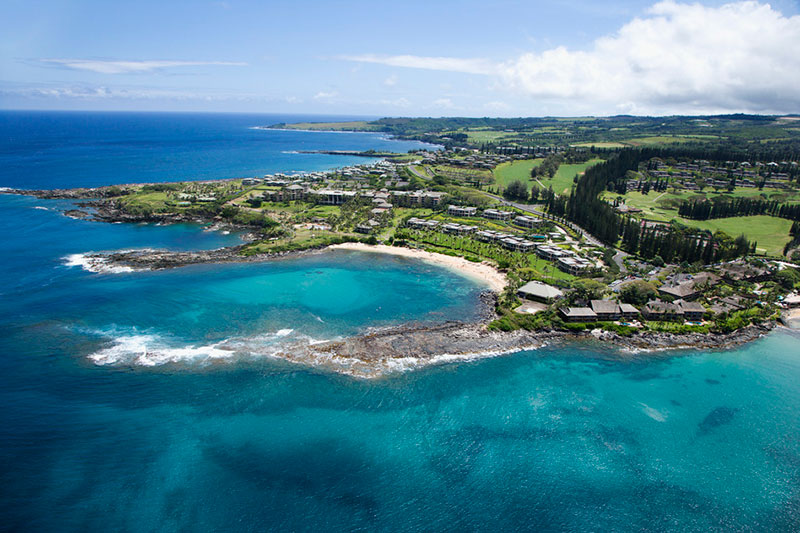
Kaanapali Beach: 3-mile stretch on the west side. Good swimming, snorkelling at Black Rock. Cliff jumping at sunset.
Napili Bay: Small, calm bay good for families and beginners.
Wailea Beach: Upmarket resort beach, calm water.
Big Beach (Makena): Large, less developed beach. Strong waves, not ideal for swimming.
Hamoa Beach: Near Hana, beautiful but can have strong currents.
Black sand beaches: Waianapanapa (near Hana) and Oneuli are the main ones.
Snorkelling
Molokini Crater: Half-submerged volcanic crater with clear water and abundant fish. Boat trips from Maalaea or Kihei, around $80-150. Go early before the crowds.
Honolua Bay: North of Kapalua, good when conditions are calm. Free.
Turtle Town (Maluaka Beach): South Maui, good chance of seeing turtles.
Ahihi-Kinau Natural Area Reserve: Protected area with excellent snorkelling. Limited parking.
Other Activities
Surfing: Beginners head to Lahaina or Kihei. Experienced surfers try Honolua Bay or Hookipa (experts only).
Whale watching: December to April. Humpback whales migrate to Maui’s waters. Boat trips from $40, or watch from shore at Papawai Point.
Ziplining: Several operators on the west and upcountry sides, $100-200.
Luaus: Traditional feast with entertainment. Old Lahaina Luau is well-regarded, $130+.
Costs
Hawaii is expensive. Maui is one of the pricier islands.
Sample prices:
- Restaurant meal: $20-40
- Fast food: $12-15
- Beer at a bar: $7-10
- Coffee: $5-7
- Rental car: $80-150/day (book ahead)
- Petrol: $5-6/gallon
- Snorkel gear rental: $15-25/day
- Budget hotel: $150-200
- Mid-range hotel: $250-400
- Vacation rental: $200-500
Budget tips:
- Shop at Costco (near Kahului airport) for groceries
- Cook some meals if you have a kitchen
- Free beaches are the main attraction
- Book rental car and accommodation well in advance
Getting There and Around
Kahului Airport (OGG) is the main airport. Direct flights from US mainland cities (5-6 hours from LA, 11 hours from NYC).
Rental car: Essential for exploring. Book months ahead, especially in peak season. Some areas (southern Road to Hana loop, Kahekili Highway) may be excluded from rental agreements.
Public transport: Limited Maui Bus service connects main towns but isn’t practical for tourists.
Practical Info
Language: English and Hawaiian are official languages. Use “Hawaiian” only for people of native Hawaiian descent, not general residents.
Tipping: Standard US tipping applies – 15-20% at restaurants, $2-5 for valet.
Weather: Warm year-round, 24-31°C. Wetter on the east and north sides, drier on the south and west. Winter has bigger waves and whale season.
What to pack: Reef-safe sunscreen (required by law), water shoes for rocky beaches, layers for Haleakala.
Visa: Hawaii is a US state. Standard US visa requirements apply.
When to Visit
December-February: Whale season, higher prices, busier.
March-May: Good weather, fewer crowds than winter.
June-August: Peak family travel season, highest prices.
September-November: Lower prices, quieter. Some rain in late fall.
Frequently Asked Questions
Do I need a visa to visit Maui, Hawaii?
Hawaii is a US state, so standard US visa requirements apply. UK citizens can visit visa-free for up to 90 days under the Visa Waiver Program but must obtain ESTA authorization online before travel (costs $21). Canadian citizens need a valid passport. Other nationalities should check US visa requirements.
When is the best time to visit Maui?
The best time depends on your priorities. December-February offers whale watching but higher prices and crowds. March-May provides good weather with fewer crowds. June-August is peak family season with highest prices. September-November has lower prices and quieter attractions, though late fall brings some rain. Weather is warm year-round at 24-31°C.
What currency is used in Maui and how expensive is it?
Maui uses the US Dollar (USD). Hawaii is expensive, with Maui being one of the pricier islands. Budget hotels cost $150-200 per night, mid-range $250-400, and vacation rentals $200-500. Restaurant meals run $20-40, rental cars $80-150/day (book months ahead), and petrol around $5-6 per gallon. Shopping at Costco and cooking some meals helps reduce costs.
What type of power plugs does Maui use?
Maui uses Type A and B plugs (two or three flat pins) standard in the USA. The voltage is 120V. UK and EU visitors will need both a plug adapter and a voltage converter for devices not rated for 120V.
Do I need a rental car in Maui?
Yes, a rental car is essential for exploring Maui properly. The island’s attractions are spread out, and public transport is limited. Book your rental car months ahead, especially during peak season, as prices double for last-minute bookings. Note that some rental agreements exclude certain roads like the southern Road to Hana loop.
What should I pack for Maui?
Essential items include reef-safe sunscreen (required by Hawaii law), water shoes for rocky beaches, layers for visiting Haleakala (it’s cold at altitude), snorkel gear if you have your own (or plan to rent), and a good camera. For the Haleakala sunrise, warm jackets and blankets are necessary as temperatures drop significantly at 3,055 metres elevation.