Things to Do in Singapore: Travel Guide
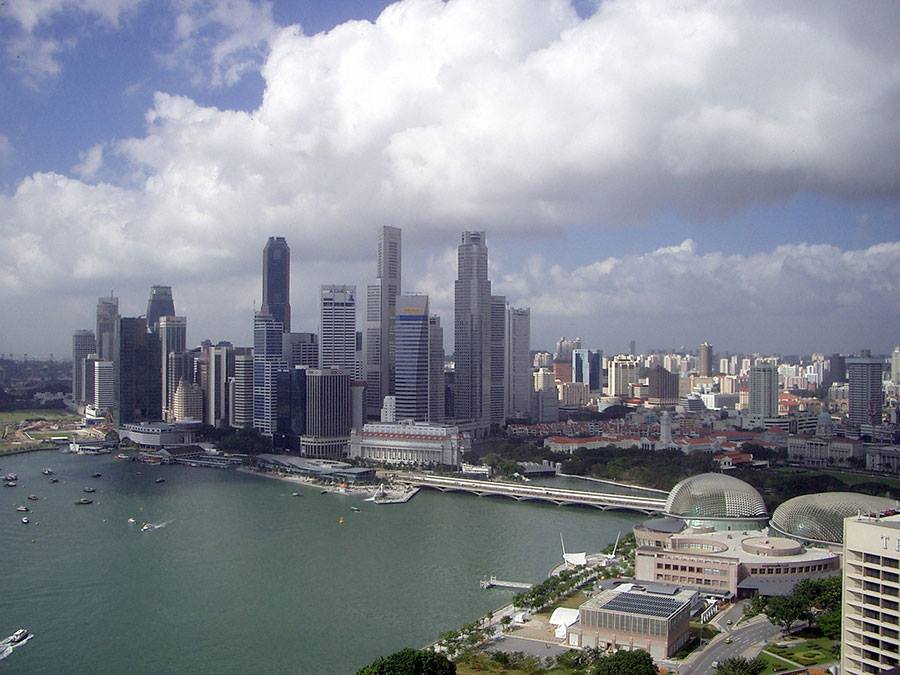
The things to do in Singapore reveal a contradiction that somehow works. It is a tiny island city-state with rules about everything – chewing gum, jaywalking, cleanliness – yet it feels remarkably free and easy to navigate. The skyline is all futuristic glass and steel, but the hawker centres serve the same dishes they have for decades. It is sterile and perfectly organised, yet bursts with colour in Chinatown, Little India, and the botanical gardens.
I have passed through Singapore several times on the way to other places and finally stayed for a proper week. The city rewards more time than a layover allows. The food alone – specifically the hawker centres – would justify the visit, but there is genuine variety here: colonial history, three distinct ethnic neighbourhoods, world-class gardens, and the kind of modern architecture that makes other cities look dated.
Marina Bay
The postcard view of Singapore – the three-towered Marina Bay Sands hotel with its rooftop infinity pool, the ArtScience Museum shaped like a lotus, and the skyline of the financial district reflected in the water. This is where Singapore shows off.
Marina Bay Sands
The iconic hotel dominates the bay. The SkyPark observation deck (S$26 / £16) offers views across the city and strait; the rooftop infinity pool is reserved for hotel guests (and worth seeing even if you cannot swim in it). The complex includes a casino, shopping mall, and several restaurants.
The light and water show on the waterfront runs nightly at 8pm and 9pm (free) – lasers, fountains, and music projected across the bay.
Gardens by the Bay
The futuristic park behind Marina Bay Sands is Singapore’s most impressive modern creation. The Supertrees – vertical gardens up to 50 metres tall, covered in plants and lit up at night – are the signature sight.
Supertree Grove – Free to walk through; the OCBC Skyway walkway between trees costs S$14 (£8.50). The Garden Rhapsody light and sound show runs at 7:45pm and 8:45pm nightly (free).
Cloud Forest – A cooled conservatory with a 35-metre indoor waterfall and mountain of plants from tropical highlands. Entry S$32 (£19) combined with Flower Dome.
Flower Dome – The world’s largest glass greenhouse, Mediterranean-climate plants, and changing floral displays.
The gardens are best visited in late afternoon, staying through sunset and the evening light show.
The Merlion
Singapore’s mascot – a lion-headed fish – spouts water into the bay from Merlion Park. Touristy but photogenic, especially with Marina Bay Sands in the background.
The Neighbourhoods
Singapore’s cultural diversity shows in its distinct ethnic neighbourhoods, each with its own character and food.
Chinatown
The oldest part of the city, now a mix of preserved shophouses, temples, and tourist markets. The heritage architecture is genuine; some of the souvenir shops less so.
Buddha Tooth Relic Temple – A modern temple (completed 2007) built in Tang Dynasty style, housing a tooth relic said to belong to Buddha. The architecture and rooftop garden are impressive. Free entry.
Sri Mariamman Temple – Singapore’s oldest Hindu temple, with an ornate gopuram (tower) covered in colourful deities. In the heart of Chinatown – a reminder of the area’s mixed heritage.
Chinatown Food Street – A pedestrianised street of restaurants. Better for atmosphere than value; the nearby hawker centres are cheaper and more authentic.
Maxwell Food Centre – One of Singapore’s best hawker centres, just south of Chinatown. Tian Tian Hainanese Chicken Rice here is famous.
Little India
The most sensory of Singapore’s neighbourhoods – the smell of spices, the bright colours of saris and flower garlands, Bollywood music from shops. Little India feels less polished than other parts of the city, which is part of its appeal.
Tekka Centre – A wet market and hawker centre selling Indian food, fresh produce, and textiles. The fish head curry stalls are famous.
Sri Veeramakaliamman Temple – A busy Hindu temple dedicated to Kali, with a brightly coloured exterior.
Sunday evenings – Little India comes alive with crowds of migrant workers gathering for their day off. The streets fill with food vendors and the atmosphere is lively.
Kampong Glam
The Malay-Muslim quarter, centred on the golden-domed Sultan Mosque. The area around Arab Street and Haji Lane has evolved into a hipster enclave of cafes, boutiques, and street art.
Sultan Mosque – The largest mosque in Singapore, with a golden dome visible across the neighbourhood. Non-Muslims can enter outside prayer times.
Haji Lane – A narrow street of independent boutiques, cafes, and colourful shophouses. Good for afternoon wandering and coffee.
Colonial District
The British legacy survives in grand colonial buildings – the Raffles Hotel, the National Gallery, the Victoria Theatre. This is also where you find Singapore’s best museums.
Raffles Hotel – The legendary hotel, established 1887 and still operating. The Long Bar serves the original Singapore Sling (S$37 / £22 – expensive but historic). Non-guests can visit the arcade and bars.
National Gallery Singapore – Southeast Asian art in two beautifully restored colonial buildings (the former Supreme Court and City Hall). Entry S$20 (£12).
Food
Singapore takes food seriously. Hawker culture – eating at communal food centres where independent stall holders cook speciality dishes – is UNESCO-listed and central to the city’s identity.
Hawker Centres
Government-regulated food centres with dozens of stalls, each typically specialising in one or two dishes. Cheap, excellent, and the authentic Singapore eating experience.
Maxwell Food Centre – Central location (Chinatown), famous for Tian Tian chicken rice.
Lau Pa Sat – A beautiful Victorian ironwork market building in the financial district. Good range of stalls; the satay street outside opens in the evening.
Old Airport Road Food Centre – Large and local, with excellent variety. Less convenient but more authentic.
Tiong Bahru Market – In the hip Tiong Bahru neighbourhood, with good food and coffee nearby.
What to Eat
Hainanese chicken rice – Poached chicken on fragrant rice, with chilli sauce, ginger paste, and dark soy. Simple and perfect.
Laksa – Spicy coconut curry noodle soup with prawns, tofu puffs, and cockles. The rich, spicy broth is addictive.
Char kway teow – Stir-fried flat noodles with prawns, cockles, Chinese sausage, and egg. The wok hei (charred flavour) is key.
Chilli crab – Singapore’s famous dish: whole crab in sweet-spicy tomato sauce, eaten with mantou (fried buns) to mop up the sauce. Expensive (S$60-100+ / £36-60+ per crab) but worth it.
Satay – Grilled meat skewers with peanut sauce, best from Lau Pa Sat’s evening satay street.
Roti prata – Indian flatbread with curry dipping sauce, available sweet or savoury.
Hawker meals cost S$4-8 (£2.40-4.80). Restaurant meals run S$30-60 (£18-36) for casual dining, more for upmarket places.
Coffee and Kopi
Singapore has two coffee cultures: modern speciality coffee (excellent, with numerous roasters and cafes) and traditional kopi (strong, sweet coffee made with condensed milk, served at kopitiams – coffee shops). Try both.
Kopi-O (black with sugar), Kopi-C (with evaporated milk), or Kopi Gao (extra strong) are common orders.
Other Attractions
Singapore Zoo and Night Safari
The zoo is genuinely excellent – open enclosures, natural habitats, and strong conservation programs. The Night Safari (separate admission, evening only) is unique: a nocturnal zoo where you observe animals under moonlight.
Zoo entry: S$48 (£29). Night Safari: S$55 (£33). Combined tickets available.
Sentosa Island
A resort island connected to the mainland by causeway, monorail, and cable car. Universal Studios Singapore is here, along with beaches, aquariums, and hotels. Good for families and theme park enthusiasts; less essential for others.
Singapore Botanic Gardens
A UNESCO World Heritage Site, with 160 years of history and beautifully maintained grounds. The National Orchid Garden (S$5 / £3) has over 1,000 orchid species. Entry to the main gardens is free.
Orchard Road
The main shopping street – malls stacked on malls, international brands, and air-conditioned relief from the heat. Useful for shopping; not particularly interesting otherwise.
Practical Information
Getting Around
MRT – The metro system is clean, efficient, and covers the entire city. Single trips cost S$1-3 (£0.60-1.80); buy a stored-value EZ-Link card at stations.
Buses – Extensive network, also covered by EZ-Link card.
Taxis and Grab – Readily available and reasonably priced by Western standards. Grab (Southeast Asia’s Uber) is widely used.
Walking – Central areas are walkable, though the heat and humidity can be challenging.
When to Visit
Singapore is hot and humid year-round (30-32°C, high humidity). There is no bad time to visit, but:
December to January – Slightly cooler, with the Orchard Road Christmas light displays.
February – Chinese New Year brings crowds and closures but also festivities.
June to August – Driest months, though rain can fall any time.
The city is well air-conditioned; dress for the weather outside, carry a light layer for indoors.
Costs
Singapore is expensive by Southeast Asian standards, comparable to Western Europe.
- Hostel dorm: S$25-40 (£15-24) per night
- Budget hotel: S$80-150 (£48-90) per night
- Mid-range hotel: S$180-300 (£108-180) per night
- Hawker meal: S$4-8 (£2.40-4.80)
- Restaurant meal: S$30-60 (£18-36)
- Coffee: S$5-8 (£3-4.80)
- Beer at bar: S$12-18 (£7-11)
- MRT single trip: S$1-3 (£0.60-1.80)
Visas
UK, US, EU, and most Western citizens receive visa-free entry for 90 days. Passport must be valid for at least 6 months.
Rules
Singapore is famously strict. Chewing gum is effectively banned (import is restricted). Jaywalking, littering, and eating/drinking on public transport attract fines. Drug trafficking carries the death penalty.
In practice, tourists rarely encounter problems. The rules contribute to the city’s cleanliness and order.
Power
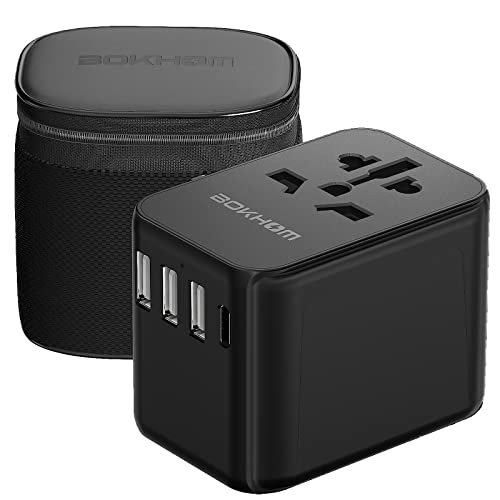
Singapore uses Type G plugs (three rectangular pins, same as UK). Voltage is 230V. UK visitors do not need an adapter.
Language
English is widely spoken and one of four official languages (with Mandarin, Malay, and Tamil). Singlish – a distinctive English-based creole – is commonly heard.
Frequently Asked Questions
Do I need a visa to visit Singapore?
UK, US, EU, and most Western citizens receive visa-free entry for 90 days. Your passport must be valid for at least 6 months beyond your intended stay.
What is the best time to visit Singapore?
Singapore is hot and humid year-round (30-32°C), so there is no bad time to visit. December to January is slightly cooler with Christmas displays, while June to August are the driest months. The city is well air-conditioned, making it comfortable any time of year.
What currency does Singapore use?
Singapore uses the Singapore Dollar (S$). Roughly S$1.70 to £1. ATMs are everywhere and cards are widely accepted. For hawker centres and small shops, carry some cash.
What type of power plugs does Singapore use?
Singapore uses Type G plugs (three rectangular pins, same as UK). Voltage is 230V. UK visitors do not need an adapter, but travellers from other countries will need one.
How expensive is Singapore?
Singapore is expensive by Southeast Asian standards, comparable to Western Europe. Budget travellers can manage on £30-50 per day with hostel dorms and hawker food. Mid-range comfort runs £80-120 per day. Hawker meals cost £2.40-4.80, while restaurant meals run £18-36.
Is Singapore safe to visit?
Singapore is one of the safest cities in the world. The strict rules and enforcement contribute to low crime rates. Tourists rarely encounter problems. The main rules to be aware of: no chewing gum, no jaywalking, no littering, and no eating/drinking on public transport.