There are so many things to do in Chiang Mai that the city captured me in ways Bangkok never did. I spent two weeks there – far longer than planned – drawn into the slower pace, the temples glinting in morning light, the Sunday market where the entire old town becomes a pedestrian food hall, and the mountains rising on the horizon. This is Thailand at its most contemplative, a city where monks collect alms at dawn, where cooking classes teach the secrets of northern Thai cuisine, and where the afternoon heat invites long lunches rather than frantic sightseeing.
Chiang Mai is Thailand’s second city and the cultural capital of the north. It is more relaxed than Bangkok, surrounded by mountains, and has over 300 temples within the city limits. Most visitors come for the old town temples, markets, and as a base for trekking or ethical elephant sanctuaries.
The city was founded in 1296 as the capital of the Lanna Kingdom. The old town still sits within a square moat, and the pace of life here is noticeably slower than Bangkok.
Temples
Chiang Mai has more temples than you could visit in a month. Here are the ones worth prioritising:
Wat Phra That Doi Suthep
The most famous temple in the region, perched on a mountain overlooking the city. The golden chedi (stupa) is reached via a 309-step naga-lined staircase, or by funicular. Views over Chiang Mai are excellent on clear days.
About 16km from the city centre. Songthaew (red truck taxis) run up the mountain throughout the day for around 50-60 THB per person.
Wat Chedi Luang
In the heart of the old town, this temple once housed the Emerald Buddha (now in Bangkok). The central chedi was partially destroyed in a 16th-century earthquake and has been left in its damaged state – which somehow makes it more impressive.
The temple runs “monk chats” where visitors can talk with Buddhist monks about their life and beliefs.
Wat Phra Singh
Another major old town temple, housing an important Buddha image. The architecture represents classic Lanna style. Less crowded than Doi Suthep and worth a visit for the murals alone.
Others Worth Seeing
Wat Umong – Forest temple with meditation tunnels. Peaceful atmosphere away from the tourist crowds.
Wat Suan Dok – White chedis containing royal ashes, beautiful at sunset.
Markets
Night Bazaar
Runs every evening along Chang Klan Road. Tourist-oriented with clothing, souvenirs, and food stalls. Quality varies – bargain hard.
Sunday Walking Street
The main market event. Ratchadamnoen Road in the old town closes to traffic and fills with stalls selling handicrafts, art, and street food. Go hungry. Arrives around 4pm and runs until late.
Saturday Walking Street
Similar to Sunday but along Wualai Road south of the old town. Slightly smaller and less crowded.
Warorot Market
A proper local market, not primarily for tourists. Good for local food, dried goods, and seeing daily Thai life. The nearby flower market is worth a look.
Food
Northern Thai food differs from what you find in Bangkok or the southern beaches.
Khao soi is the signature dish – egg noodles in a rich coconut curry with crispy fried noodles on top. Every restaurant serves it differently. Try several.
Sai ua (northern Thai sausage) is packed with lemongrass, galangal, and herbs. Often served at markets.
Larb in the north is often made with minced pork and served with sticky rice – spicier and more herbaceous than southern versions.
Cooking classes are popular in Chiang Mai. Half-day classes typically include a market visit and 4-5 dishes. Thai Farm Cooking School and Cooking@Home are well-reviewed options.
Elephant Experiences
Chiang Mai has several elephant sanctuaries that offer ethical encounters. These are not the places offering rides – riding is harmful to elephants.
Elephant Nature Park is the most established, run by Lek Chailert. A full day includes feeding and bathing elephants. Book in advance – it fills up.
Elephant Jungle Sanctuary and Ran-Tong offer similar experiences at lower prices.
A full day at an ethical sanctuary costs 2,000-3,000 THB including transport and lunch. Skip any place offering rides, shows, or painting elephants.
Day Trips
Doi Inthanon National Park
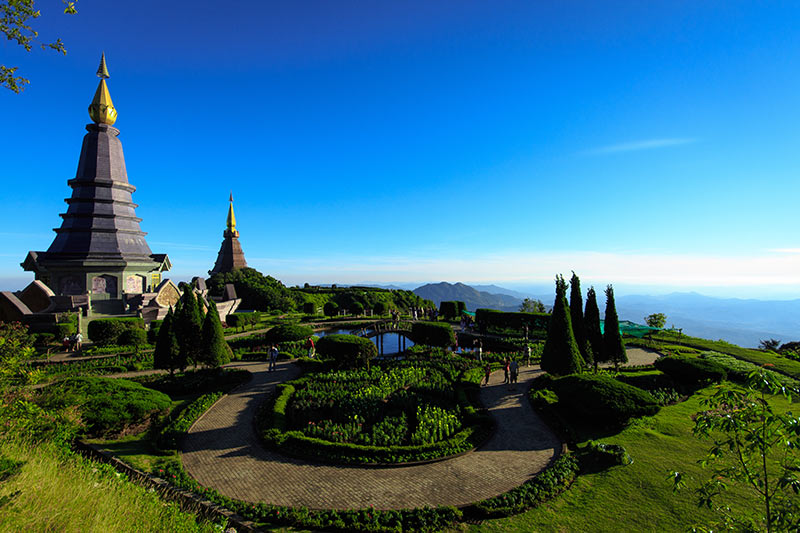
Thailand’s highest peak (2,565m). Cool temperatures, waterfalls, and twin pagodas near the summit. Best visited as a day trip with a car or organised tour.
Pai
A small town in the mountains, about 3 hours north via a winding road with 762 curves. Popular with backpackers and digital nomads. Laid-back atmosphere, waterfalls, and hot springs. Stay overnight rather than rushing it as a day trip.
White Temple (Wat Rong Khun)
Near Chiang Rai, about 3 hours from Chiang Mai. A contemporary Buddhist temple covered in white and mirror mosaic. Striking and unlike traditional temples. Often combined with a visit to the Blue Temple and Black House.
Outdoor Activities
Trekking – Multi-day treks to hill tribe villages and waterfalls. Choose operators carefully – some have better environmental and cultural practices than others.
Zip-lining – Flight of the Gibbon and Skyline Adventure offer canopy tours through the jungle.
Rock climbing – Crazy Horse Buttress offers sport climbing near the city.
Cycling – The countryside around Chiang Mai is flat and good for cycling. Many guesthouses rent bikes.
Practical Information
Getting There
Flights from Bangkok take about 1 hour. AirAsia, Nok Air, and Thai Airways operate multiple daily flights. Chiang Mai Airport is about 15 minutes from the old town.
Trains from Bangkok take 12-15 hours overnight. The sleeper trains are comfortable enough and scenic if you don’t mind the time.
Buses take around 10 hours from Bangkok. VIP buses overnight are reasonably comfortable.
Getting Around
The old town is walkable. For everything else:
Songthaew (red trucks) are the main public transport. Flag one down, tell them your destination, and pay 20-40 THB for trips within the city.
Grab works well in Chiang Mai for taxis and motorbike taxis.
Motorbike rental costs around 150-250 THB per day. Useful for temples and day trips, but Chiang Mai traffic requires attention.
When to Go
November to February – Cool, dry season. Most comfortable weather. Peak tourist season.
March to May – Hot season. Can exceed 40°C. March-April also has burning season (agricultural fires) which affects air quality.
June to October – Rainy season. Afternoon showers but not constant rain. Fewer tourists, lower prices.
Costs
Chiang Mai is cheaper than Bangkok or the islands.
- Budget guesthouses: 300-500 THB/night
- Mid-range hotels: 800-1,500 THB/night
- Street food meal: 40-80 THB
- Restaurant meal: 100-250 THB
- Cooking class: 1,000-1,500 THB
- Elephant sanctuary: 2,000-3,000 THB
Frequently Asked Questions
Do I need a visa to visit Chiang Mai?
Most Western passport holders (including UK, US, and EU citizens) now receive 60 days visa-free entry to Thailand (extended from 30 days in July 2024). The exemption can be extended for another 30 days at an immigration office.
When is the best time to visit Chiang Mai?
November to February is the best time with cool, dry weather. March to May is hot season with temperatures exceeding 40°C and poor air quality from agricultural burning. June to October is rainy season with afternoon showers but fewer tourists and lower prices.
What currency does Thailand use?
Thailand uses the Thai Baht (THB). ATMs are widely available and credit cards are accepted at most hotels and larger restaurants. Cash is useful for street food, markets, and songthaew rides.
What type of power plugs does Chiang Mai use?
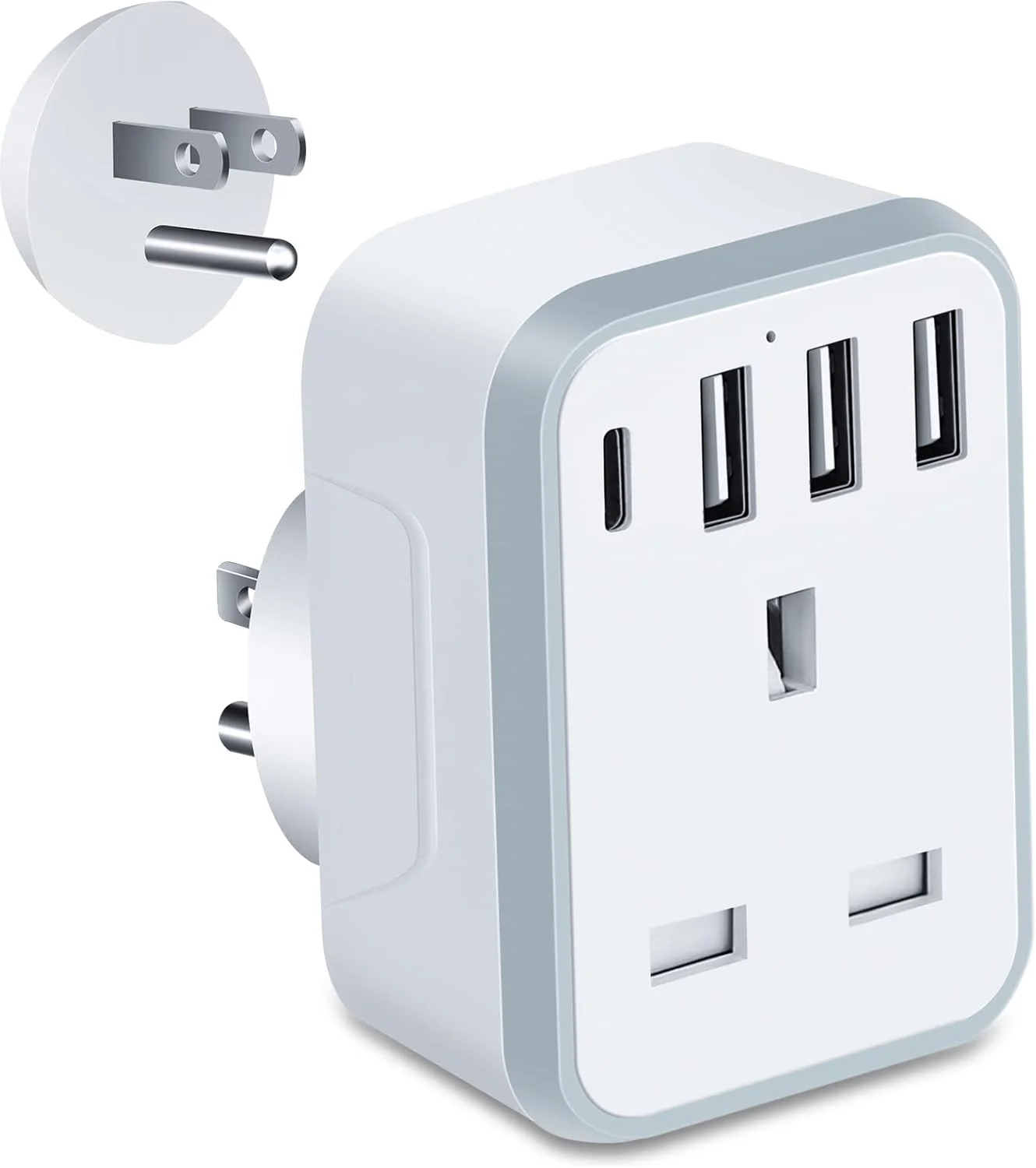
Chiang Mai uses Type A, B, and C plugs with 220V voltage. Most accommodations have outlets that accept various plug types, but bring an adapter if you have UK or other specific plug types.
How much does it cost to visit Chiang Mai?
Chiang Mai is affordable. Budget guesthouses cost 300-500 THB per night, street food meals 40-80 THB, and restaurant meals 100-250 THB. Cooking classes cost 1,000-1,500 THB, and ethical elephant sanctuary visits 2,000-3,000 THB.
Are elephant rides ethical in Chiang Mai?
No, elephant riding is harmful to elephants. Choose ethical sanctuaries like Elephant Nature Park, Elephant Jungle Sanctuary, or Ran-Tong where you can feed and bathe elephants without riding them. Skip any place offering rides, shows, or painting elephants.