New Zealand Holidays: Travel Guide & Tips
New Zealand holidays ruined other landscapes for me. I spent three weeks driving both islands, and by the end I had become numb to views that would have stopped traffic anywhere else. Mountains, glaciers, fiords, volcanoes, beaches, rainforests – the variety packed into a country smaller than Britain is absurd. Every hour of driving brought something different.
The Maori call it Aotearoa, the land of the long white cloud, and the name fits – low clouds draping over green hills, mist rising from geothermal vents, fog rolling into harbours. The country feels ancient and new at the same time, geological forces still actively shaping the land while humans have only been here for 800 years.
I came for the scenery and discovered that New Zealand’s real appeal is how easy it makes adventure accessible. Bungee jumping, glacier hiking, kayaking through fiords, tramping multi-day trails – all of it is organised, safe, and available to people who have never done anything adventurous in their lives. The country has turned outdoor experiences into an art form.
North Island vs South Island
The two main islands have different characters, and most visitors cannot do both justice in under three weeks.
North Island – More populated, warmer, culturally richer. Auckland is here, along with Rotorua’s geothermal activity, Wellington’s cafe culture, and the Bay of Islands’ beaches. Maori culture is more visible and accessible.
South Island – More dramatic scenery, fewer people. Queenstown, Milford Sound, glaciers, Mount Cook, and the best hiking. The Southern Alps dominate the landscape.
If you only have two weeks, choose one island and do it properly rather than rushing between both. If you have three weeks, the classic route is Auckland to Queenstown (or vice versa) via the highlights.
North Island Highlights
Auckland and Northland
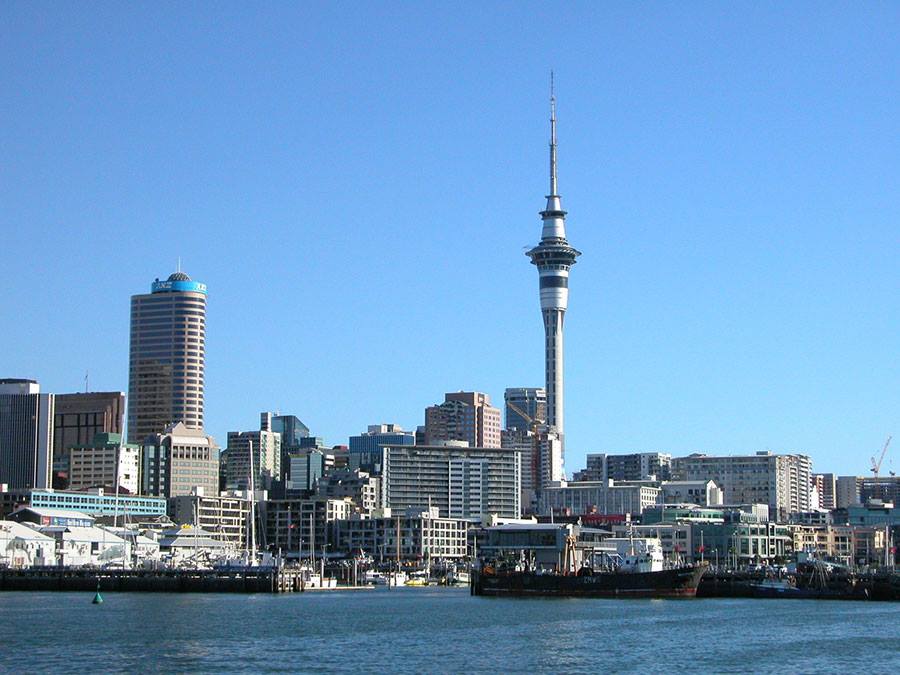
Auckland is the arrival point for most visitors – a city built across volcanic cones between two harbours. Worth a few days for the islands (Waiheke for wine, Rangitoto for hiking) and the volcanic views.
North of Auckland, the Bay of Islands offers beaches, Maori history, and sailing. Waitangi Treaty Grounds is where New Zealand began as a nation – the treaty between Maori chiefs and the British Crown was signed here in 1840. Cape Reinga at the northern tip is sacred to Maori as the departure point for souls.
Rotorua
The geothermal heart of New Zealand, where the earth steams and bubbles. The smell of sulphur hits you as you enter town. Geysers erupt on schedule at Te Puia and Wai-O-Tapu, mud pools burble, and hot springs dot the region.
Rotorua is also the best place to experience Maori culture. Evening cultural performances with hangi (earth-cooked feast) are touristy but genuine – the songs, dances, and haka have real meaning. Te Puia and Tamaki Maori Village are the main options.
Other activities: the Redwoods forest (mountain biking and treewalk), lake kayaking, and white water rafting on the Kaituna River (the highest commercially rafted waterfall in the world).
Taupo and Tongariro
Lake Taupo sits in an ancient supervolcano caldera, with Tongariro National Park rising to the south. The Tongariro Alpine Crossing is one of New Zealand’s most famous day hikes – 19.4km across volcanic terrain, past emerald lakes and steam vents. The volcanoes here are active; Mount Ruapehu last erupted in 2007.
The crossing is demanding (7-8 hours) and weather-dependent. Book transport ahead – it is a point-to-point walk.
Wellington
The capital sits at the southern tip of the North Island, compact and cultured. The museum Te Papa Tongarewa is world-class and free – Maori history, natural history, and New Zealand’s story told brilliantly. The waterfront, Cuba Street’s cafe culture, and the hilltop views from the cable car make Wellington worth two days.
From Wellington, ferries cross the Cook Strait to the South Island (3.5 hours, often rough).
South Island Highlights
Marlborough and Nelson
The ferry arrives in Picton, gateway to the Marlborough Sounds (drowned river valleys, excellent kayaking) and the wine region. Marlborough produces 75% of New Zealand wine, mostly Sauvignon Blanc. Wine tours are easy to arrange.
The Abel Tasman Coast Track runs along golden beaches and turquoise water near Nelson – one of New Zealand’s Great Walks, manageable in 3-5 days or as day trips by water taxi.
West Coast and Glaciers
The wild west coast has rainforest, rugged beaches, and two accessible glaciers. Franz Josef and Fox Glaciers descend from the Southern Alps almost to sea level – unusual for temperate glaciers.
Glacier walks and heli-hikes let you explore the ice. The glaciers have retreated significantly in recent decades, making the experience both impressive and sobering. Book ahead; weather cancellations are common.
Queenstown
The adventure capital of New Zealand, wedged between mountains and a lake. Queenstown invented commercial bungee jumping and has been adding adrenaline activities ever since. The options: bungee (several sites including the original Kawarau Bridge), skydiving, jet boating, paragliding, canyon swinging, and skiing in winter.
Even without the adventure stuff, Queenstown’s setting is spectacular. The Skyline gondola offers views over the lake and mountains. The nearby Gibbston Valley has excellent wineries (Pinot Noir is the specialty).
Queenstown is touristy and expensive, but it earns its reputation.
Milford Sound
The most famous of New Zealand’s fiords – sheer cliffs rising 1,200 metres from the water, waterfalls cascading down after rain, and seals, dolphins, and penguins in the water. The drive from Queenstown (4 hours each way) is spectacular in itself, through alpine landscapes and the Homer Tunnel.
Most visitors take a cruise (2 hours, from NZ$70 / £35). Overnight cruises and kayaking trips offer more immersion. The Milford Track, one of New Zealand’s Great Walks, ends here (4 days, requires booking months ahead).
Doubtful Sound, further south, is harder to reach but emptier and arguably more dramatic.
Mount Cook and the Southern Alps
Aoraki/Mount Cook, New Zealand’s highest peak at 3,724 metres, dominates the Southern Alps. The village at its base is tiny, but the hiking is extraordinary. The Hooker Valley Track (3 hours return) leads through glacial valleys to a lake below the mountain. For serious mountaineers, Mount Cook was Edmund Hillary’s training ground before Everest.
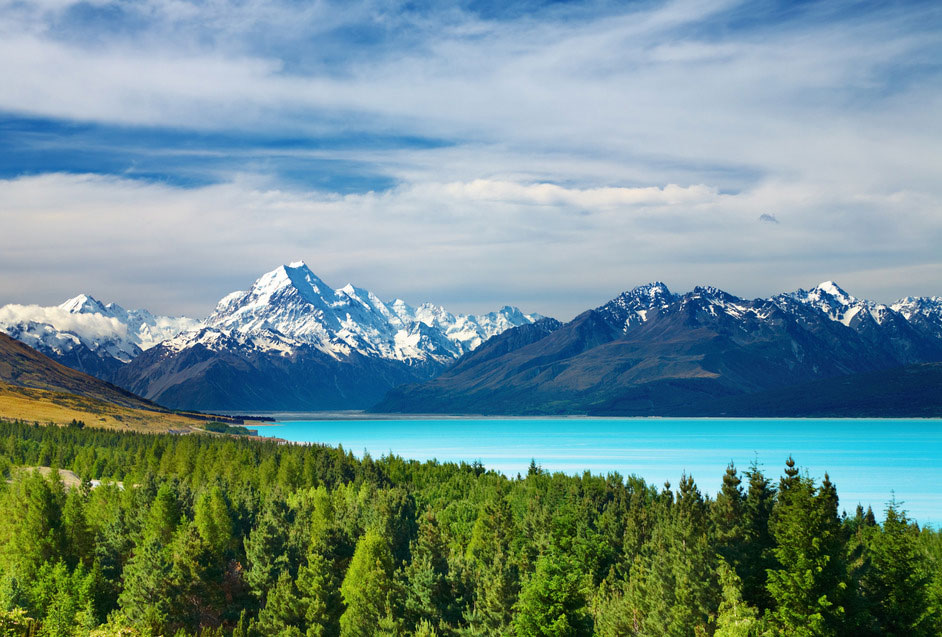
The drive from Queenstown passes Lake Pukaki, whose milky turquoise colour (from glacial flour) against the mountains is one of New Zealand’s most photographed scenes.
Adventure Activities
New Zealand has commercialised adventure in the best sense – making extreme experiences accessible to ordinary people with proper safety standards.
Bungee Jumping
Invented here in 1988 at the Kawarau Bridge near Queenstown. Multiple sites now offer jumps from bridges, platforms, and stadiums. The Nevis Bungy (134 metres) is the highest in Australasia. Expect to pay NZ$200-300 (£100-150) per jump.
Skydiving
Tandem jumps are available across the country. Queenstown offers jumps over mountains and lakes; Lake Taupo has excellent views. From NZ$300-500 (£150-250) depending on altitude.
Hiking (Tramping)
New Zealand’s Great Walks are nine multi-day trails through the best scenery – Milford Track, Routeburn Track, Abel Tasman, Tongariro Northern Circuit, and others. Most require booking during peak season (October-April). Department of Conservation huts provide basic accommodation.
Shorter day walks are everywhere. The DOC website has detailed information on tracks across the country.
Glacier Experiences
Franz Josef and Fox Glaciers offer guided walks, heli-hikes (helicopter to the ice, then walking), and ice climbing. The experience depends heavily on weather. From NZ$150-450 (£75-225) depending on the activity.
Water Activities
Kayaking through Milford Sound, Abel Tasman, or the Marlborough Sounds. White water rafting on the Shotover, Kaituna, or Rangitiki rivers. Jet boating through narrow canyons (the Shotover Jet in Queenstown is the classic).
Practical Information
Getting There
Most international flights arrive in Auckland; some land in Christchurch. Air New Zealand is the main carrier, with connections from London (via Asia or the Pacific), Australia, and the Americas.
The flight from London takes 24+ hours with at least one stop. Stopovers in Singapore, Hong Kong, or Los Angeles are common.
Getting Around
Driving – The best way to see New Zealand. Distances are manageable (Auckland to Wellington is 650km, about 8 hours), roads are good, and traffic is light outside cities. Drive on the left. Rental cars are widely available; book campervans well ahead in summer.
Buses – InterCity and Naked Bus connect major towns. Cheaper than driving but slower and less flexible.
Domestic flights – Air New Zealand and Jetstar connect Auckland, Wellington, Christchurch, Queenstown, and regional airports. Useful for saving time on long distances.
Ferry – The Interislander and Bluebridge ferries cross Cook Strait between Wellington and Picton (3.5 hours). Book ahead in peak season; car spaces sell out.
When to Visit
December to February (Summer) – The best weather and peak tourist season. Book accommodation, Great Walk huts, and popular activities well ahead. Prices are highest.
March to May (Autumn) – Excellent weather, fewer crowds, and autumn colours. Many visitors’ favourite time.
June to August (Winter) – Ski season in Queenstown and the Southern Alps. The South Island can be cold; some roads close. The North Island is mild but wetter.
September to November (Spring) – Variable weather, lambing season, and fewer tourists. Good for budget travellers.
Costs
New Zealand is expensive, similar to Australia or Western Europe.
- Hostel dorm: NZ$30-50 (£15-25) per night
- Budget hotel/motel: NZ$100-160 (£50-80) per night
- Mid-range hotel: NZ$180-300 (£90-150) per night
- Campervan rental: NZ$100-200 (£50-100) per day
- Cafe meal: NZ$20-30 (£10-15)
- Restaurant dinner: NZ$40-70 (£20-35)
- Petrol: NZ$2.50-3.00 (£1.25-1.50) per litre
- Milford Sound cruise: NZ$70-150 (£35-75)
- Bungee jump: NZ$200-300 (£100-150)
Visas
UK, US, Canadian, and most European citizens can visit visa-free for up to 6 months. You may need to apply for a NZeTA (Electronic Travel Authority) before travelling – check current requirements.
Power
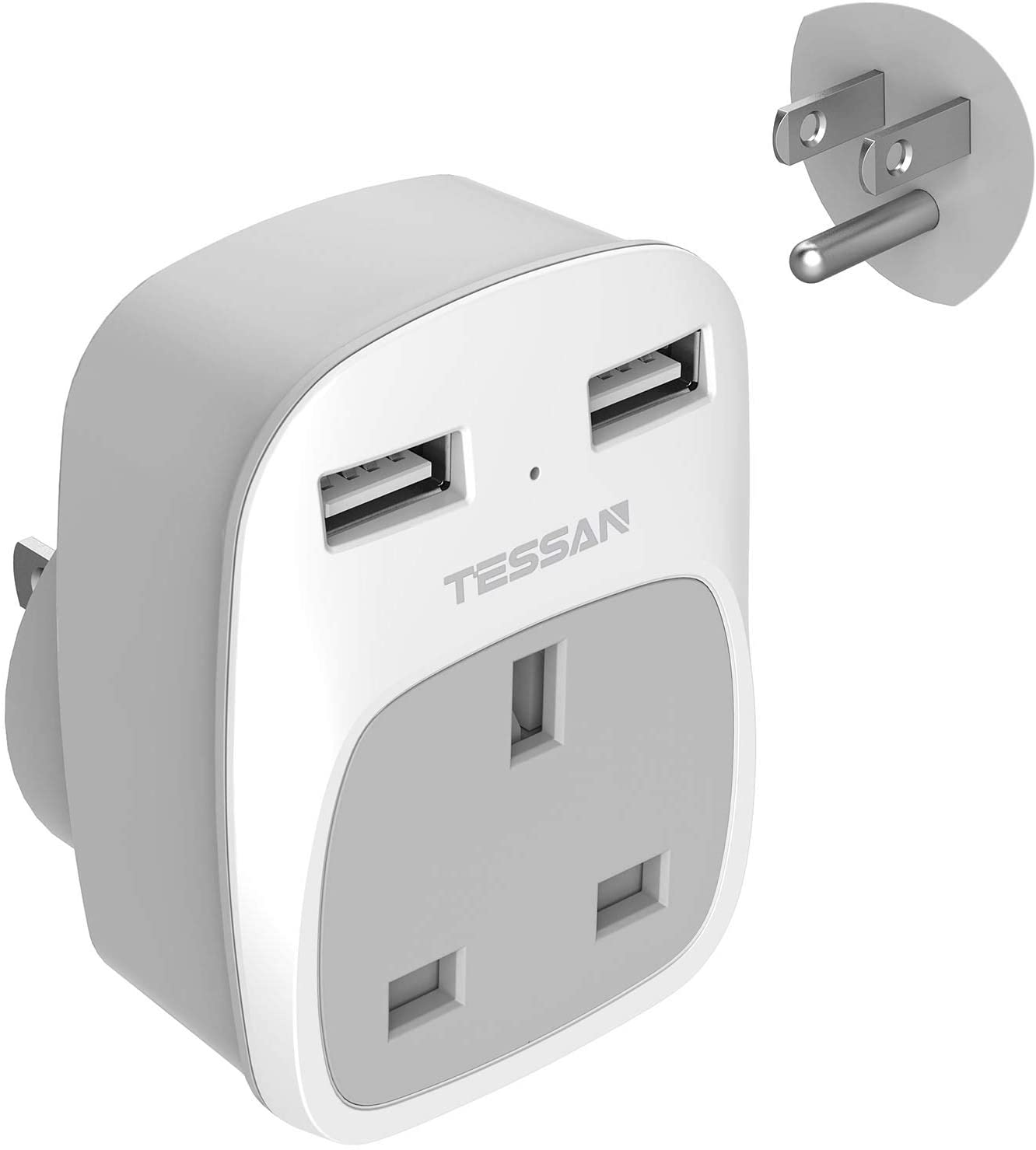
New Zealand uses Type I plugs (three flat pins in a triangle, same as Australia). Voltage is 230V. UK visitors need a travel adapter.
Tipping
Not expected in New Zealand. Service charges are not added, and wages are reasonable. Tipping for exceptional service is appreciated but not required.
Frequently Asked Questions
Do I need a visa to visit New Zealand?
UK, US, Canadian, and most European citizens can visit New Zealand visa-free for up to 6 months for tourism. However, you may need to apply for a NZeTA (Electronic Travel Authority) before travelling. Check current requirements on the official New Zealand immigration website, as rules can change.
When is the best time to visit New Zealand?
December to February (summer) offers the best weather but is peak tourist season with highest prices – book well ahead. March to May (autumn) provides excellent weather, fewer crowds, and beautiful autumn colours. June to August (winter) is ski season in Queenstown and the Southern Alps. September to November (spring) has variable weather but fewer tourists and lower prices.
What is the currency in New Zealand?
The New Zealand Dollar (NZ$) is the local currency, with exchange rates around NZ$2 to £1. Credit and debit cards are widely accepted throughout the country. ATMs are readily available in towns and cities. Contactless payment is common in urban areas.
How much does a trip to New Zealand cost?
New Zealand is expensive, comparable to Australia or Western Europe. Budget NZ$100-150 (£50-75) per day for hostels and cheap meals, NZ$300-500 (£150-250) for mid-range hotels and restaurants. Campervan rental costs NZ$100-200 (£50-100) per day. Adventure activities add significantly – expect NZ$200-300 (£100-150) for bungee jumping or skydiving.
Is New Zealand safe for tourists?
New Zealand is one of the safest countries in the world for tourists. Violent crime is rare, and locals are generally friendly and helpful. The main safety concerns are driving (especially on winding mountain roads), outdoor activities (weather can change rapidly), and wildlife (be aware of currents when swimming). Always check weather conditions before hiking.
Should I visit the North Island or South Island?
Both islands offer different experiences. The North Island has more Maori culture, geothermal activity in Rotorua, and Auckland. The South Island has more dramatic scenery with Queenstown, Milford Sound, glaciers, and Mount Cook. If you only have two weeks, choose one island and explore it properly. With three weeks, you can experience highlights of both.