Greenland Holidays: Arctic Travel Guide
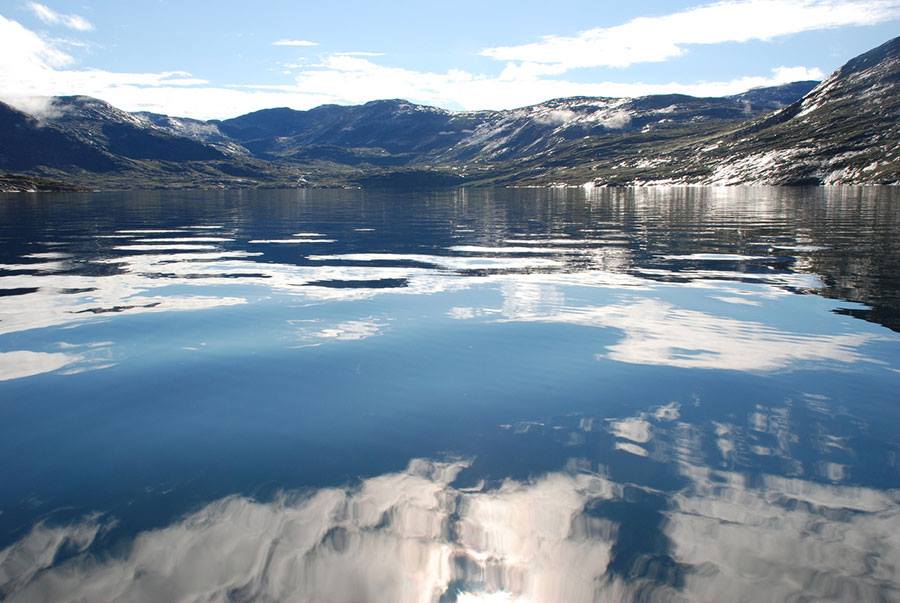
Greenland holidays are not for the faint-hearted or the budget-conscious. I spent eight days there – flying into Ilulissat, taking boats among icebergs, and watching the midnight sun paint glaciers in impossible colours – and came away convinced I had visited somewhere genuinely extraordinary. This is one of the last wilderness frontiers on Earth: the world’s largest island, 80% covered in ice, with a population of just 56,000 spread across settlements connected only by air and sea.
The scale is difficult to comprehend. The Greenland Ice Sheet is up to three kilometres thick. Icebergs the size of apartment blocks drift silently through fjords. The silence, away from settlements, is absolute. And yet there is warmth here too – in the colourful wooden houses, in the resilience of Inuit culture, and in the welcome of communities where visitors are still something of an event.
This is expensive, remote, and logistically challenging. But for those seeking genuine wilderness and dramatic landscapes, nothing else compares.
Ilulissat and the Icefjord
The town of Ilulissat (population 4,500) is the most visited destination in Greenland, and with good reason. The Ilulissat Icefjord is a UNESCO World Heritage Site where the Sermeq Kujalleq glacier calves enormous icebergs into the sea – roughly 20 billion tonnes of ice per year.
The Icefjord
Walking trails from town lead to viewpoints overlooking the fjord, where icebergs queue up to drift out to sea. The scale is extraordinary – some icebergs stand 100 metres above the water, with much more below. They move imperceptibly, groan and crack, and occasionally calve dramatically.
Boat tours take you among the icebergs, dwarfed by frozen walls of blue and white. Sailing boats, rigid inflatable boats, and larger cruise vessels all offer different experiences. A two-hour RIB tour costs around DKK 800-1,200 (£90-135); longer excursions to the glacier front are available.
Midnight sun cruises in June and July let you watch icebergs change colour as the sun dips towards the horizon without setting. Worth every moment.
The Town
Ilulissat itself is worth exploring – colourful houses clinging to rocky outcrops, sled dogs tethered outside (there are more dogs than people), and the Ilulissat Art Museum showcasing work inspired by the Arctic landscape. The birthplace of explorer Knud Rasmussen is now a museum (DKK 60 / £7).
The fish market near the harbour sells freshly caught halibut and shrimp. The local Greenlandic restaurants serve traditional dishes – many visitors find these an acquired taste.
Disko Bay and Disko Island
The bay surrounding Ilulissat includes several interesting destinations accessible by boat.
Disko Island
The largest island in Disko Bay has dramatic basalt formations, hot springs, and the colourful town of Qeqertarsuaq. Hiking trails lead through volcanic landscapes; whales are frequently spotted in surrounding waters. Ferries run from Ilulissat (DKK 400-600 / £45-70 each way); the crossing takes about two hours.
Whale Watching
Humpback whales and fin whales feed in Disko Bay from June to October. Tours from Ilulissat combine whale watching with iceberg viewing – the combination of spouting whales against a backdrop of icebergs is remarkable. Tours cost DKK 1,000-1,500 (£115-170).
Nuuk
Greenland’s capital is surprisingly cosmopolitan for its size (19,000 people). This is where modern Greenland is most visible – government buildings, university, bars, and restaurants alongside traditional elements.
Greenland National Museum
The essential cultural introduction to Greenland. The Qilakitsoq mummies – eight 500-year-old mummified bodies including a six-month-old infant, naturally preserved by cold – are remarkable. The museum traces Inuit history from the earliest arrivals through European contact to the present. Entry DKK 75 (£8.50).
Nuuk Art Museum
Contemporary Greenlandic art in a converted warehouse. The collection includes works by Emanuel A. Petersen and other artists who captured Arctic landscapes. Entry DKK 50 (£5.70).
The Old Harbour
The original settlement area has traditional buildings including the 18th-century cathedral and colonial-era warehouses. The contrast with the modern concrete apartment blocks elsewhere in town is striking.
South Greenland
The southern region has the mildest climate, Norse ruins, and hot springs – a different character from the ice-dominated north.
Qaqortoq
The largest town in South Greenland (3,000 people) has colourful buildings, hot springs, and an unusual open-air gallery: local artists have carved over 40 sculptures into rocks around the town. The hot springs at Uunartoq Island, reached by boat, offer bathing with views of icebergs – a surreal experience. Tours cost DKK 1,200-1,800 (£135-200).
Norse Ruins
Vikings settled South Greenland around 985 AD and remained for about 500 years before mysteriously disappearing. The ruins at Hvalsey include the best-preserved Norse church in Greenland – the last written record of the Norse in Greenland is a wedding held here in 1408.
Qassiarsuk (near modern Narsarsuaq) was the site of Erik the Red’s farm, Brattahlíð. A reconstructed longhouse and church give a sense of Viking life at the edge of the known world.
Northern Lights
Greenland offers some of the world’s best Northern Lights viewing, with dark skies, minimal light pollution, and frequent aurora activity from September to early April.
Best Locations
Kangerlussuaq – The former US air base on the edge of the ice sheet has the clearest skies in Greenland (over 300 clear nights per year). Tours from town drive onto the ice sheet for unobstructed viewing.
Ilulissat – Icebergs and aurora make a spectacular combination.
Nuuk and Qaqortoq – More accessible but with more cloud cover.
Tours
Northern Lights tours cost DKK 800-1,500 (£90-170) and typically run four to five hours, heading to locations away from town lights. Guides provide hot drinks and warm clothing; patience is required.
No guarantees – the aurora is weather-dependent and solar-activity-dependent. Multiple nights improve your chances.
Activities
Dog Sledding
Traditional sled dogs remain a working part of Greenlandic life – more dogs than people live in some northern communities. Winter dog sledding trips range from short excursions to multi-day expeditions across the ice. The experience – the rhythm of running dogs, the silence of the ice, the vast landscapes – stays with you long after you leave.
Short tours from Ilulissat cost DKK 1,500-2,500 (£170-285); longer expeditions are available.
Hiking
Summer hiking reveals Greenland’s wildflower-carpeted tundra and ice-carved landscapes. The Arctic Circle Trail is a 165km route from Kangerlussuaq to Sisimiut, walkable in 9-11 days – one of the world’s most remote long-distance trails.
Shorter day hikes around Ilulissat, Nuuk, and other settlements require no guide. Proper preparation is essential – weather changes rapidly and rescue services are limited.
Kayaking
Sea kayaking originated with the Greenlandic Inuit, and paddling among icebergs connects you to that tradition. Guided tours operate from Ilulissat and other settlements; previous kayaking experience is typically required for ice navigation. Tours cost DKK 1,200-2,000 (£135-225).
Boat Tours
Boats are essential for experiencing Greenland’s coastline and icebergs. Options range from small RIBs to larger expedition vessels. Glacier cruises, whale watching, fishing trips, and transfers between settlements all operate by boat.
Greenlandic Food
Traditional Greenlandic cuisine is based on what the land and sea provide – marine mammals, fish, and game.
Traditional Dishes
Mattak – Raw whale skin with blubber. An acquired taste; the texture is chewy, the flavour mild.
Suaasat – Traditional soup made with seal, whale, reindeer, or seabird, with onions and rice or barley.
Dried fish – Wind-dried Arctic char and other fish, eaten as snacks.
Musk ox – Tender and lean, served in restaurants as steaks or stews.
Ammassat – Dried capelin, eaten whole.
Modern restaurants in larger towns serve international cuisine alongside traditional dishes. Fresh seafood – halibut, shrimp, snow crab – is excellent.
Drink
Alcohol is expensive (DKK 50-80 / £5.70-9 for a beer) and restricted in some communities due to social concerns. Coffee is the daily drink; Greenlandic coffee (with whisky and Kahlúa) is a warming speciality.
Practical Information
Getting There
From Denmark – Air Greenland flies from Copenhagen to Kangerlussuaq (4.5 hours), Nuuk, and Ilulissat. Icelandair flies from Reykjavik to Nuuk and Ilulissat.
From Iceland – Icelandair connects Reykjavik with Greenland destinations (2-3 hours).
Flights are expensive – expect DKK 5,000-10,000 (£570-1,140) return from Copenhagen.
Getting Around
There are no roads between settlements – travel is by air or sea.
Domestic flights – Air Greenland operates small aircraft between towns. Flights are weather-dependent and cancellations common; build flexibility into your schedule.
Ferries – Arctic Umiaq Line operates coastal ferries connecting west coast settlements. Slow but scenic; the full route takes several days.
Helicopters – Used for some remote destinations and connections.
Boats – Local boats and tours are essential for exploring around settlements.
When to Visit
June to August – Summer. Midnight sun in the north, hiking conditions, boat access to most destinations. Icebergs at their most active. Peak season with highest prices.
September to early October – Autumn. Shorter days, Northern Lights begin, fewer tourists.
Late February to April – Late winter. Dog sledding conditions, Northern Lights, increasing daylight.
November to January – Darkest months. Limited tourism infrastructure; primarily Northern Lights viewing.
Costs
Greenland is expensive – among the most expensive destinations in the world.
- Budget hotel/guesthouse: DKK 800-1,200 (£90-135) per night
- Mid-range hotel: DKK 1,500-2,500 (£170-285) per night
- Restaurant meal: DKK 200-400 (£23-45)
- Beer: DKK 50-80 (£5.70-9)
- Iceberg boat tour: DKK 800-1,500 (£90-170)
- Dog sledding: DKK 1,500-2,500 (£170-285)
- Domestic flight: DKK 1,000-3,000 (£115-340)
Budget travel is essentially impossible – accept the costs or choose a different destination.
Visas
Greenland is part of the Kingdom of Denmark but outside the Schengen Area. UK citizens can visit visa-free for up to 90 days. Passport must be valid for the duration of stay.
Currency
Danish Krone (DKK). Card payments widely accepted in towns; cash useful in smaller settlements. ATMs exist in larger towns only.
Language
Greenlandic (Kalaallisut) is the official language; Danish is widely spoken. English is common in tourism but limited elsewhere. Learning basic Greenlandic phrases is appreciated.
Health and Safety
No vaccinations required. Tap water is safe. Medical facilities are limited outside Nuuk – travel insurance with evacuation coverage is essential.
Weather conditions can change rapidly. Dress in layers; bring proper outdoor gear. Wildlife encounters (polar bears in the north) require awareness and precautions.
Power
Greenland uses Type C, E, F, and K plugs (two round pins). Voltage is 230V. UK visitors need a travel adapter.
Frequently Asked Questions
Do I need a visa to visit Greenland?
Greenland is part of the Kingdom of Denmark but outside the Schengen Area. UK, EU, US, Canadian, and Australian citizens can visit visa-free for up to 90 days for tourism. Your passport must be valid for the duration of your stay. While Greenland has different visa rules from Denmark, most nationalities that don’t need a Schengen visa also don’t need one for Greenland.
What is the best time to visit Greenland?
June to August is peak season for midnight sun, hiking, and boat tours among icebergs. September to early April offers Northern Lights viewing. Late February to April combines dog sledding, aurora, and increasing daylight. November to January are the darkest months with limited tourism infrastructure. Summer has the highest prices but the most activities available.
What currency does Greenland use and how much does it cost?
Greenland uses the Danish Krone (DKK). It’s among the world’s most expensive destinations: budget hotels cost DKK 800-1,200 (£90-135) per night, mid-range hotels DKK 1,500-2,500 (£170-285), restaurant meals DKK 200-400 (£23-45), and a beer DKK 50-80 (£5.70-9). Tours range from DKK 800-2,500. Budget travel is essentially impossible – plan accordingly.
Is Greenland safe for tourists?
Greenland is very safe in terms of crime. The main safety concerns are environmental: rapidly changing weather conditions, limited medical facilities outside Nuuk, and the remoteness of locations. Travel insurance with medical evacuation coverage is essential. Wildlife awareness (polar bears in the north) and proper outdoor gear are necessary. Rescue services are limited due to the vast distances.
How do you get around Greenland?
There are no roads between settlements – travel is only by air or sea. Air Greenland operates small aircraft between towns (flights are weather-dependent and cancellations are common). Arctic Umiaq Line runs coastal ferries on the west coast. Helicopters serve some remote destinations. Build flexibility into your schedule for weather delays.
Can you see the Northern Lights in Greenland?
Yes, Greenland offers excellent Northern Lights viewing from September to early April. Kangerlussuaq has the clearest skies (over 300 clear nights per year) and tours onto the ice sheet. Ilulissat combines aurora with icebergs for spectacular views. Tours cost DKK 800-1,500 (£90-170). Success depends on solar activity and weather – multiple nights improve your chances.