Canada Holidays: Best Places to Visit
Canada holidays reveal an impossibly vast country. I have visited three times over the years – the Rockies, British Columbia, and the eastern provinces – and I have barely scratched the surface of the world’s second-largest country. The scale takes getting used to: driving for hours through unchanged wilderness, flying for five hours and still being in the same country, realising that the distance from Toronto to Vancouver is roughly the same as London to Baghdad.
What surprised me most was the diversity. French-speaking Quebec feels like a different country from English-speaking Ontario. The dramatic Pacific coastline of British Columbia has nothing in common with the flat prairies of Saskatchewan. The Rockies are as spectacular as any mountains on Earth, while the maritime provinces have a quiet, European charm. Every region rewards exploration.
The Canadian Rockies
The mountain range straddling Alberta and British Columbia is Canada’s most dramatic landscape – turquoise glacier-fed lakes, towering peaks, and wildlife that makes European visitors catch their breath.
Banff National Park
Canada’s first national park and still its most famous. The town of Banff sits at 1,400 metres, surrounded by peaks that rise another kilometre above it.
Lake Louise – The iconic view: turquoise water, Victoria Glacier rising behind, the Chateau Lake Louise on the shore. It is beautiful and it is crowded. Arrive early morning or late afternoon for photographs without tourists. The walk around the lake shore is easy; the hike to Lake Agnes Teahouse (3.4km, 365m elevation gain) offers better views and a reward of tea and fresh scones.
Moraine Lake – Arguably more beautiful than Lake Louise, in a valley surrounded by ten peaks. The road closes in winter; in summer, it fills by 6am on busy days. Worth the early start.
Banff Gondola – The cable car up Sulphur Mountain takes eight minutes and deposits you at 2,281 metres with panoramic views. CAD 76 (£45) return. The summit has walkways, a restaurant, and boardwalks to Sanson Peak.
Lake Minnewanka – The largest lake in Banff, good for boat tours (CAD 75 / £44 for 1.5 hours), kayaking, and wildlife viewing.
Park entry costs CAD 11 (£6.50) per person per day, or CAD 75 (£44) for an annual Discovery Pass covering all Canadian national parks.
Jasper National Park
Larger and less developed than Banff, with darker skies and fewer crowds. The town of Jasper is smaller and more laid-back than Banff.
Columbia Icefield – The largest icefield in the Rocky Mountains, with glaciers accessible from the Icefields Parkway. The Glacier Adventure takes you onto the Athabasca Glacier in an Ice Explorer vehicle (CAD 109 / £64). The Glacier Skywalk is a glass-floored platform jutting over a cliff (CAD 39 / £23).
Maligne Lake – A 22km lake with boat tours to Spirit Island, one of Canada’s most photographed locations. Tours cost CAD 85 (£50) for 90 minutes.
Miette Hot Springs – The hottest mineral springs in the Canadian Rockies. Entry CAD 8 (£4.70).
Icefields Parkway
The 230km highway between Lake Louise and Jasper is one of the world’s great drives. Allow a full day minimum, stopping for glaciers, waterfalls, and wildlife. Fuel is expensive and stations are sparse – fill up before leaving.
British Columbia
The westernmost province has rainforests, islands, and cities that consistently rank among the world’s most liveable. See our full British Columbia travel guide for more detail on whale watching, Whistler, and Okanagan wine country.
Vancouver
The city occupies one of the world’s most spectacular settings – ocean, mountains, and forest all visible from downtown. It is expensive, multicultural, and genuinely beautiful.
Stanley Park – A 1,000-acre urban forest accessible by the seawall walking and cycling path (9km around the perimeter). The totem poles, beaches, and forest trails are free to explore.
Granville Island – A former industrial site now home to the Public Market, galleries, breweries, and restaurants. The market sells local produce, seafood, and artisan goods.
Gastown – The historic district with cobbled streets, Victorian architecture, and the famous steam clock. Now gentrified with boutiques and restaurants.
Capilano Suspension Bridge – A 137-metre bridge swaying 70 metres above the canyon floor. Touristy but impressive. CAD 63 (£37) entry.
Whistler
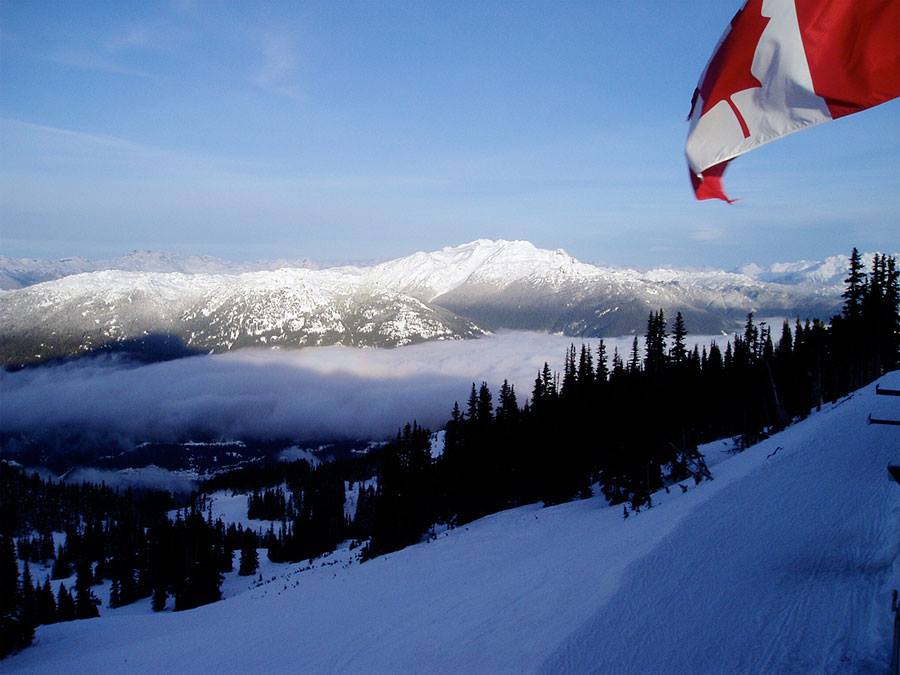
The ski resort two hours north of Vancouver hosted the 2010 Winter Olympics and offers world-class skiing (December to April) and mountain biking (June to September). The village is pedestrian-friendly with excellent restaurants.
Lift tickets in peak season cost CAD 200+ (£117+) per day. Summer gondola rides cost CAD 75 (£44) for access to alpine hiking.
Vancouver Island
The large island off the coast is accessible by ferry from Vancouver (1.5 hours to Nanaimo, 2.5 hours to Victoria). The capital Victoria has a British colonial character; Tofino on the west coast offers surfing, whale watching, and rainforest.
Pacific Rim National Park – Old-growth rainforest meets wild Pacific beaches. The West Coast Trail is a legendary multi-day hike (75km, 6-8 days, permit required).
Whale watching – Orcas (resident pods May-October), grey whales (March-May), and humpbacks are all visible from Vancouver Island. Tours from Tofino and Victoria cost CAD 120-180 (£70-106).
Ontario
Canada’s most populous province includes the country’s largest city and its capital.
Toronto
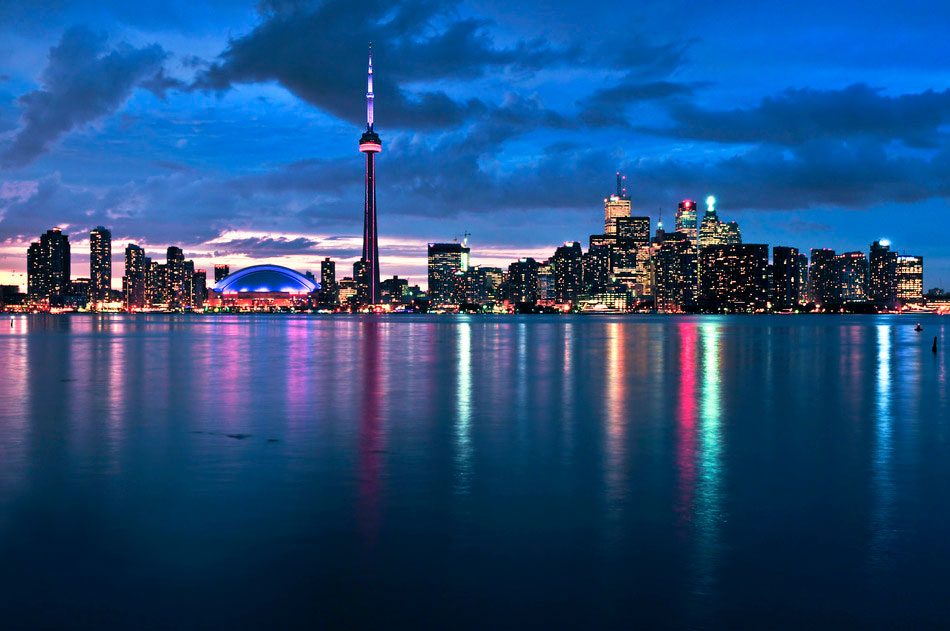
The financial and cultural capital is Canada’s largest city – diverse, energetic, and spread across endless suburbs. The downtown core is walkable and interesting.
CN Tower – The 553-metre tower was the world’s tallest freestanding structure for 32 years. The observation deck at 346 metres offers city views; the glass floor lets you look down. EdgeWalk allows you to walk hands-free around the outside (CAD 225 / £132). Regular admission CAD 43 (£25).
Distillery District – A pedestrian-only area of Victorian industrial buildings converted to galleries, restaurants, and shops. Good for an afternoon wander.
St Lawrence Market – Operating since 1803, selling produce, cheese, peameal bacon sandwiches, and local specialities. Busiest on Saturdays.
Royal Ontario Museum – One of North America’s largest museums, with natural history, world cultures, and an eye-catching crystalline extension. CAD 23 (£13.50).
Niagara Falls
The falls are three hours from Toronto by car (or shuttle bus). The Canadian side has better views than the American side.
Horseshoe Falls – The largest of the three waterfalls, with 2,400 cubic metres of water per second pouring over the 51-metre drop. The viewing areas along the gorge are free; the Journey Behind the Falls takes you into tunnels behind the cascade (CAD 21 / £12).
Niagara Parks – The parkland along the gorge includes walking trails, gardens, and the Whirlpool Aero Car (a cable car over the whirlpool, CAD 18 / £10.50).
The town of Niagara Falls is touristy and tacky; the falls themselves are genuinely impressive.
Ottawa
The capital has excellent museums and a pleasant downtown along the Rideau Canal.
Parliament Hill – Free tours of the Centre Block (when Parliament is not in session). The changing of the guard occurs daily in summer.
Canadian Museum of History – The country’s most-visited museum, with First Nations art and Canadian history. Across the river in Gatineau. CAD 25 (£14.70).
Quebec
The francophone province has a distinct identity – French language, Catholic heritage, and a culture that feels European.
Quebec City
The only walled city in North America north of Mexico, with a UNESCO-listed old town that genuinely feels like Europe.
Old Quebec – The upper and lower towns connected by stairs and funicular. Cobbled streets, 17th-century buildings, and the famous Chateau Frontenac hotel (worth seeing even if you are not staying there).
Plains of Abraham – The battlefield where the British defeated the French in 1759, now a pleasant urban park.
Quartier Petit Champlain – A pedestrian district with boutiques and restaurants in the lower town.
Montreal
Canada’s second-largest city is culturally vibrant, with excellent food and a bilingual character.
Old Montreal – Cobbled streets and 19th-century architecture along the waterfront. Notre-Dame Basilica has an extraordinary gothic revival interior (CAD 18 / £10.50).
Mount Royal – The hill that gives the city its name, with walking trails and views from the Kondiaronk Belvedere.
Plateau Mont-Royal – The creative neighbourhood with colourful houses, independent shops, and restaurants.
Food scene – Montreal is famous for bagels (St-Viateur and Fairmount compete for the title of best), smoked meat sandwiches (Schwartz’s), and poutine (fries, cheese curds, and gravy – available everywhere).
Atlantic Canada
The maritime provinces – Nova Scotia, New Brunswick, Prince Edward Island, and Newfoundland – offer a quieter pace, dramatic coastlines, and distinctive culture.
Nova Scotia
Halifax – The capital has a revitalised waterfront, excellent museums (Canadian Museum of Immigration at Pier 21 tells the story of arrivals similar to Ellis Island), and good seafood restaurants.
Peggy’s Cove – The iconic lighthouse on granite rocks, one hour from Halifax. Touristy but atmospheric.
Cape Breton Island – The Cabot Trail (298km loop) is one of Canada’s most scenic drives, with highlands, ocean views, and Celtic culture.
Newfoundland
The easternmost province is remote, distinctive, and rewards those who make the journey.
St John’s – The colourful capital with the oldest street in North America (Water Street) and excellent hiking on the East Coast Trail.
Gros Morne National Park – UNESCO-listed for its geological significance; the Tablelands offer a walk on exposed Earth’s mantle.
Canadian Food
National Dishes
Poutine – Quebec’s gift to the world: fries, cheese curds, and gravy. Basic versions are everywhere; creative variations abound.
Butter tarts – Small pastries with butter, sugar, and syrup filling.
Montreal smoked meat – Similar to pastrami, piled high on rye bread with mustard.
Montreal-style bagels – Sweeter, denser, and boiled in honey water before baking. Different from (and arguably better than) New York bagels.
Nanaimo bars – A layered no-bake dessert from British Columbia.
BeaverTails – Fried dough pastries shaped like beaver tails, with various toppings.
Drink
Canadian craft beer is excellent, with breweries in every city. Ice wine (made from grapes frozen on the vine) is a Niagara specialty. Canadian whisky is ubiquitous.
Practical Information
Getting There
Direct flights from London to Toronto (8 hours), Vancouver (9.5 hours), Montreal, and Calgary. Air Canada and British Airways operate the main routes; WestJet and other carriers offer alternatives.
Getting Around
Domestic flights – Canada’s distances make flying essential for covering the country. Toronto to Vancouver is 4.5 hours by air. Air Canada and WestJet serve most destinations.
Trains – VIA Rail operates cross-country services, including the famous Canadian (Toronto to Vancouver, 4 nights). Scenic but slow and expensive compared to flying.
Driving – Car rental is the best way to explore regions like the Rockies, Vancouver Island, and the maritime provinces. Distances are vast; plan accordingly.
Buses – Greyhound no longer operates in Canada. Regional carriers like Rider Express connect some routes.
When to Visit
June to August – Summer. Best weather across the country, long days, peak prices. July 1 (Canada Day) is a national holiday.
September to October – Autumn. Fall colours (especially in Quebec and Ontario), fewer crowds, cooler temperatures.
December to March – Winter. Skiing in the Rockies and Quebec. Cold throughout (very cold in the prairies).
April to May – Spring. Shoulder season with variable weather.
Costs
Canada is moderately expensive.
- Hostel dorm: CAD 35-60 (£20-35) per night
- Budget hotel: CAD 100-150 (£59-88) per night
- Mid-range hotel: CAD 150-250 (£88-147) per night
- Restaurant meal: CAD 20-40 (£12-24)
- Coffee: CAD 4-6 (£2.35-3.50)
- Beer: CAD 7-10 (£4.10-5.90)
- National park entry: CAD 11 (£6.50) per day
Visas
UK citizens need an Electronic Travel Authorization (eTA) to fly to Canada (CAD 7 / £4, valid 5 years). US citizens need a passport but no visa. Most EU citizens also need an eTA. Some nationalities require full visitor visas.
Language
English and French are official languages. English dominates everywhere except Quebec, where French is the primary language. In Montreal, most people are bilingual; in Quebec City and rural Quebec, French is often the only language spoken.
Power
Canada uses Type A and B plugs (two flat pins). Voltage is 120V. UK visitors need a travel adapter.
Frequently Asked Questions
Do I need a visa to visit Canada from the UK?
UK citizens do not need a visa but must obtain an Electronic Travel Authorization (eTA) to fly to Canada. The eTA costs CAD 7 (£4), is valid for 5 years, and is applied for online. US citizens need only a passport, while most EU citizens also require an eTA.
When is the best time to visit Canada?
June to August offers the best weather across the country with long days and peak conditions for outdoor activities, though prices are highest. September to October brings beautiful fall colours, especially in Quebec and Ontario. December to March is ideal for skiing in the Rockies and Quebec, while whale watching in Samana is best from January to March.
What currency does Canada use?
Canada uses the Canadian Dollar (CAD). Credit and debit cards are widely accepted everywhere. ATMs are common and reliable in cities and towns. It’s advisable to have some cash for smaller establishments and remote areas.
How much does it cost to travel in Canada?
Canada is moderately expensive. Budget travellers can expect to spend CAD 80-120 (£47-70) per day on hostels, local food, and public transport. Mid-range travellers should budget CAD 200-350 (£117-206) per day for hotels, restaurants, and activities. The Rockies and major cities tend to be more expensive than other regions.
Is Canada safe for tourists?
Yes, Canada is very safe for tourists with low crime rates. Standard precautions apply in major cities: be aware of your surroundings, secure valuables, and avoid isolated areas at night. Wildlife safety is important in national parks – maintain distance from bears and other animals, and follow park guidelines.
What languages are spoken in Canada?
English and French are Canada’s official languages. English dominates everywhere except Quebec, where French is the primary language. In Montreal, most people are bilingual. In Quebec City and rural Quebec, French is often the only language spoken, so basic French phrases are helpful.