Suitcase Sets Buying Guide: What to Look For
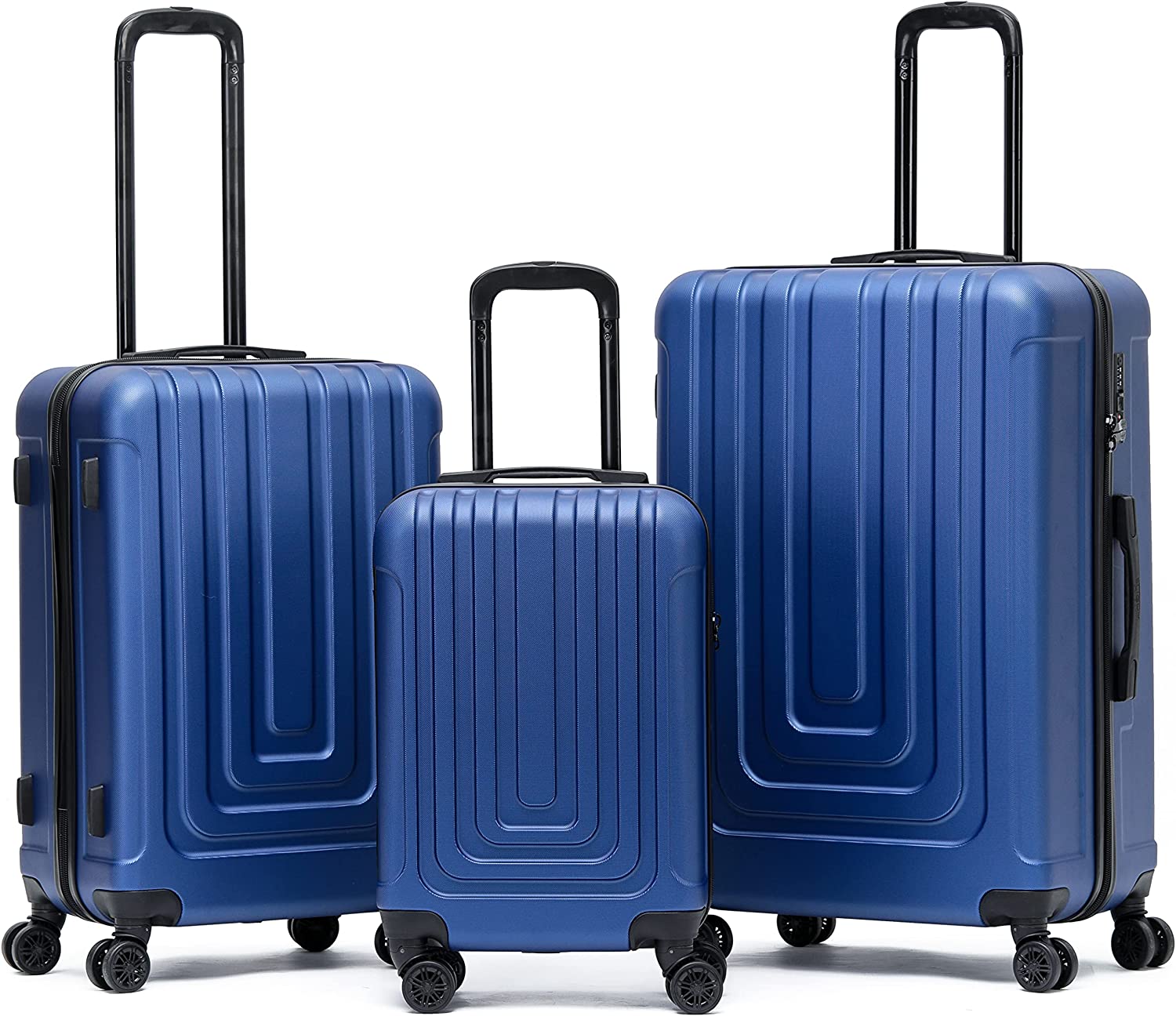
I bought my first luggage set because it seemed like good value – three matching cases for less than two individual ones. A decade later, the cabin bag is still going strong, the medium case lost a wheel after a rough baggage handler in Rome, and I never once used the large case because it weighed 5kg empty and exceeded most airline limits when packed. Lesson learned: sets aren’t always the bargain they appear to be.
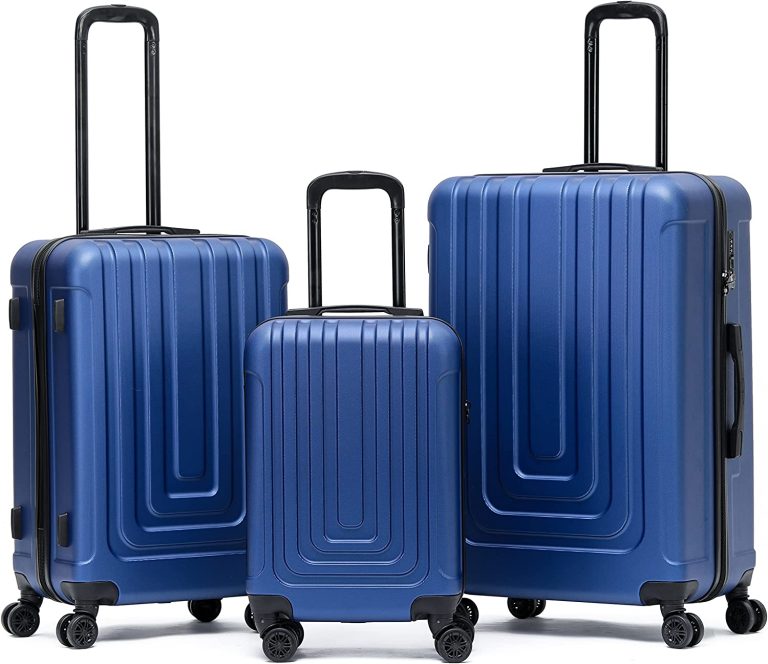
That said, luggage sets make sense for some travellers. If you’re starting from scratch and know you’ll use multiple sizes, buying together saves money. The key is knowing what you actually need before the matching set tempts you into buying more luggage than you’ll use.
When a Luggage Set Makes Sense
Buy a set if:
- You’re replacing all your luggage at once
- You travel with a partner or family and need multiple bags
- You take both short and long trips and genuinely need different sizes
- You prefer matching luggage (easier to spot on the carousel)
- The per-piece price is significantly better than buying individually
Skip the set if:
- You only need one or two sizes
- You’re particular about features and want to pick each piece separately
- You have working luggage already
- Storage space is limited (sets take up room when not in use)
What to Look For
Weight
The empty weight of your luggage eats into your allowance. A 5kg suitcase means 5kg less clothing. This matters more than most people realise until they’re standing at a check-in desk removing items.
Target weights:
- Cabin bags: Under 2.5kg
- Medium cases: Under 3.5kg
- Large cases: Under 4.5kg
Budget sets often fail here. Cheap materials and heavy frames add weight without adding durability.
Material
ABS plastic: Budget-friendly, lightweight, but brittle. Cracks under impact. Fine for occasional use.
Polycarbonate: Lighter and more flexible than ABS. Dents rather than cracks. Better durability for frequent travel.
ABS/Polycarbonate blend: Most mid-range sets use this. Reasonable balance of price and durability.
Nylon/Polyester (softside): Lighter, more flexible, often with external pockets. Less protection, not water-resistant.
Wheels
4-wheel (spinner): Roll in any direction, easier to manoeuvre. Take slightly more space when stored.
2-wheel (roller): Only roll forward/back, but more durable and better on rough surfaces.
For most travellers, 4-wheel spinners are more convenient. Look for wheels with ball bearings rather than cheap single-bearing wheels – they spin more smoothly and last longer.
Zips and Handles
Zips fail before the case does. Look for:
- YKK or branded zips (cheap zips snag and break)
- Double zips for expandable sections
- Smooth operation when new (it only gets worse)
Handles should be sturdy with multi-height stops. Test the locking mechanism – cheap handles collapse under load.
Locks
TSA-approved locks let US security open your bag without cutting the lock. Worth having if you travel to the US. Most modern sets include them.
Expandable
An extra few centimetres of depth via a zip is useful for return trips (souvenirs, gifts). Not essential but nice to have.
Typical Set Configurations
3-piece set (cabin + medium + large):
The most common configuration. Useful for families or those who genuinely use all three sizes.
2-piece set (cabin + large):
Good for couples or solo travellers who want a carry-on and a check-in option.
4-piece set (cabin + medium + large + vanity case):
The vanity case is rarely useful unless you have specific needs. Usually adds cost without value.
Size Guide
| Size | Typical Dimensions |
|---|---|
| Use Case | Cabin |
| 55 x 40 x 20cm | Weekend trips, carry-on only |
| Medium | 65 x 45 x 25cm |
| 1-2 week trips | Large |
| 75 x 50 x 30cm | Extended trips, family packing |
Check airline limits: Cabin bag dimensions vary between airlines. Budget airlines (Ryanair, EasyJet) are stricter than traditional carriers.
Budget vs Premium
Budget Sets (£60-150)
Brands: Aerolite, Kono, 5 Cities, VonHaus
Pros: Affordable, decent for occasional use
Cons: Heavier, cheaper wheels and zips, shorter lifespan
Good for: Occasional travellers, first luggage purchase, tight budgets
Mid-Range Sets (£150-350)
Brands: American Tourister, Tripp, IT Luggage, Rock
Pros: Better build quality, lighter materials, longer warranties
Cons: More expensive upfront
Good for: Regular travellers, 2-4 trips per year
Premium Sets (£350+)
Brands: Samsonite, Delsey, Briggs & Riley
Pros: Excellent durability, best warranties (Briggs & Riley offers lifetime repair), lighter weight
Cons: Expensive
Good for: Frequent travellers, business travel, long-term investment
My Recommendation
Most people are better off buying a good cabin bag and adding other sizes as needed. A quality carry-on handles 80% of trips. Add a medium case for longer journeys if you actually need one.
If you do buy a set, prioritise:
- Weight (check the specs)
- Wheel quality (ball bearings, not single bearings)
- Zip quality (YKK or equivalent)
- Warranty length
The matching aesthetic is nice, but mismatched good luggage beats matching mediocre luggage every time.