Switzerland Holidays: Geneva, Lucerne & More
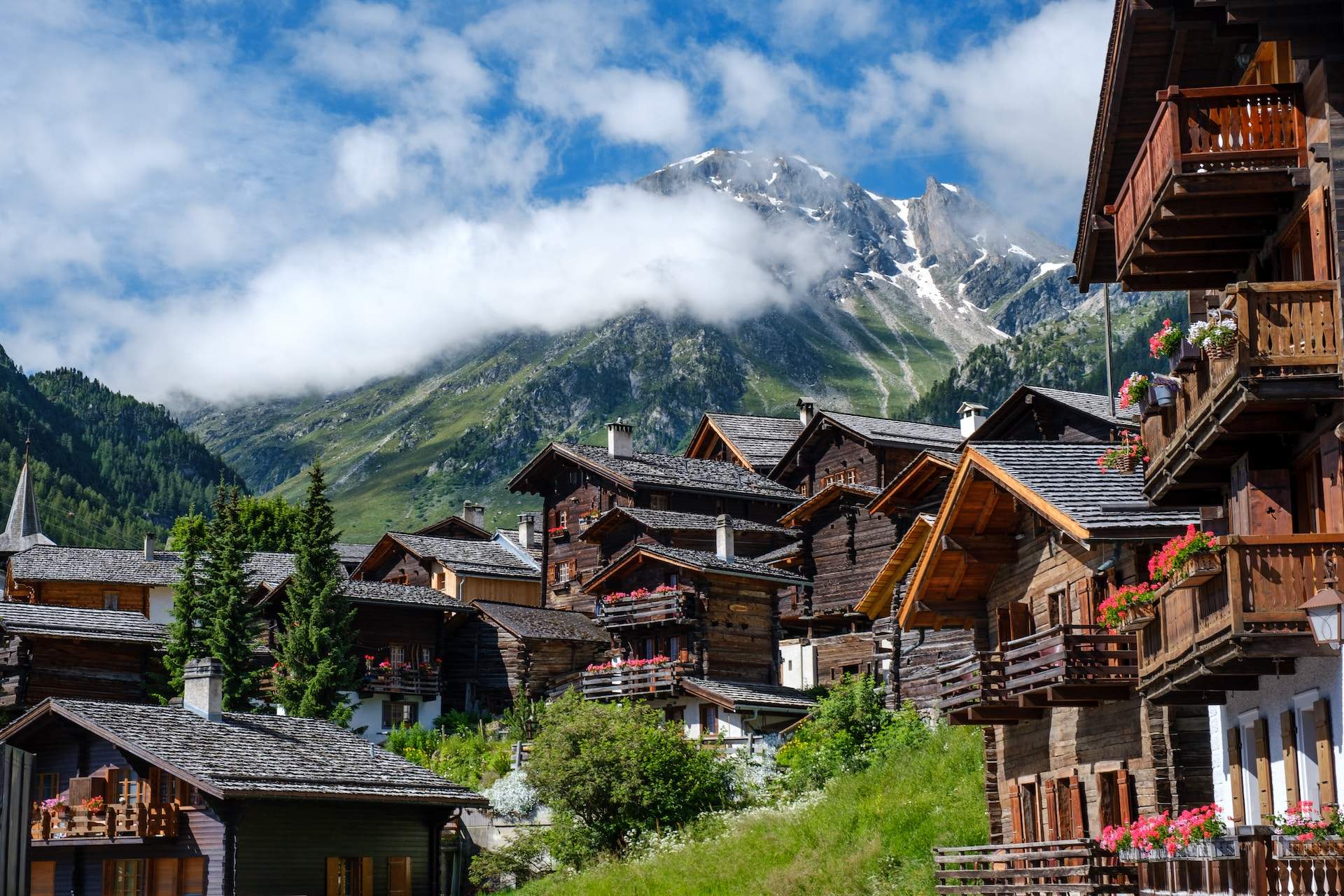
Switzerland holidays deliver something closer to a religious experience. I took the train from Zurich to Zermatt expecting pretty scenery and got much more. The Swiss Alps don’t photograph well – or rather, photographs don’t prepare you for standing on a platform at 3,000 metres watching the Matterhorn turn pink at sunset. Yes, Switzerland is expensive. A coffee costs what a meal costs elsewhere. A gondola ride costs what a short flight costs. But I’ve never regretted a single franc spent there. The trains run with an almost comical punctuality, the lakes are genuinely that blue, and the cheese fondue at a mountain hut after a day of hiking is worth every penny.
Switzerland packs mountains, lakes, chocolate, and precision into a small country. A week covers the highlights; two weeks allows you to slow down and let the Alps sink in properly.
Main Destinations
Zurich
Switzerland’s largest city and main international gateway. Compact old town, excellent museums, and good base for exploring.
Highlights:
- Old Town (Altstadt) with cobbled streets and guild houses
- Kunsthaus (art museum) with Swiss and European collections
- Lake Zurich for swimming in summer
- Bahnhofstrasse for shopping (expensive)
Geneva
International city at the end of Lake Geneva. More French in character. Home to the UN and Red Cross.
Highlights:
- Jet d’Eau fountain on the lake
- Old Town with St. Pierre Cathedral
- CERN (book ahead for tours)
- Day trips to Chamonix (France) and Lausanne
Lucerne
A compact city on Lake Lucerne, it’s the main gateway to the central Swiss Alps. The wooden Chapel Bridge (Kapellbrücke) is the centrepiece.
Good base for:
- Mount Pilatus (cable car and cogwheel railway)
- Mount Rigi (cable car)
- Day trips around the lake
Bern
The capital. Medieval old town is a UNESCO World Heritage Site. More relaxed pace than Zurich or Geneva.
Highlights:
- Zytglogge (medieval clock tower)
- Bear Park
- Einstein’s apartment (now a museum)
Interlaken and the Jungfrau Region
Adventure sports hub between two lakes, surrounded by peaks that look photoshopped. This is where Switzerland gets properly dramatic. Base for:
- Jungfraujoch – “Top of Europe” at 3,454m. The train ticket is eye-watering (~CHF 200+ return) but the experience is extraordinary. Step out onto a glacier, visit an ice palace carved into the mountain, and try not to think too hard about the price.
- Grindelwald – Skiing in winter, hiking in summer. The First Cliff Walk is terrifying and worth it.
- Lauterbrunnen Valley – 72 waterfalls spilling down sheer cliffs. Stay overnight if you can; the valley empties of day-trippers after 5pm and becomes magical.
Zermatt
Car-free resort town at the base of the Matterhorn. World-class skiing in winter, hiking in summer.
Other Regions
Ticino: Italian-speaking south. Mediterranean climate, palm trees, Lugano and Locarno.
Valais: Highest peaks, wine region, traditional villages.
Graubünden: Glacier Express route, St. Moritz, Engadin Valley.
Swiss Alps Experiences
Scenic trains:
- Glacier Express: Zermatt to St. Moritz (8 hours). Book seats ahead.
- Bernina Express: St. Moritz to Tirano, Italy (4 hours)
- GoldenPass: Lucerne to Montreux
Mountain excursions:
- Jungfraujoch (highest railway station in Europe)
- Schilthorn (James Bond location)
- Gornergrat (Matterhorn views)
- Titlis (glacier, ice cave)
Skiing: Season December-April. Major resorts: Zermatt, Verbier, St. Moritz, Davos-Klosters. Expect CHF 70-90 per day for lift passes.
Costs
Switzerland is one of Europe’s most expensive countries. Budget accordingly.
Sample prices:
- Coffee: CHF 4-6 (~£3.50-5/$4-6)
- Lunch: CHF 20-30
- Restaurant dinner: CHF 40-80
- Beer: CHF 7-10
- Supermarket meal: CHF 10-15
- Hostel dorm: CHF 40-60
- Budget hotel: CHF 100-150
- Mid-range hotel: CHF 180-300
Budget tips:
- Shop at Coop and Migros supermarkets
- Self-cater where possible
- Use the Swiss Travel Pass if doing lots of train travel
- Stay in hostels or mountain huts
- Drink tap water (excellent quality)
Swiss Travel Pass
The Swiss Travel Pass offers unlimited travel on trains, buses, boats, and public transport in 80+ cities.
2024 prices (consecutive days):
- 4 days: CHF 244
- 8 days: CHF 359
- 15 days: CHF 389
Worth it if you’re doing significant travel. Also gives 50% off most mountain railways and free museum entry.
Alternative: Swiss Half Fare Card (CHF 120) gives 50% off all fares for one month.
Getting There
Zurich Airport (ZRH): Main international hub. Trains to city centre in 10 minutes.
Geneva Airport (GVA): Second main airport. Trains to city centre in 6 minutes.
EuroAirport Basel-Mulhouse (BSL): Budget airline hub on French border.
Budget airlines often fly into nearby airports in France, Germany, or Italy.
Getting Around
Trains are punctual and scenic. SBB (Swiss Federal Railways) operates the network. Book at sbb.ch.
Second class is comfortable. First class rarely necessary.
Boats cross major lakes. Cable cars and funiculars reach mountain viewpoints.
Driving is expensive (motorway vignette required, CHF 40/year) but useful for remote areas.
Food
Swiss food is heavier than you might expect – lots of melted cheese and potatoes. Perfect after a day in the mountains, less ideal in summer heat.
- Fondue: Melted cheese with bread for dipping. Best shared with friends after skiing. The etiquette: if you drop your bread in the pot, you buy the next round.
- Raclette: Half a wheel of cheese melted under a grill and scraped onto potatoes, pickles, and onions. Sounds simple, tastes incredible.
- Rösti: Crispy shredded potato cake. Basically Swiss hash browns. Perfect hangover food.
- Zürcher Geschnetzeltes: Veal in cream sauce with rösti. A Zurich specialty.
- Swiss chocolate: Lindt is fine, but the real experience is walking into a Sprüngli or Läderach shop and sampling the fresh truffles.
French-style cuisine in Geneva/Lausanne, Italian in Ticino (try the risotto), German-influenced in Zurich/Bern.
When to Visit
Summer (June-September): Best for hiking, lake swimming, city visits. Warmest weather.
Winter (December-March): Ski season. Christmas markets in December.
Shoulder seasons (April-May, October-November): Some mountain facilities closed but lower prices and fewer crowds.
Practical Tips
- Languages: German, French, Italian, Romansh. English widely spoken in tourist areas.
- Currency: Swiss Franc (CHF). Euros sometimes accepted but poor rate.
- Tipping: Not expected (service included) but rounding up appreciated.
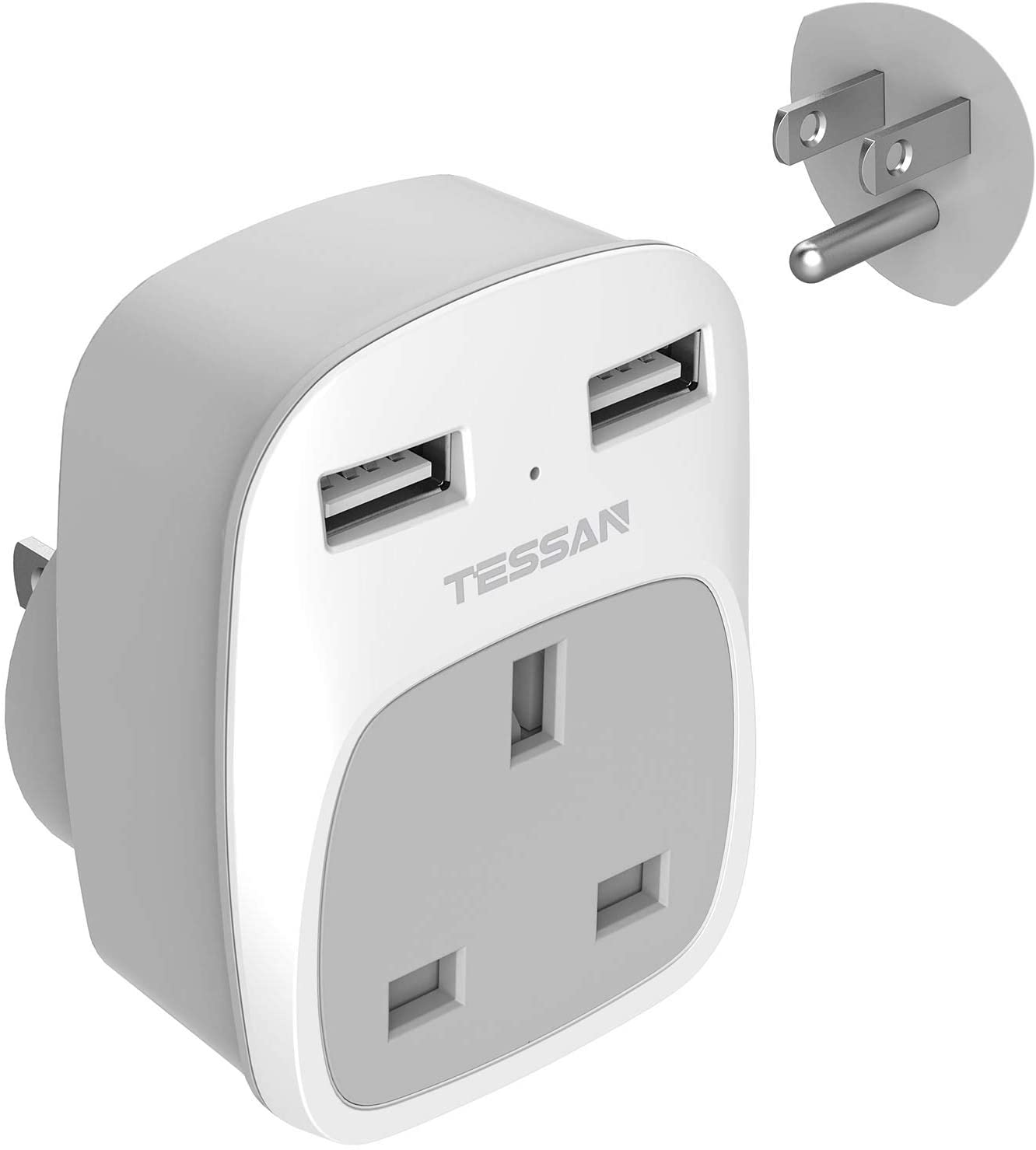
- Plug type: Type J (three-pin, unique to Switzerland). Most EU adapters don’t fit.
- Visa: Schengen area. UK visitors need passport, no visa under 90 days.
- Tap water: Excellent quality throughout. Fill your bottle from any fountain.
What to Skip
- Tourist trains at peak season without booking – The Glacier Express and Bernina Express sell out months ahead in summer. You’ll get the same views on regular trains for a fraction of the price.
- Geneva as your only stop – It’s the least “Swiss” city and can feel corporate. See it, but don’t base your whole trip there.
- Expensive mountain restaurants – Bring sandwiches for hiking. A mediocre burger at altitude costs CHF 25.
- Trying to do too much – Switzerland is small but transport between regions takes time. Pick 2-3 bases rather than hopping around constantly.
Switzerland is one of those places that genuinely exceeds expectations. I went expecting nice scenery and got mountains that stopped me in my tracks, trains that ran to the second, and food that made me forget what I was paying. Start with the Jungfrau region if you want drama, Geneva and Lausanne if you want sophistication, or Ticino if you want Switzerland with an Italian accent. Just don’t underestimate how expensive it is – budget accordingly and you’ll have an incredible time.
Frequently Asked Questions
Do I need a visa to visit Switzerland?
UK visitors do not need a visa for stays under 90 days. Switzerland is part of the Schengen Area, so your passport must be valid for at least three months beyond your planned departure date. EU citizens can visit freely but should check current requirements post-Brexit.
What is the best time to visit Switzerland?
Summer (June-September) is best for hiking, lake swimming, and city visits with the warmest weather. Winter (December-March) is ideal for skiing and Christmas markets. Shoulder seasons (April-May, October-November) offer lower prices and fewer crowds, though some mountain facilities may be closed.
What currency does Switzerland use and should I bring cash?
Switzerland uses the Swiss Franc (CHF), not the Euro. While Euros are sometimes accepted, you’ll get a poor exchange rate. Cards are widely accepted throughout Switzerland, but having some Swiss Francs in cash is useful for small purchases and mountain huts.
What type of power plugs does Switzerland use?
Switzerland uses Type J plugs (three-pin, unique to Switzerland). Most standard EU adapters don’t fit, so bring a Swiss-specific adapter. The voltage is 230V. You can buy adapters at airports or electronics shops if you forget.
How expensive is Switzerland really?
Switzerland is one of Europe’s most expensive countries. Expect to pay CHF 4-6 for coffee, CHF 20-30 for lunch, and CHF 100-150 for a budget hotel. Budget CHF 100-150 per day minimum for budget travel, or CHF 200-300+ for more comfort. The Swiss Travel Pass can help reduce transport costs.
Is Switzerland safe for tourists?
Switzerland is extremely safe with very low crime rates. Violent crime against tourists is rare. The main risks are typical tourist issues like pickpocketing in crowded areas and overestimating your hiking abilities. Mountain weather can change rapidly, so always check conditions before hiking and carry appropriate gear.