Bahamas Holidays: Beaches & Travel Guide
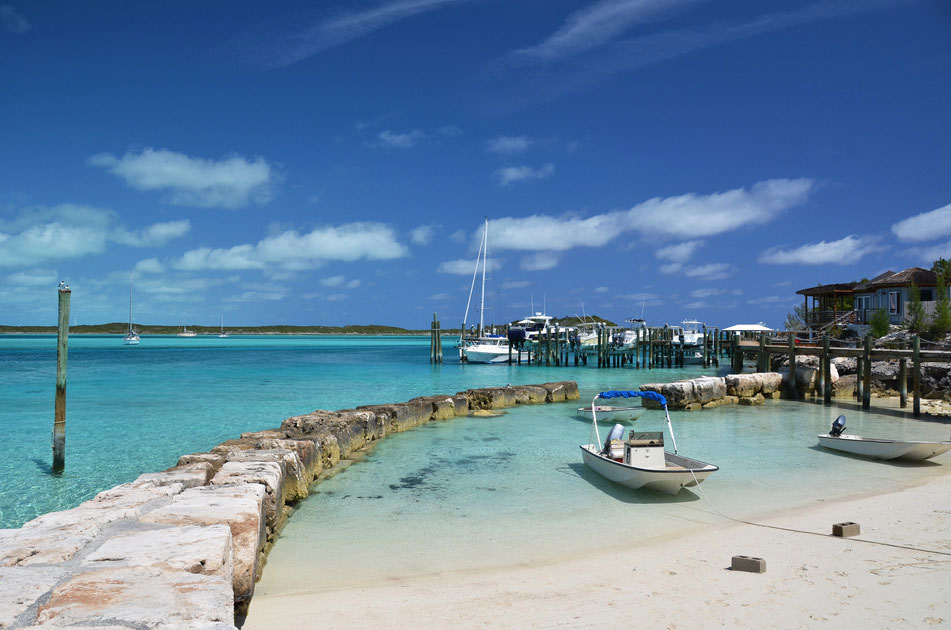
Bahamas holidays surprised me with how different each island feels. I spent a week there, dividing time between Nassau and a few days in the Exumas, and came away understanding why this archipelago draws everyone from cruise passengers seeking a quick beach fix to billionaires retreating to private islands. The water is impossibly clear – that luminous turquoise you see in photographs is real – and the proximity to Florida means getting there is easier than most Caribbean destinations.
The archipelago comprises roughly 700 islands and 2,400 cays, though only about 30 are inhabited. Most visitors see only Nassau and the resort strip of Paradise Island, but the Out Islands offer something entirely different: quieter beaches, smaller communities, and that sense of discovering somewhere that has not been overrun by tourism.
Technically, the Bahamas sits in the Atlantic rather than the Caribbean, but culturally and geographically it feels part of the same world: palm-fringed beaches, warm water, and a relaxed approach to life.
Nassau and Paradise Island
The capital Nassau occupies New Providence Island, home to most of the country’s population. The adjacent Paradise Island is connected by bridge and home to the Atlantis mega-resort.
Nassau
The city has a colourful colonial history as a pirate haven and later a British outpost. The downtown area retains some of that character, though cruise ship crowds can overwhelm it when multiple ships are in port.
Bay Street – The main commercial street, lined with duty-free shops, jewellery stores, and tourist-oriented businesses. Cruise passengers flood here; the shopping is unremarkable but convenient.
Nassau Straw Market – A covered market selling straw goods, souvenirs, T-shirts, and crafts. Bargaining is expected. Quality varies widely.
Fort Fincastle and Queen’s Staircase – The fort sits atop Bennet’s Hill with harbour views; the 66 steps of the Queen’s Staircase were carved from limestone by enslaved people in the late 18th century. A bit of history among the tourist shops.
Graycliff Hotel – A historic mansion with a famous cigar factory (tours available) and one of the best restaurants in Nassau. The wine cellar is legendary.
Paradise Island
Connected to Nassau by two bridges, this strip of land has been developed as a resort destination, dominated by Atlantis.
Atlantis Resort – A massive complex with waterpark, aquarium, casino, and multiple hotels. Even if you are not staying there, the aquarium (BSD 45 / £36) and some public areas are worth seeing. The waterpark requires a day pass or hotel stay.
Cabbage Beach – The main public beach on Paradise Island, a long stretch of white sand with clear water. Beach vendors can be persistent but the swimming is excellent.
Nassau Beaches
Cable Beach – West of downtown Nassau, a stretch of resorts and public beach access. The water is calm and the swimming is good.
Junkanoo Beach – The closest beach to the cruise port, small but convenient if time is limited.
The Exumas
The Exuma Cays stretch southeast from Nassau in a chain of 365 islands and cays. This is where the Bahamas gets interesting: private islands, incredible water, and far fewer tourists.
Getting There
Flights from Nassau to George Town (the main settlement in the Exumas) take about 45 minutes. Alternatively, the Bahamas Fast Ferry runs from Nassau (4 hours, BSD 110 / £88 each way). Many visitors reach the Exumas by private yacht or charter.
Exuma Cays Land and Sea Park
The world’s first land-and-sea park, protected since 1958. The waters are pristine; the marine life has recovered from fishing pressure. Accessible only by boat, this is a highlight for sailors and snorkellers.
Swimming Pigs
The famous swimming pigs of Big Major Cay (Pig Beach) have become an Instagram phenomenon. The pigs swim out to boats hoping for food; the experience is surreal. Day trips from George Town or Nassau visit the island, often combined with other stops (BSD 200-400 / £160-320 depending on origin).
The pigs are fed by tourists, which has raised welfare concerns. Some operators are more responsible than others; choose carefully.
Staniel Cay
A tiny settlement (population around 100) that serves as a base for exploring the Exuma Cays. The Staniel Cay Yacht Club is the main gathering point; the nearby Thunderball Grotto – an underwater cave system used in James Bond films – offers spectacular snorkelling.
George Town
The largest settlement in the Exumas, popular with yachties and long-term visitors. The pace is slow, the beaches are beautiful, and the town has enough restaurants and services to make extended stays comfortable.
Grand Bahama Island
The northernmost major island, home to Freeport, is more accessible than the Out Islands but less interesting than Nassau.
Freeport and Lucaya
The main settlements have hotels, restaurants, and a casino, but feel more suburban than tropical. Hurricane damage in recent years has affected development.
Lucayan National Park
The highlight of Grand Bahama: a 40-acre reserve with one of the world’s longest underwater cave systems (Ben’s Cave and Burial Mound Cave), mangrove creeks, and Gold Rock Beach. The beach is stunning; the caves require guided tours. Entry BSD 5 (£4).
Diving and Snorkelling
Grand Bahama has excellent reef diving and shark encounters. UNEXSO (Underwater Explorers Society) offers dolphin encounters and shark dives.
Out Islands
The Family Islands (as they are officially known) offer quieter alternatives to Nassau.
Eleuthera
A long, narrow island known for pink sand beaches (caused by crushed coral) and a relaxed atmosphere. Harbour Island, just offshore, is a favourite of the wealthy and well-connected, with Georgetown-style charm and high prices.
Pink Sands Beach – The famous beach on Harbour Island, with sand that genuinely shows pink hues. Beautiful and exclusive.
Surfer’s Beach – One of the few surf spots in the Bahamas, on Eleuthera’s Atlantic side.
The Abacos
A boater’s paradise: protected waters, colonial-era settlements, and excellent sailing. Marsh Harbour is the main hub; Hope Town on Elbow Cay has a famous striped lighthouse and New England-style cottages.
Andros
The largest Bahamian island is also the least developed. The Andros Barrier Reef is the third-largest in the world; blue holes (underwater sinkholes) dot the island. Excellent for serious divers and those seeking solitude.
Bimini
The closest island to Florida (50 miles from Miami), famous for fishing and as Hemingway’s retreat. The islands are small and easily explored.
Diving in the Bahamas
The clear waters and varied marine environments make the Bahamas a world-class diving destination.
Types of Diving
Shark diving – Stuart Cove’s in Nassau offers shark feeding dives with Caribbean reef sharks (BSD 190 / £152). UNEXSO on Grand Bahama has similar programs.
Wall diving – The drop-offs around the islands plunge into the deep blue, with excellent visibility.
Blue holes – Underwater sinkholes, particularly around Andros and Long Island, offer unique diving for experienced divers.
Wrecks – Various intentionally sunk wrecks around Nassau and other islands provide artificial reef habitats.
Two-tank dives cost approximately BSD 150-200 (£120-160); speciality dives (sharks, etc.) cost more.
Junkanoo
The national festival occurs on Boxing Day (December 26) and New Year’s Day, with costumed groups parading through Nassau’s streets from midnight onwards. The costumes are elaborate, the music is infectious, and the atmosphere is joyful. If you are in Nassau during the festival, participating or watching is essential.
Bahamian Food
Traditional Dishes
Conch – The national dish, prepared multiple ways: cracked conch (battered and fried), conch salad (raw, marinated in lime juice with vegetables – similar to ceviche), conch fritters, and stewed conch.
Rock lobster – Bahamian lobster is actually a spiny lobster (no claws), served grilled, in salads, or in pasta.
Johnnycake – A slightly sweet, dense bread, served as a side dish.
Peas and rice – The standard accompaniment to most dishes, made with pigeon peas.
Souse – A broth with chicken or other meat, onions, and lime. A traditional hangover cure.
Guava duff – A boiled pudding with guava, served with butter sauce. The classic Bahamian dessert.
Drink
Kalik – The national beer, a light lager named for the sound of cowbells at Junkanoo.
Bahama Mama – The classic rum cocktail: rum, coffee liqueur, coconut, and fruit juice.
Switcha – A traditional limeade made with key limes.
Expect to pay BSD 25-40 (£20-32) for a meal at a local restaurant; resort restaurants charge significantly more.
Practical Information
Getting There
Direct flights from London to Nassau (9.5 hours) are limited; most connections go via Miami (45 minutes to Nassau) or another US gateway. British Airways and other carriers serve the route.
From the US, flights from Miami, Fort Lauderdale, and New York are frequent and inexpensive. Cruise ships also call at Nassau regularly.
Getting Around
Between islands – Bahamasair and small carriers fly between Nassau and the Out Islands. Ferries connect some islands but are infrequent.
On Nassau – Taxis are unmetered; agree prices before departure. Jitneys (minibuses) run set routes cheaply (BSD 1.25 / £1). Rental cars are available but traffic can be chaotic.
On Out Islands – Rental cars or golf carts are essential on most islands. Some are small enough to walk.
When to Visit
December to April – Dry season. Peak tourist season with higher prices. Pleasant temperatures (21-27°C).
May to November – Wet season. Hurricanes possible June-November, with September historically the most active month. Lower prices and fewer crowds.
Water temperature is warm year-round (24-29°C).
Costs
The Bahamas is expensive by Caribbean standards.
- Budget hotel: BSD 100-150 (£80-120) per night
- Mid-range hotel: BSD 200-350 (£160-280) per night
- Luxury resort: BSD 500-1,500+ (£400-1,200+) per night
- Restaurant meal: BSD 25-50 (£20-40)
- Conch salad: BSD 10-15 (£8-12)
- Beer: BSD 6-10 (£4.80-8)
- Two-tank dive: BSD 150-200 (£120-160)
The Bahamian dollar is fixed 1:1 with the US dollar, and US currency is accepted everywhere.
Visas
UK citizens can visit for up to 8 months without a visa. US and Canadian citizens can also visit visa-free. Passport must be valid for duration of stay.
Language
English. Bahamian English has distinctive pronunciation and vocabulary, but communication is never a problem.
Safety
Nassau has higher crime rates than the Out Islands, particularly in certain areas off the tourist track. Normal precautions apply: avoid isolated areas at night, use hotel safes, be aware of surroundings. The Out Islands are very safe.
Power
The Bahamas uses Type A and B plugs (US-style flat pins). Voltage is 120V. UK visitors need a travel adapter.
Frequently Asked Questions
Do I need a visa to visit the Bahamas?
UK citizens can visit the Bahamas for up to 8 months without a visa. US and Canadian citizens also enjoy visa-free access. Your passport must be valid for the duration of your stay.
What is the best time to visit the Bahamas?
December to April is the dry season with pleasant temperatures (21-27°C) and peak tourist activity. For lower prices and fewer crowds, visit May to November, though this is hurricane season with September being the most active month. Water temperature remains warm year-round (24-29°C).
What currency is used in the Bahamas?
The Bahamian dollar is fixed 1:1 with the US dollar, and US currency is accepted everywhere throughout the islands. You can use either currency interchangeably.
How expensive is the Bahamas?
The Bahamas is expensive by Caribbean standards. Budget hotels cost BSD 100-150 (£80-120) per night, mid-range hotels BSD 200-350 (£160-280), and restaurant meals BSD 25-50 (£20-40). A conch salad costs BSD 10-15 (£8-12), while a beer runs BSD 6-10 (£4.80-8).
Is the Bahamas safe for tourists?
Nassau has higher crime rates than the Out Islands, particularly in certain areas off the tourist track. Normal precautions apply: avoid isolated areas at night, use hotel safes, and be aware of your surroundings. The Out Islands are very safe overall.
How do I get between islands in the Bahamas?
Bahamasair and small carriers fly between Nassau and the Out Islands. The Bahamas Fast Ferry runs from Nassau to George Town in the Exumas (4 hours, BSD 110 / £88 each way). Some islands are connected by ferries, though services are infrequent. Many visitors also reach the islands by private yacht or charter.