Places to Visit in Brazil: Travel Guide
Brazil hits differently. It is not just another destination you tick off a list – it is the kind of place that gets under your skin. The rhythm of samba bleeding out of bars at 2am, the shock of standing beneath Iguazu Falls feeling the spray on your face, that first bite of properly grilled picanha at a churrascaria. This is a country that demands you show up with all your senses.
I spent three weeks travelling from Rio up through the Amazon, and honestly? It was not enough. Brazil is massive – the fifth largest country in the world – and trying to see all the places to visit in Brazil in one trip is a fool’s errand. Better to pick a region and do it properly than rush through ticking boxes.
Rio de Janeiro: More Than Just a Postcard
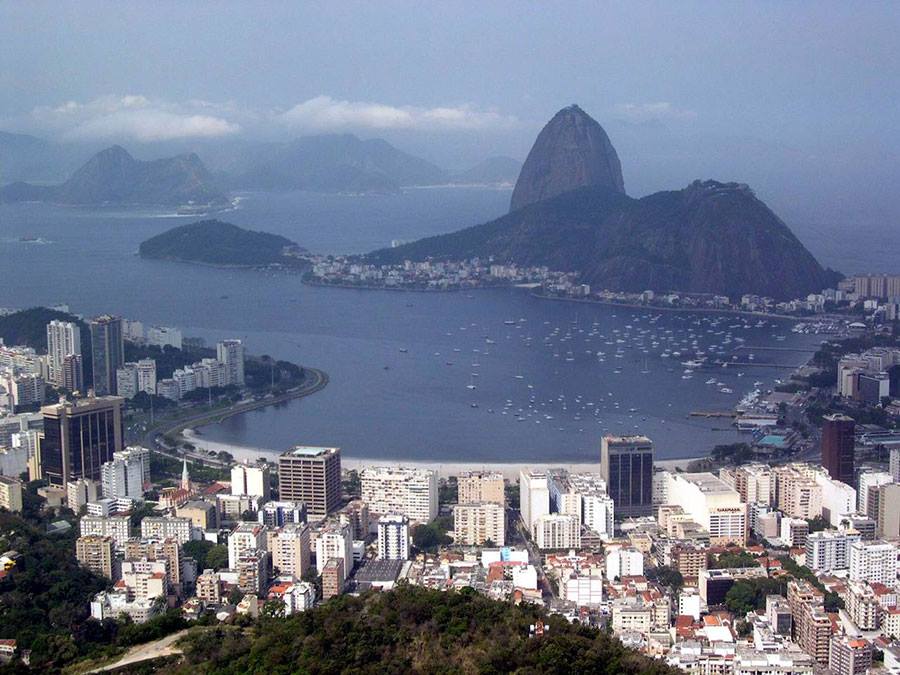
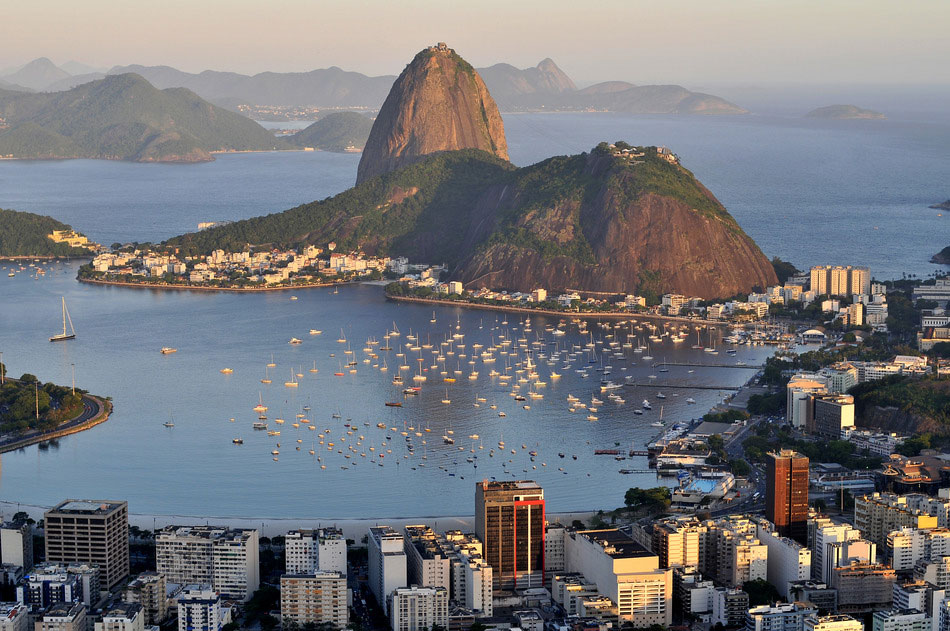
Everyone knows the images: Christ the Redeemer with arms outstretched, Sugarloaf Mountain rising from the bay, Copacabana curved beach. But Rio is so much more than its greatest hits.
Christ the Redeemer
Yes, it is touristy. Yes, you should still go. The 30-metre statue sits atop Corcovado Mountain at 700 metres elevation, and the views across the city are genuinely spectacular. Get there early – by 8am if possible – to beat both the crowds and the heat. The summit gets brutally hot by midday with no shade.
You have two options for getting up: the cog railway from Cosme Velho (around R$90 return) or a van plus escalator combo from Paineiras. The train is more scenic but sells out, so book online a day ahead during peak season.
Insider tip: If the clouds roll in and visibility drops, do not despair. The mist clearing to reveal the statue is actually more dramatic than a clear day, and you will have the place more to yourself.
Sugarloaf Mountain
The cable car ride up Sugarloaf happens in two stages – first to Morro da Urca, then to the summit at 396 metres. The views down to Copacabana, Ipanema, and across Guanabara Bay are spectacular, particularly at sunset when the city starts to light up.
Tickets cost around R$120. There are hiking trails up the first section if you want to earn your views, and the rock climbing routes on Sugarloaf are legendary among climbers.
Beyond the Tourist Trail
The real Rio lives in its neighbourhoods. Spend an afternoon wandering Santa Teresa, the bohemian hilltop district with crumbling colonial mansions, street art, and bars spilling onto cobblestone streets. Take the famous yellow tram (bonde) if it is running – it has been restored after years of closure.
Lapa comes alive at night. The old aqueduct arches tower over streets packed with samba clubs and caipirinhas sellers. Friday and Saturday nights here are pure chaos in the best way – just watch your valuables and do not flash expensive phones around.
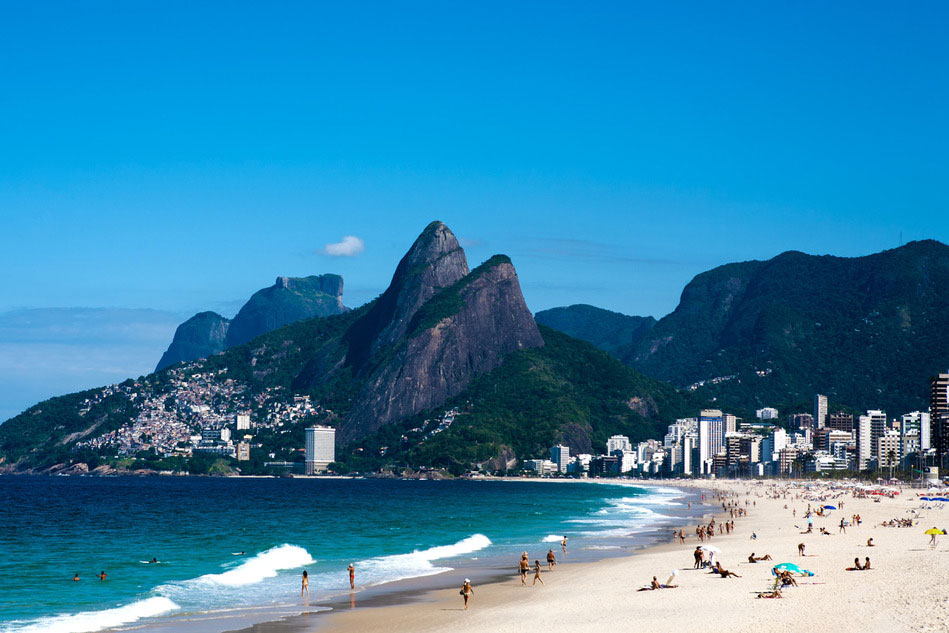
For beaches, skip the Copacabana crowds and head to Ipanema or further out to Barra da Tijuca. Leblon is where wealthy Cariocas hang out – smaller, calmer, with better restaurants nearby.
The Amazon: Into the Green
Flying into Manaus is surreal. One minute you are looking down at endless green canopy, the next you are landing in a city of two million people in the middle of the jungle. The Amazon is not a day trip – you need at least three or four days to get any real sense of it.
Most visitors base themselves at jungle lodges accessible by boat from Manaus. The further out you go, the more wildlife you will see – lodges four or more hours upriver offer the best chances of spotting pink river dolphins, caimans, and monkeys. Expect to pay $150-300 per night for mid-range lodges including meals, guides, and activities.
What You Will Actually Do
Forget the Discovery Channel fantasies of hacking through undergrowth. Amazon tours typically involve:
- Canoe trips through flooded forest (varzea) looking for wildlife
- Piranha fishing – they are surprisingly easy to catch and yes, you eat them
- Night safaris by boat, spotting caimans by torchlight (their eyes glow red)
- Village visits to meet ribeirinho communities
- Jungle walks with guides explaining medicinal plants
The Meeting of the Waters near Manaus – where the black Rio Negro meets the brown Amazon River and they run side by side without mixing for kilometres – is genuinely impressive and worth the half-day boat trip.
Anavilhanas Archipelago
About three hours from Manaus, this freshwater archipelago has over 400 islands and is one of the best spots for wildlife. During low water season (September to February), white sand beaches emerge and you can swim in the black water – it is warm, soft, and strangely beautiful.
Iguazu Falls: Raw Power
Straddling the border with Argentina, Iguazu is one of those natural wonders that genuinely lives up to the hype. The statistics – 275 individual falls spread across nearly 3 kilometres – do not capture the visceral impact of standing in front of the Devils Throat, the largest cataract, as millions of litres of water thunder into the abyss.
The Brazilian side gives you the panoramic views and that iconic photograph. The Argentine side lets you get up close, walking on catwalks over and around the falls. Do both if you can – they are completely different experiences.
Budget two days: one for each side. The parks are not cheap (around $30-40 entry each), but this is not something you want to rush. The Brazilian town of Foz do Iguacu has plenty of accommodation options.
Brazilian Beaches
With over 7,000 kilometres of coastline, Brazil does not lack for beach options. Beyond Rio:
Florianopolis in the south has 42 beaches on one island – everything from family-friendly bays to serious surf breaks. The oyster farms at Ribeirao da Ilha serve some of the freshest seafood you will find anywhere.
Jericoacoara (Jeri) in the northeast is a car-free village of sand streets, world-class windsurfing, and spectacular sunsets from the dunes. Getting there is deliberately difficult – that is part of the appeal.
Ilha Grande near Rio is a car-free island with over 100 beaches. Lopes Mendes consistently ranks among Brazils best – two kilometres of white sand, turquoise water, and just enough wave to keep surfers happy.
Fernando de Noronha is the bucket-list option – a volcanic archipelago 350 kilometres offshore with controlled visitor numbers, pristine diving, and spinner dolphins in the bay each morning. It is expensive and requires advance planning, but utterly spectacular.
The Pantanal: Brazils Best Wildlife
While the Amazon gets the attention, the Pantanal – the worlds largest tropical wetland – offers far better wildlife viewing. The open terrain means you actually see the animals, including jaguars, giant anteaters, capybaras, and hundreds of bird species.
The dry season (July to October) concentrates animals around remaining water sources, making sightings easier. Most visitors fly into Cuiaba and drive the Transpantaneira highway, staying at fazendas (ranches) converted to lodges along the route.
Carnival: Organised Chaos
Rio Carnival is the big one – the samba schools parading through the Sambadrome, the street parties (blocos) that take over entire neighbourhoods, the costumes, the music, the crowds. It happens the week before Lent (usually February), and the city goes properly mental.
If you want Sambadrome tickets, book months ahead and expect to pay $100-500 depending on seats. But honestly, the street parties are where the real action is – they are free, they are everywhere, and they last all day and night.
Salvador Carnival is arguably more authentic – Afro-Brazilian rhythms, massive trio eletrico sound trucks, and a million people dancing through the streets. Less organised than Rio, more intense.
Practical note: Hotels triple their prices during Carnival week. Book accommodation six months ahead minimum, or consider staying in a neighbouring city and commuting in.
Food and Drink
Brazilian food is criminally underrated internationally. Beyond the obvious churrasco (all-you-can-eat grilled meat) and feijoada (black bean and pork stew, traditionally served Saturdays):
- Moqueca – Bahian fish stew cooked in palm oil and coconut milk
- Acaraje – Deep-fried black-eyed pea fritters stuffed with shrimp, a street food staple in Salvador
- Pao de queijo – Chewy cheese bread balls, dangerously addictive
- Acai – The real thing is thicker and less sweet than what you get abroad
Drink-wise: caipirinhas (cachaca, lime, sugar) are the classic, but try a caipiroska (vodka version) or caipirinha de maracuja (passion fruit). Brazilian beer is served stupidly cold – they like it that way.
Practical Information
When to go: Brazil spans the equator, so weather varies wildly by region. Rio is best April-October (dry season). The Amazon has less rain June-November. Avoid Rio beaches during January school holidays unless you love crowds.
Getting around: Domestic flights are essential for covering distances – it is a four-hour flight from Rio to Manaus. Bus travel is comfortable for shorter routes but gets tiring over 12+ hours. Internal flights are affordable if booked ahead.
Safety: Brazil has a reputation, and it is not entirely undeserved. Use common sense – do not flash valuables, avoid deserted areas at night, use Uber rather than hailing random taxis. That said, millions of tourists visit safely every year. Do not let fear stop you, just do not be naive.
Money: Credit cards work in cities but carry cash for smaller towns and the Amazon. ATMs (look for Banco24Horas) are widespread.
Language: Portuguese, not Spanish. Brazilians appreciate any attempt at their language. Basic phrases go a long way.
Frequently Asked Questions
Do I need a visa to visit Brazil?
Visa requirements vary by nationality. US, Canadian, Australian, and Japanese citizens need to apply for an e-visa before travel. UK and EU citizens can visit visa-free for stays up to 90 days. Check current requirements for your nationality before booking.
When is the best time to visit Brazil?
Brazil spans the equator, so weather varies by region. Rio is best April-October (dry season). The Amazon has less rain June-November. Avoid Rio beaches during January school holidays unless you love crowds. For Carnival, book 6+ months ahead as the country gets extremely busy.
What currency is used in Brazil?
The Brazilian Real (R$) is the official currency. Credit cards work in cities but carry cash for smaller towns and the Amazon. ATMs (look for Banco24Horas) are widespread throughout the country.
What language is spoken in Brazil?
Portuguese, not Spanish. While some English is spoken in tourist areas, Brazilians appreciate any attempt at their language. Basic Portuguese phrases go a long way in enhancing your travel experience.
How expensive is Brazil?
Costs vary widely by region and travel style. Expect to pay $150-300 per night for mid-range Amazon lodges including meals and activities. Domestic flights are essential for covering distances and are affordable if booked ahead. Budget accordingly for tours, accommodation, and internal transportation.
Is Brazil safe for tourists?
Brazil has a reputation for crime, but millions of tourists visit safely every year. Use common sense: don’t flash valuables, avoid deserted areas at night, and use Uber rather than hailing random taxis. Don’t let fear stop you from visiting, but don’t be naive either.