Spain holidays became my favourite European escape somewhere between the third glass of Rioja in a Madrid tapas bar and a midnight walk through Seville’s lamp-lit streets. I have visited repeatedly over the years – Barcelona for the architecture, the Basque Country for the food, Andalusia for the history – and each trip confirms that this country has mastered the art of living well. The late dinners, the afternoon siestas, the fierce regional pride, the way a simple plate of jamón and manchego becomes a celebration.
What makes Spain exceptional is the diversity within a single country. The Moorish palaces of the south have nothing in common with the Basque villages of the north. Catalonia feels distinct from Castile. The islands offer something different again. Yet everywhere, you find that same commitment to pleasure: excellent food, good wine, and conversation that stretches late into the night.
Two weeks covers the highlights. A week works for either a city-and-beach combination or a focused regional trip.
Where to Go
Barcelona
Barcelona is Spain’s most visited city. Gaudí’s architecture (Sagrada Família, Park Güell, Casa Batlló) draws crowds, but the city has more: the Gothic Quarter’s medieval streets, beaches, and excellent food.
Don’t miss: La Boqueria market for tapas and fresh produce. The Sagrada Família – book well ahead. Las Ramblas for people-watching.
Three to four days covers the main sights. See our Barcelona Weather Guide for the best time to visit.
Madrid
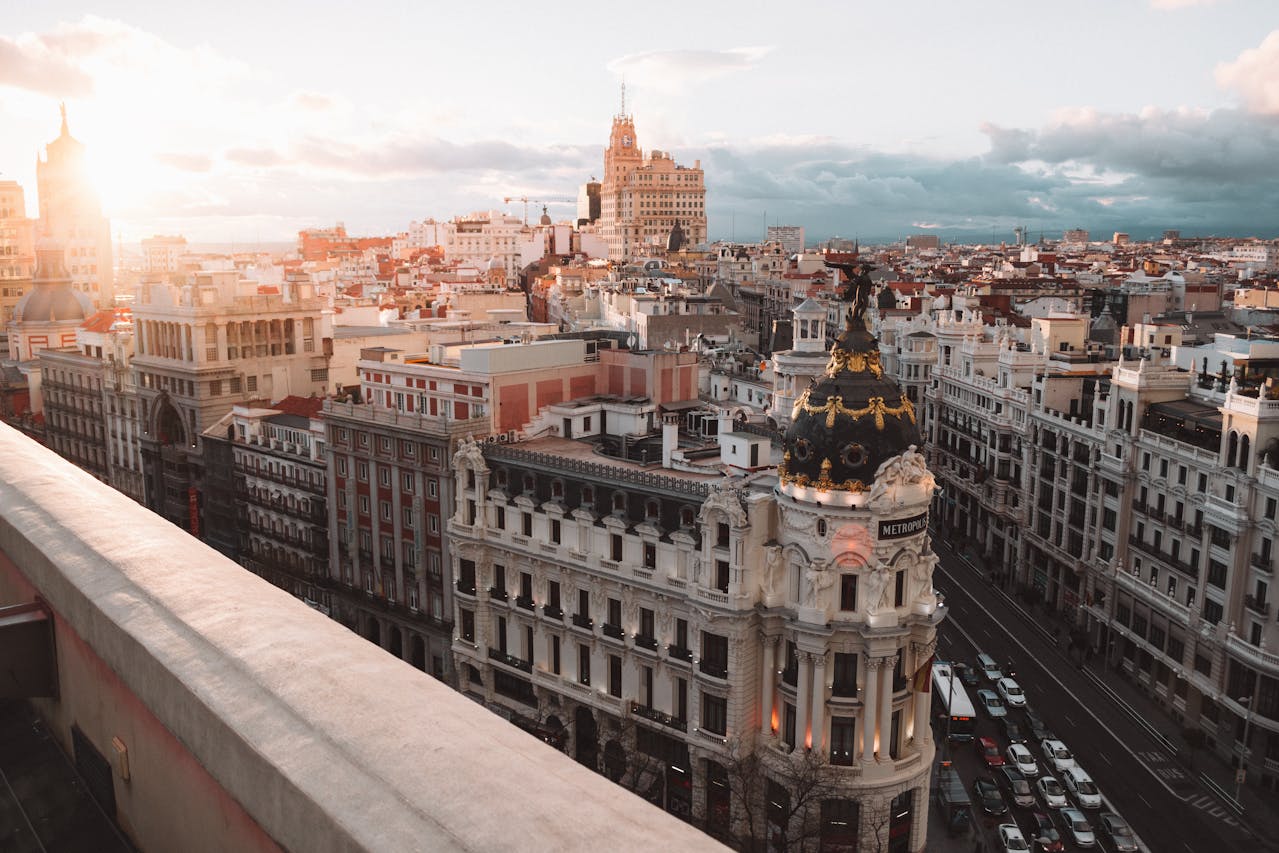
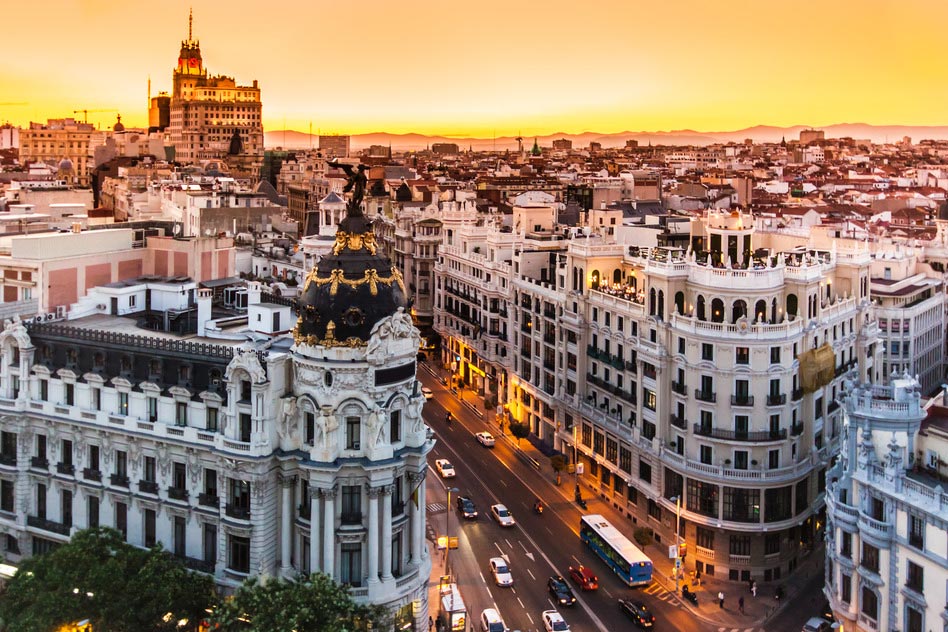
Spain’s capital is often overlooked for Barcelona but offers world-class museums (Prado, Reina Sofía, Thyssen-Bornemisza), grand plazas, and lively nightlife. The tapas scene rivals anywhere in Spain.
Don’t miss: The Prado Museum (Spanish masters like Velázquez and Goya). Plaza Mayor. A late-night tapas crawl through La Latina.
Two to three days is enough for the highlights.
Seville
The heart of Andalusian culture. Flamenco, Moorish architecture (the Alcázar), and an old town made for wandering. Hot in summer but atmospheric year-round.
Don’t miss: Real Alcázar palace complex. Seville Cathedral and the Giralda tower. The Triana neighbourhood for flamenco and tapas.
Granada
Home to the Alhambra, one of Spain’s must-see attractions. This Moorish palace complex is stunning – book tickets months in advance. The Albaicín neighbourhood below has whitewashed houses and views of the Sierra Nevada.
San Sebastián
Spain’s foodie capital. More Michelin stars per capita than almost anywhere. The pintxos bars in the old town are exceptional – hop from bar to bar, choosing small plates from the counters.
La Concha beach is one of Spain’s best urban beaches.
Canary Islands
Year-round sunshine off the coast of Africa. Tenerife and Gran Canaria have the most tourist infrastructure. Lanzarote has volcanic landscapes and less development. Good for winter sun.
Balearic Islands
Mallorca: Beaches, the capital Palma, and the Tramuntana mountains.
Ibiza: Famous for clubs, but the old town and quieter north have genuine charm.
Menorca: Quieter than the others, good for families.
Costa Brava and Costa del Sol
Beach coastlines north and south. The Costa Brava (near Barcelona) has more character with coves and fishing villages. The Costa del Sol (near Málaga) is more developed and package-holiday oriented.
Regional Highlights
Andalusia
Southern Spain’s Moorish heritage is everywhere – in Seville, Granada, and Córdoba’s Mezquita (the mosque-cathedral). The region also has white villages (pueblos blancos), sherry in Jerez, and the Sierra Nevada mountains.
Basque Country
Northern Spain with its own language and culture. San Sebastián for food, Bilbao for the Guggenheim Museum, and coastal villages like San Juan de Gaztelugatxe.
Galicia
Northwestern corner, green and Celtic-influenced. Santiago de Compostela is the endpoint of the Camino de Santiago pilgrimage. Excellent seafood – especially octopus (pulpo á feira).
Catalonia
Barcelona plus the Costa Brava coastline and the Pyrenees mountains. The region has a strong distinct identity and its own language (Catalan).
Getting Around
Trains
Spain’s high-speed AVE trains connect major cities quickly. Madrid to Barcelona takes 2.5 hours; Madrid to Seville takes 2.5 hours.
Book through Renfe. Advance tickets are significantly cheaper. A Madrid-Barcelona ticket can be €30-50 in advance or €100+ on the day.
Buses
ALSA and Avanza connect cities and towns not on the rail network. Cheaper than trains, slower but comfortable. Good for reaching smaller towns and villages.
Domestic Flights
Useful for reaching the islands (Canaries, Balearics) or crossing long distances quickly. Vueling, Iberia, and Ryanair operate domestic routes.
Driving
Good option for rural areas, wine regions, and the coastal roads. Tolls on motorways can add up. Note that parking in city centres is difficult and expensive.
Ferries
Connect mainland Spain to the Balearic Islands (from Barcelona or Valencia) and Canary Islands. Trasmediterránea and Baleària are the main operators.
Costs
Spain is affordable by Western European standards. The south and inland areas are cheaper than Barcelona and the islands.
Daily budgets:
- Budget (hostels, cheap meals): €50-70
- Mid-range (hotels, restaurants): €100-150
- Comfortable (nice hotels, good dining): €200+
Sample prices:
- Coffee: €1.50-2.50
- Beer: €2-4
- Tapas: €3-8 each
- Restaurant meal: €12-25
- AVE train (advance): €30-60
- Museum entry: €10-15
- Hostel dorm: €15-25
When to Visit
Spring (April-May): Pleasant temperatures, fewer crowds than summer. Semana Santa (Easter week) brings processions and festivals.
Summer (June-August): Hot inland and south (35°C+). Beach season. Crowded tourist areas and higher prices.
Autumn (September-October): Warm weather, wine harvest. Good for avoiding summer crowds.
Winter (November-March): Mild in the south and on the coasts. Cold inland. Cheapest prices and fewest tourists.
Festivals and Events
Semana Santa (Easter): Dramatic religious processions, especially in Seville and Málaga.
Las Fallas (March, Valencia): Giant sculptures burned on the final night.
Feria de Abril (April, Seville): Week of flamenco, horses, and traditional costumes.
Running of the Bulls (July, Pamplona): The famous San Fermín festival.
La Tomatina (August, Buñol): Mass tomato fight.
Food and Drink
Spanish cuisine varies by region but centres on fresh ingredients, seafood, and pork.
Classic dishes:
- Paella – Rice dish from Valencia (chicken, rabbit, or seafood)
- Tortilla española – Potato omelette
- Patatas bravas – Fried potatoes with spicy sauce
- Jamón ibérico – Cured ham
- Gazpacho – Cold tomato soup
- Churros con chocolate – Fried dough with hot chocolate
Eating customs: Lunch is the main meal (2-4pm). Dinner is late (9-11pm). Tapas bars serve small plates meant for sharing.
Wine: Rioja reds, Albariño whites from Galicia, cava (sparkling) from Catalonia, sherry from Jerez.
Practical Information
Currency: Euro (€)
Language: Spanish (Castilian). Catalan in Catalonia, Basque in the Basque Country, Galician in Galicia. English is common in tourist areas.
Visas: EU citizens need no visa. UK/US citizens can visit for up to 90 days without a visa (Schengen rules).
Plugs: Type C and F (European two-pin). See our Spain Plug Adapter Guide.
Tipping: Not expected but rounding up or leaving small change is appreciated.
Siesta: Many shops close 2-5pm, especially outside major cities.
What to Pack for Spain
For complete guidance, see our packing lists guide.
Travel Essentials
Travel Adapter: Spain uses Type C and F plugs (European two-pin). UK visitors need an adapter.

Travel Pillow: For flights over two hours to the Canary Islands or longer train journeys on the AVE.
Luggage Scale: Budget airlines like Ryanair and Vueling have strict limits. Weigh bags before heading to the airport.
Packing Tips
- Light layers – Hot days, air-conditioned interiors
- Comfortable walking shoes – Cobblestones in old towns
- Sun protection – Hat, sunglasses, sunscreen
- Smart casual – For nicer restaurants and evenings out
- Modest coverage – For visiting churches and cathedrals
Frequently Asked Questions
Do I need a visa for Spain from the UK?
No. UK citizens can visit Spain for up to 90 days in any 180-day period without a visa (Schengen rules).
What is the best time to visit Spain?
Spring (April-May) and autumn (September-October) offer pleasant weather and fewer crowds. Summer is hot, especially inland and in the south.
What currency is used in Spain?
The Euro (€). Credit cards are widely accepted, but carry cash for smaller businesses and markets.
What plugs are used in Spain?
Type C and F plugs (European two-pin) at 220-240V. UK visitors need an adapter.
Is Spain expensive?
Moderate by Western European standards. Budget €50-70/day for hostels and cheap meals, €100-150/day for mid-range hotels and restaurants.
Do I need to speak Spanish?
English is common in tourist areas. Basic Spanish phrases are appreciated, especially outside major cities.