West Virginia Travel: Mountains & Outdoors
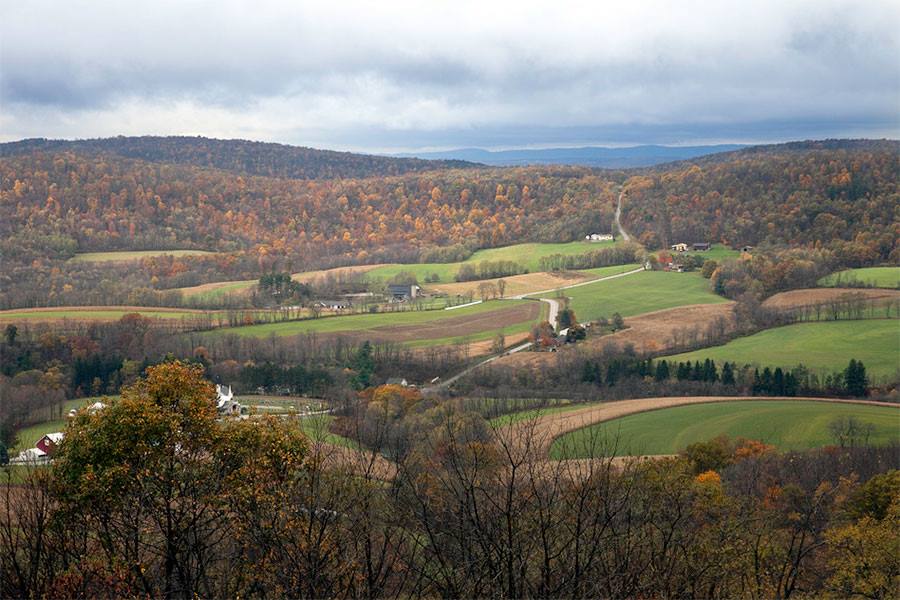
West Virginia doesn’t appear on most travel itineraries. It sits there in the Appalachians, passed over for Virginia’s beaches or the Carolinas’ charm. That’s their loss. The state John Denver called “almost heaven” has some of the best whitewater rafting in America, a national park that was only designated in 2020, and an outdoor culture that feels genuinely untouched by tourism.
I came here expecting a quick stopover on a road trip and ended up extending by four days. The Gauley River did that to me.
Why Visit West Virginia
West Virginia is Appalachian America at its most authentic. This isn’t a polished destination – it’s former coal country that’s reinvented itself around outdoor adventure. The New River Gorge became America’s newest national park. The Gauley River draws serious whitewater paddlers from around the world. And the Appalachian culture – the music, the food, the storytelling tradition – survives here in a way that feels real rather than performed.
It’s also cheap. Accommodation costs half what you’d pay in nearby tourist areas, and outdoor activities are reasonably priced.
New River Gorge National Park
The park’s centrepiece is a 53-mile stretch of the New River cutting through steep gorges. Despite its name, the New River is actually one of the oldest rivers in North America.
What to do:
- Hiking – Over 100 miles of trails. Long Point Trail (3.2 miles round trip) offers the iconic view of the New River Gorge Bridge
- Rock climbing – More than 1,400 established climbing routes on the Nuttall Sandstone cliffs
- Rafting – The New River has excellent Class III-IV rapids, more accessible than the Gauley
- Bridge Walk – Guided walks underneath the New River Gorge Bridge, 851 feet above the water
Bridge Day (Third Saturday of October):
One day a year, the bridge closes to traffic and opens to BASE jumpers and rappellers. It’s America’s largest single-day extreme sports event. If you’re certified, you can jump. If you’re not, watching hundreds of people leap into the void is entertainment enough.
Gauley River – Serious Whitewater
The Gauley is why experienced rafters come to West Virginia. During “Gauley Season” (September-October), dam releases from Summersville Lake create some of the most challenging commercially-rafted whitewater in the world.
Upper Gauley: Class IV-V. Names like “Pillow Rock” and “Lost Paddle” tell you what you’re getting into. Not for beginners.
Lower Gauley: Class III-IV. Still challenging but more accessible for intermediate paddlers.
What to know:
- Book guided trips in advance during Gauley Season
- Full-day trips run $150-250
- You will flip. Prepare accordingly
- Guides are excellent – this is what they do
Outside dam release season, the river is lower and calmer – still good paddling, but not the same experience.
Snowshoe Mountain
West Virginia’s premier ski resort sits at 4,848 feet in the Allegheny Mountains. Not the Rockies, but respectable for the East Coast.
Winter: 60+ trails, night skiing, and snow tubing. Conditions are variable (this is the Southeast), but when it’s good, it’s genuinely good.
Summer: The mountain converts to a bike park with lift-accessed downhill trails, plus hiking, zip lines, and ATV tours. The elevation keeps temperatures pleasant when lower elevations are sweltering.
Practical info:
- 4.5 hours from Washington D.C.
- Accommodation ranges from ski-in condos to nearby cabins
- Book early for holiday weekends
Harpers Ferry
Where West Virginia, Virginia, and Maryland meet at the confluence of the Potomac and Shenandoah rivers. The town is preserved as a national historical park, famous for John Brown’s 1859 raid that helped spark the Civil War.
What to see:
- Lower Town – Historic streets with Civil War-era buildings, museums, and interpretive displays
- Maryland Heights – Steep hike (4 miles round trip) with views over all three states
- Appalachian Trail – The trail passes through town, making Harpers Ferry a major AT stop
The town gets crowded on weekends but is worth the visit. The combination of history, scenery, and outdoor access is hard to match.
Seneca Rocks
A striking 900-foot rock fin visible for miles. It’s the best-known climbing destination on the East Coast, though you don’t need to climb to appreciate it.
For climbers: Multi-pitch traditional routes up the fin. Technical and exposed.
For everyone: The Discovery Trail (1.3 miles) leads to an observation platform with views of the rocks and Spruce Knob, West Virginia’s highest point.
Monongahela National Forest
Nearly a million acres of Appalachian forest covering much of eastern West Virginia. This is where you go when you want mountains without crowds.
Highlights:
- Dolly Sods Wilderness – High-altitude plateau with heath barrens that look more like New England than the Mid-Atlantic
- Spruce Knob – West Virginia’s highest point (4,863 feet) with a short hike to the summit
- Cranberry Glades – Boardwalk through a rare bog ecosystem
- Highland Scenic Highway – 43-mile drive through mountain wilderness, particularly good in autumn
Camping is excellent – developed campgrounds and backcountry options throughout the forest.
The Food
West Virginia food is Appalachian comfort food. Don’t expect refinement; expect quantity and warmth.
What to try:
- Pepperoni rolls – The state’s signature food. Pepperoni baked inside bread dough. Originally a coal miner’s lunch. Addictive
- Ramps – Wild leeks that appear in spring. Celebrated at festivals across the state
- Biscuits and gravy – Heavier and more generous than elsewhere
- Apple butter – Slow-cooked for hours. A breakfast staple
The restaurant scene is basic outside Charleston and a few resort towns. Expect diners, BBQ joints, and family restaurants. This isn’t a food destination – but the local specialties are worth seeking out.
Practical Information
Getting There
By air: Yeager Airport (CRW) in Charleston has limited connections. Most visitors drive.
By car: 4-5 hours from Washington D.C., Pittsburgh, or Cleveland. 6-7 hours from New York or Atlanta.
Getting Around
A car is essential. Public transport is minimal, and attractions are spread across mountain roads.
When to Visit
Summer (June-August): Best for hiking, rafting, and general outdoor activities. Can be humid at lower elevations.
Autumn (September-October): Prime time. Gauley Season for rafting, peak fall foliage, Bridge Day in October. Book accommodation early.
Winter (December-February): Ski season at Snowshoe. Cold and variable snow – check conditions before planning a trip.
Spring (March-May): Wildflowers and ramp season. Rivers run high. Mud on trails.
Where to Stay
Accommodation clusters around activity centres:
- Fayetteville – Gateway to New River Gorge and Gauley River. Mix of rafting lodges, cabins, and basic motels
- Snowshoe – Slope-side accommodation for skiing
- Berkeley Springs – Historic spa town in the eastern panhandle. More upscale
- Charleston – State capital with standard hotels. Not scenic but convenient
Cabin rentals are popular throughout the state and often better value than hotels.
Sample Itinerary: Four Days
Day 1: Arrive Fayetteville, hike Long Point Trail for New River Gorge Bridge views
Day 2: Whitewater rafting – New River for intermediates, Gauley for experienced paddlers (in season)
Day 3: Seneca Rocks, then Dolly Sods or Spruce Knob
Day 4: Harpers Ferry, then depart
Frequently Asked Questions
Do I need a visa to visit West Virginia?
International visitors need to meet US visa requirements. Citizens of Visa Waiver Program countries (UK, Australia, Japan, most EU nations, etc.) can visit for up to 90 days with an approved ESTA. Canadian citizens typically don’t need a visa for tourism. Always check current requirements before travel as policies can change.
When is the best time to visit West Virginia?
Autumn (September-October) is prime time for Gauley River rafting season, peak fall foliage, and Bridge Day. Summer (June-August) is best for hiking and general outdoor activities. Winter (December-February) is ski season at Snowshoe Mountain. Spring (March-May) offers wildflowers and high river flows but muddy trails.
What currency is used and how much does it cost to visit?
The USA uses the US Dollar (USD). West Virginia is significantly cheaper than nearby tourist areas. Budget $60-100 per day for accommodation, $25-40 for meals. Rafting trips cost $150-250 for full-day guided tours. National park entry for New River Gorge is free. Cabin rentals often offer better value than hotels.
Is West Virginia safe for tourists?
West Virginia is generally safe for tourists. Crime rates in tourist areas around New River Gorge and outdoor recreation zones are low. Follow standard safety precautions. For outdoor activities, use licensed guides for whitewater rafting, check weather before hiking, and be aware of wildlife. Cell phone coverage can be spotty in remote mountain areas.
What outdoor activities can I do in West Virginia?
West Virginia offers world-class whitewater rafting on the Gauley and New River, rock climbing at New River Gorge and Seneca Rocks, skiing and mountain biking at Snowshoe Mountain, hiking in Monongahela National Forest, and the Bridge Walk under New River Gorge Bridge. The state is a paradise for outdoor enthusiasts.
Do I need a car to visit West Virginia?
Yes, a rental car is essential. Public transport is minimal and attractions are spread across mountain roads. Most visitors drive from Washington D.C. (4-5 hours), Pittsburgh, or Cleveland. The scenic drives through the mountains are part of the experience. GPS or good maps are recommended as cell service can be unreliable.