Things to Do in Istanbul: Turkey Guide

The things to do in Istanbul overwhelmed me in the best possible way. I spent five days there – nowhere near enough – wandering from Byzantine churches to Ottoman mosques, from the spice-scented alleyways of the bazaars to the waterfront where ferries cross the Bosphorus. This is a city where history is not preserved in museums but woven into daily life, where a cab driver might gesture towards a structure and mention it was built in 537 AD, and where the call to prayer echoes from thousands of minarets five times a day.
The city spans two continents – the European and Asian sides separated by the Bosphorus Strait. Most visitors stay on the European side, where the historic peninsula (Sultanahmet) holds the major attractions within walking distance of each other.
Main Attractions
Hagia Sophia: Built as a church in 537 AD, converted to a mosque under the Ottomans, then a museum, and now a mosque again. The massive dome and Byzantine mosaics remain. Free entry, but expect queues. Dress modestly and women should cover their heads.
Blue Mosque (Sultan Ahmed Mosque): 17th-century mosque famous for its blue Iznik tiles and six minarets. Closed during prayer times. Free entry.
Topkapi Palace: Ottoman imperial residence for 400 years. The Harem and Treasury (with the Topkapi Dagger and Spoonmaker’s Diamond) require separate tickets.
Basilica Cistern: Underground water reservoir from the 6th century with 336 marble columns. Two have Medusa head carvings at their bases.
Galata Tower: Medieval tower with 360-degree views over the city. Built by Genoese traders in the 14th century.
Grand Bazaar: One of the world’s largest covered markets – 60+ streets and 4,000+ shops. Carpets, ceramics, jewelry, leather, spices. Haggling expected.
Spice Market (Egyptian Bazaar): Smaller and more focused than the Grand Bazaar. Turkish delight, dried fruits, nuts, teas, and spices.
Dolmabahce Palace: 19th-century palace on the Bosphorus. European-style architecture, crystal chandeliers, and the room where Ataturk died.
Visa Requirements
UK citizens: No visa needed for stays up to 90 days in any 180-day period. Passport must have at least 6 months validity.
US citizens: Same 90-day visa-free rule applies. Can also apply for an e-Visa online before travel.
Working or studying: Requires a visa from a Turkish embassy before arrival.
Currency
Turkish Lira (TRY). Exchange rates fluctuate significantly. As of early 2025:
- 1 USD = ~36 TRY
- 1 GBP = ~45 TRY
- 1 EUR = ~37 TRY
ATMs are everywhere. Credit cards accepted at most hotels, restaurants, and shops. Some smaller places and the bazaars prefer cash.
Transport
Istanbulkart: Rechargeable card for all public transport. Much cheaper than single tickets. Buy at metro stations or kiosks.
Metro/Tram: The T1 tram runs through Sultanahmet past major attractions. M2 metro connects Taksim to the airport line.
Ferry: Crosses the Bosphorus between European and Asian sides. Scenic and cheap with Istanbulkart.
Marmaray: Rail tunnel under the Bosphorus connecting Europe and Asia.
Taxis: Metered but scams are common. Use BiTaksi or iTaksi apps to avoid overcharging.
From airports:
- Istanbul Airport (IST): Havaist bus to Taksim (~1 hour, 275-355 TRY) or metro
- Sabiha Gokcen (SAW): Havabus to Taksim (~90 minutes)
Accommodation
Sultanahmet: Historic peninsula, walking distance to major sights. Quieter at night.
Beyoglu/Taksim: Nightlife, restaurants, modern shopping. Better for evening activities.
Kadikoy (Asian side): Local feel, good food scene, ferry ride to European side.
Prices:
- Budget hotel: $30-60/night
- Mid-range hotel: $80-150/night
- Luxury hotel: $200+/night
Power
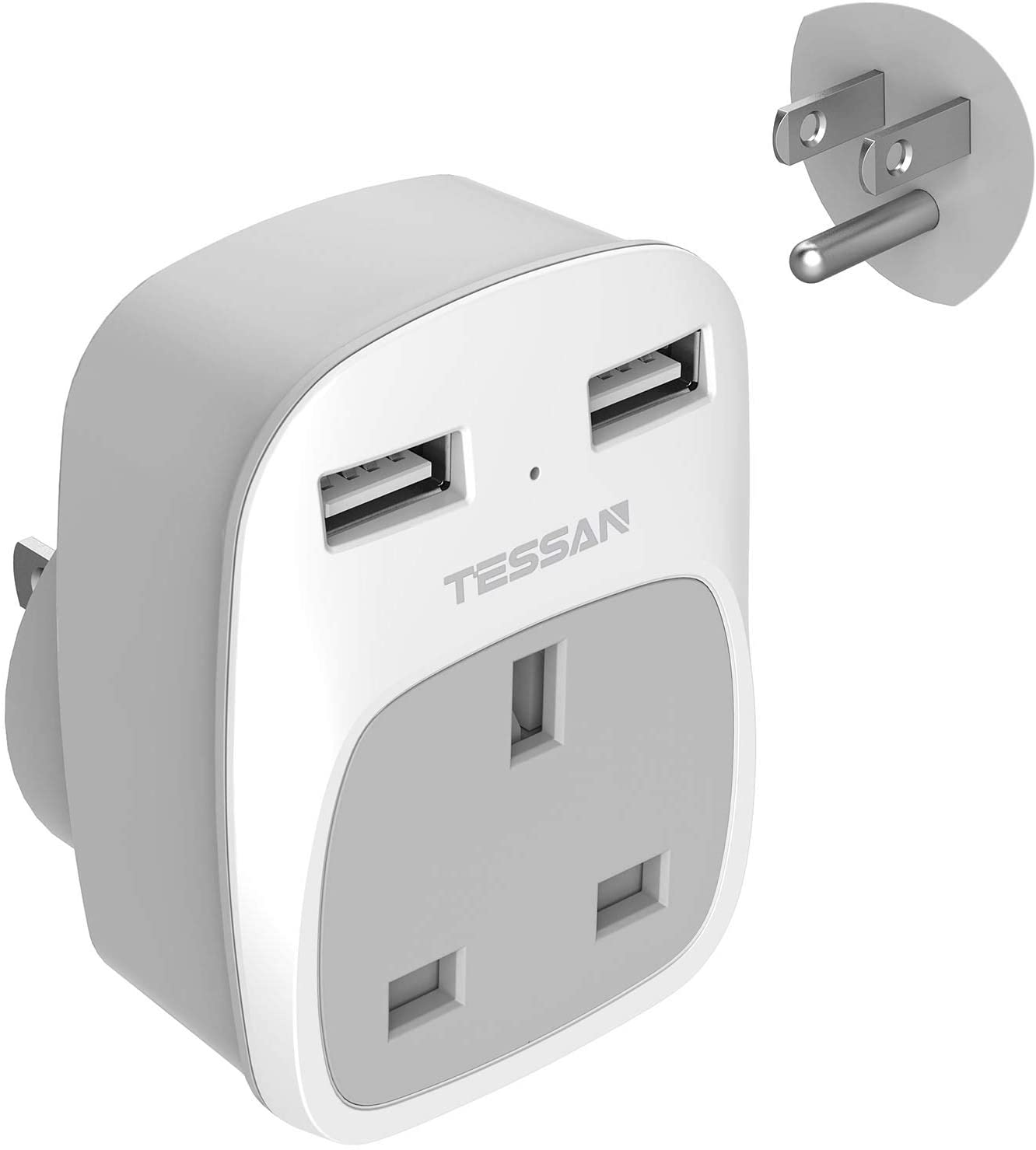
220V, Type C and F plugs (two round pins). UK visitors need an adapter. US visitors need both adapter and voltage converter for non-dual-voltage devices.
Safety
Istanbul is generally safe. Watch for:
- Pickpockets: Crowded areas, trams, tourist sites
- Taxi scams: Drivers taking long routes or rigged meters
- Fake police: Asking to see your wallet
- Shoe shiners: Dropping brush then charging to clean your shoes
- Friendly strangers: Leading you to overpriced bars or shops
Stay aware of surroundings. Avoid eastern border regions.
Culture Tips
Mosques: Remove shoes, dress modestly (long pants/skirts, covered shoulders). Women cover heads. Don’t visit during prayer times.
Greetings: Handshake is standard. Close friends do cheek kisses.
Haggling: Expected in bazaars, not in shops with fixed prices.
Tea: Offered frequently – accepting is polite.
Ramadan: Restaurants stay open but eating in public during fasting hours may draw looks in conservative areas.
Photography: Ask before photographing people. No photos at military sites.
Food
What to try:
- Kebabs (many varieties beyond doner)
- Lahmacun (thin flatbread with meat)
- Pide (Turkish pizza)
- Balik ekmek (fish sandwich, best at Eminonu)
- Meze (shared appetizers)
- Turkish breakfast (cheese, olives, tomatoes, eggs, bread)
- Baklava and Turkish delight
Alcohol: Available but expensive due to taxes. Raki is the traditional spirit.
Frequently Asked Questions
Do I need a visa to visit Istanbul?
UK citizens do not need a visa for tourist stays up to 90 days in any 180-day period. US citizens also have the same 90-day visa-free rule and can apply for an e-Visa online before travel for longer stays. Your passport must have at least 6 months validity from your arrival date. Working or studying in Turkey requires a visa obtained from a Turkish embassy before arrival.
What is the best time to visit Istanbul?
The best time to visit Istanbul is April to May or September to November, when temperatures are pleasant and crowds are moderate. Summer (June to August) can be hot and humid, while winter (December to March) is cooler with occasional rain. Spring offers blooming tulips in parks and gardens, while autumn brings comfortable weather ideal for sightseeing.
What currency does Istanbul use?
Istanbul uses the Turkish Lira (TRY). As of early 2025, exchange rates fluctuate significantly (approximately 1 USD = 36 TRY, 1 GBP = 45 TRY, 1 EUR = 37 TRY). ATMs are widely available throughout the city. Credit cards are accepted at most hotels, restaurants, and shops, though smaller places and bazaars prefer cash. Haggling is expected in bazaars but not in shops with fixed prices.
What type of power plugs are used in Istanbul?
Turkey uses Type C and F plugs with two round pins. The voltage is 220V at 50Hz. UK visitors need a travel adapter, while US visitors need both an adapter and a voltage converter for devices that don’t support 220V (most modern electronics like phones and laptops have dual voltage support).
How much does it cost to visit Istanbul?
Budget hotels cost $30-60 per night, mid-range $80-150. Accommodation is relatively affordable compared to Western Europe. Street food and casual meals are inexpensive, with kebabs and local dishes costing 100-200 TRY. Major attractions like Topkapi Palace and the Basilica Cistern charge entry fees, while the Blue Mosque and Hagia Sophia are free to enter (though donations are appreciated).
Is Istanbul safe for tourists?
Istanbul is generally safe for tourists. Watch for pickpockets in crowded areas, trams, and tourist sites. Be aware of common scams like taxi drivers taking long routes or using rigged meters, fake police asking to see your wallet, shoe shiners dropping brushes and charging for cleaning, and friendly strangers leading you to overpriced bars. Use ride-hailing apps like BiTaksi or iTaksi for taxis. Avoid eastern border regions of Turkey.