Barbados Holidays: Beaches & Travel Guide
Barbados holidays surprised me. I had expected a generic Caribbean beach break – rum punch, loungers, that sort of thing – and found an island with genuine character. The British colonial history runs deep here (cricket is taken very seriously, and driving is on the left), but so does a distinct Bajan culture that shows up in the food, the music, and the way locals talk.
I spent ten days circling the island, from the calm west coast beaches to the wild Atlantic east coast, and came away thinking Barbados offers more variety than most Caribbean islands its size. The beaches are excellent, yes, but so are the rum distilleries, the historic Bridgetown, and the fish fry at Oistins on a Friday night.
The Beaches
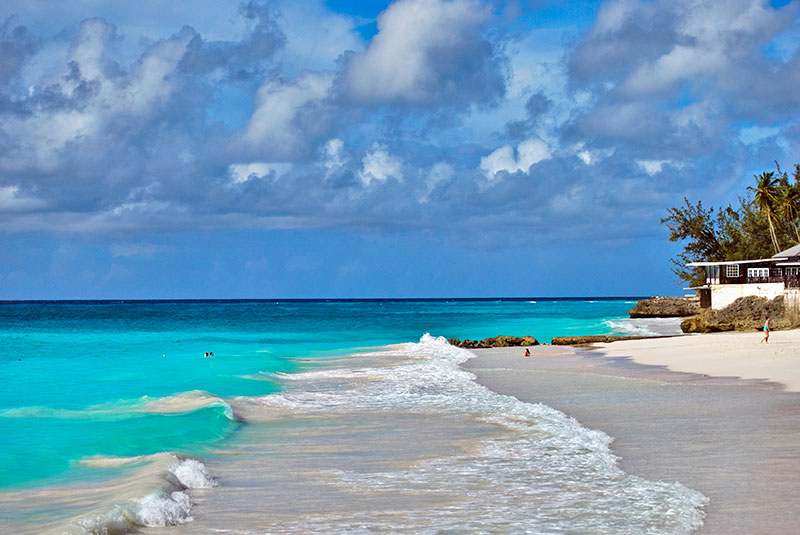
Barbados has 92 kilometres of coastline, and the character of the beaches changes dramatically depending on which coast you are on.
West Coast
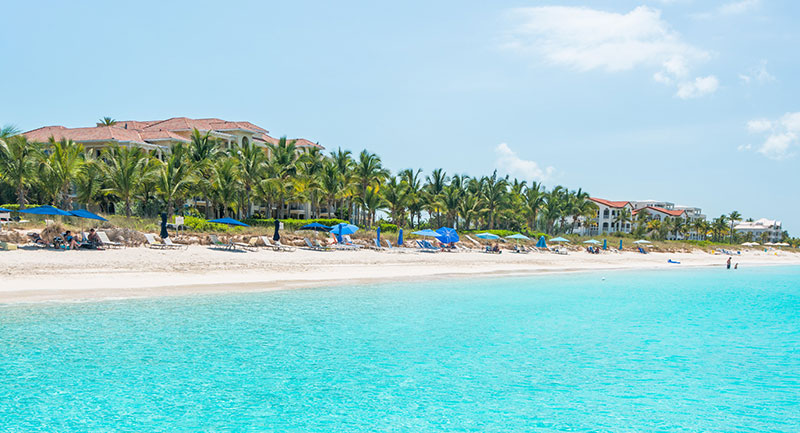
The Caribbean side of the island has calm, clear water and white sand beaches. This is where the luxury resorts cluster, earning the nickname “Platinum Coast.” The swimming is easy and the snorkelling is good, though the beaches can feel manicured and resort-dominated.
Mullins Beach – One of the best public beaches on the west coast. Clear water, beach bars, and sunbed rentals (around BD$30 / £12 for two). Snorkelling is decent off the rocks at either end.
Paynes Bay – Popular with locals and tourists alike. Good swimming, and the beach bars serve fresh fish. Sea turtles often feed in the shallows here – early morning is the best time to spot them.
Sandy Lane Beach – In front of the famous hotel but publicly accessible. Beautiful sand, calm water, and the chance to watch how the other half lives.
South Coast
More accessible to budget and mid-range travellers, with a livelier atmosphere than the west coast. The beaches here face south, catching some wave action but still swimmable.
Accra Beach (Rockley) – The most popular beach on the south coast. Good facilities, lifeguards, beach bars, and water sports rentals. Can get crowded, especially on weekends.
Miami Beach – Despite the name, a local favourite with fewer tourists. Good bodysurfing when the waves pick up.
Crane Beach – Often photographed and genuinely beautiful, with pink-tinged sand and dramatic cliffs. Access is via the Crane Resort or a long staircase. The waves can be strong.
East Coast
The Atlantic side is wilder and less developed. Swimming is generally not safe due to strong currents and waves, but the scenery is dramatic and the surfing is good.
Bathsheba – A small village with boulder-strewn beaches and powerful waves. The Soup Bowl surf break is one of the Caribbean’s best. Even if you do not surf, the landscape is worth the drive. Good restaurants overlooking the ocean.
Bottom Bay – A secluded beach with cliffs, palm trees, and heavy surf. Beautiful for photos and picnics; swimming is risky.
Bridgetown
The capital and only city, Bridgetown is a UNESCO World Heritage Site with colonial architecture and a working port. It deserves at least half a day, though most visitors rush through on a taxi tour.
What to See
Broad Street – The main shopping street, with duty-free shops in historic buildings. More interesting architecturally than commercially, unless you are shopping for jewellery or electronics.
Parliament Buildings – Neo-Gothic buildings from the 1870s housing one of the oldest parliaments in the Commonwealth. Guided tours available.
National Heroes Square – The main square, with a statue of Lord Nelson that predates the one in London’s Trafalgar Square. The surrounding buildings show the colonial administrative centre.
St. Michael’s Cathedral – Originally built in 1665, rebuilt after hurricanes. The current building dates from 1789. Cool and peaceful inside.
Garrison Historic Area – Part of the UNESCO designation, with colonial military buildings, a horse racing track (the Barbados Turf Club), and the Barbados Museum in the former military prison. Good for understanding the island’s history.
Carlisle Bay
The bay fronting Bridgetown has calm water, several wrecks for snorkelling, and the chance to swim with sea turtles. Boats offering snorkel trips depart from the beach; expect to pay BD$100-150 (£40-60) for a catamaran trip including snorkelling and drinks.
Around the Island
The Scotland District
The northeastern part of Barbados is hilly and rural, named by early Scottish settlers who saw resemblance to their homeland. The landscape is different from the rest of the island – green, agricultural, and less developed.
Cherry Tree Hill – A viewpoint with mahogany trees and views across the Scotland District to the Atlantic.
St. Nicholas Abbey – A Jacobean plantation house from 1658, one of only three genuine Jacobean mansions in the Western Hemisphere. The tour covers the house, gardens, and working rum distillery. The rum is excellent; the heritage cherry liqueur is unusual. BD$40 (£16) entry includes a rum tasting.
Harrison’s Cave
The island’s most famous natural attraction – a crystallized limestone cavern with stalactites, stalagmites, and underground streams. Tours run on electric trams through the cave system. BD$60-100 (£24-40) depending on the tour type. Book ahead.
Rum Distilleries
Barbados claims to have invented rum (Mount Gay has been distilling since 1703), and several distilleries offer tours.
Mount Gay – The most famous name. Tours range from basic tastings to cocktail masterclasses. The visitor centre is near Bridgetown; the distillery itself is not open to the public. BD$35-150 (£14-60) depending on experience.
Foursquare Rum Distillery – Known for producing some of the Caribbean’s finest rums. Limited tours but an excellent rum and heritage park. The Doorly’s and Real McCoy brands come from here.
St. Nicholas Abbey – Combines a heritage house tour with rum production. Smaller scale but atmospheric.
Animal Flower Cave
At the northernmost point of the island, sea caves with natural rock pools and views across the Atlantic. The “animal flowers” are sea anemones. BD$25 (£10) entry. The cliff-top restaurant above is good for lunch.
Food and Drink
Bajan food is flavourful, with African, British, and Caribbean influences.
Local Dishes
Cou-cou and flying fish – The national dish. Cou-cou is cornmeal and okra cooked to a polenta-like consistency; the flying fish is usually fried or steamed. Available everywhere from beach shacks to upmarket restaurants.
Macaroni pie – Bajan macaroni cheese, denser and more heavily seasoned than the American version. A staple side dish.
Fishcakes – Fried cod fritters, often eaten for breakfast or as snacks. Street vendors sell them hot.
Pudding and souse – A Saturday tradition: pickled pork with sweet potato pudding. An acquired taste but authentic.
Cutters – Sandwiches on salt bread, usually filled with ham, fish, or cheese. The classic local fast food.
Oistins Fish Fry
The Friday night fish fry at Oistins is the most famous event on the island. Vendors grill fresh fish, lobster, and chicken while music plays and locals and tourists mix. It has become touristy but remains worth experiencing. Come hungry and expect to queue for the popular stalls.
Other nights have smaller crowds and similar food – Saturday is nearly as busy as Friday, while weeknights are more local.
Rum
Barbados takes rum seriously. Mount Gay, Foursquare, Cockspur, and Doorly’s are the main local brands. Rum punch is everywhere (one of sour, two of sweet, three of strong, four of weak – lime, syrup, rum, water). Banks beer is the local lager, decent and cheap.
Budget BD$25-50 (£10-20) for a local lunch, BD$80-150 (£32-60) for dinner at a mid-range restaurant. Beach bars and rum shops are cheaper.
Practical Information
Getting Around
Rental cars – The best way to explore the island. Driving is on the left. You need a local permit (BD$10 / £4, issued by rental companies). Roads are generally good but narrow in places.
Buses – Blue government buses and yellow private minibuses run across the island. Cheap (BD$3.50 / £1.40) but not always reliable for schedules. Good for the main routes between Bridgetown, the south coast, and the west coast.
Taxis – Plentiful but expensive. Agree on fares before getting in. A taxi from the airport to the south coast costs around BD$60-80 (£24-32); to the west coast BD$80-100 (£32-40).
When to Visit
December to April – Dry season, peak tourist season, highest prices. Christmas and February school holidays are especially busy.
May to November – Wetter, with brief showers (usually in the afternoon). Lower prices and fewer crowds. Hurricane season officially runs June to November, though direct hits on Barbados are rare due to its eastern position.
The temperature stays between 26-31°C year-round. The trade winds keep things bearable.
Costs
Barbados is expensive by Caribbean standards, and very expensive compared to Southeast Asia or Central America.
- Budget hotel/guesthouse: BD$150-250 (£60-100) per night
- Mid-range hotel: BD$300-500 (£120-200) per night
- Luxury resort: BD$800+ (£320+) per night
- Local lunch: BD$25-50 (£10-20)
- Restaurant dinner: BD$80-150 (£32-60)
- Beer at a rum shop: BD$5-8 (£2-3)
- Reef snorkel trip: BD$100-150 (£40-60)
The Barbados dollar is pegged to the US dollar at 2:1. US dollars are widely accepted; change is given in Barbados dollars.
Getting There
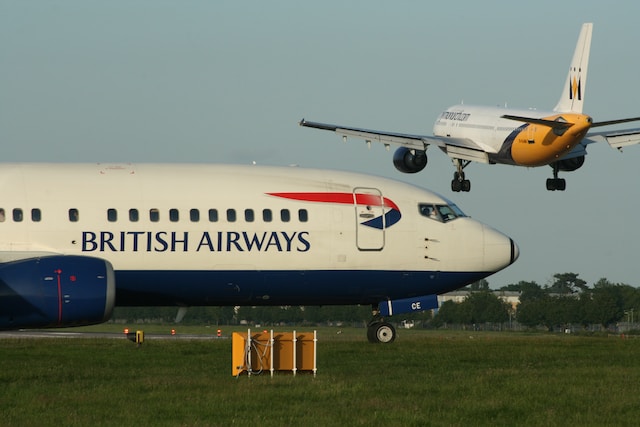
Grantley Adams International Airport receives direct flights from London (approximately 9 hours), New York, Miami, Toronto, and other Caribbean islands. British Airways, Virgin Atlantic, and Caribbean Airlines operate from the UK.
Visas
UK, US, Canadian, and EU citizens do not need a visa for stays up to 6 months. You need a valid passport and proof of return travel.
Safety
Barbados is one of the safest Caribbean islands. Violent crime is rare for tourists. Normal precautions apply: do not leave valuables unattended on beaches, be aware of your surroundings at night, and avoid isolated areas after dark.
The main hazards are strong currents on the east coast beaches and sunburn (the sun is intense).
Power
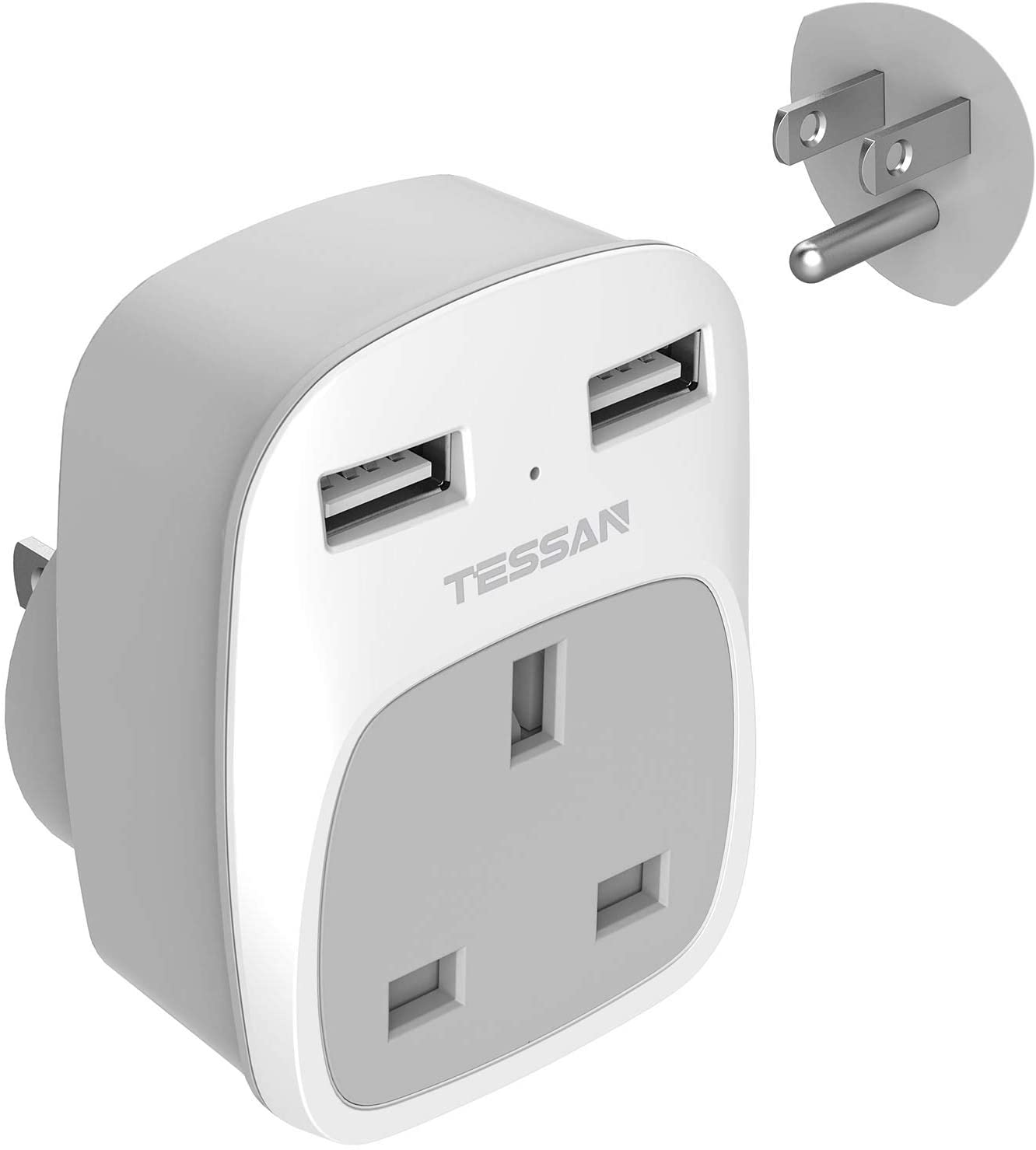
Barbados uses Type A and B plugs (two flat pins, same as US/Canada). Voltage is 115V. UK visitors need a travel adapter and should check that devices handle 115V.
Frequently Asked Questions
Do I need a visa to visit Barbados?
UK, US, Canadian, and EU citizens do not need a visa for stays up to 6 months. You need a valid passport and proof of return travel.
What is the best time to visit Barbados?
December to April is the dry season and peak tourist season with the best weather but highest prices. May to November has lower prices and fewer crowds, with brief afternoon showers. Hurricane season runs June to November, though direct hits on Barbados are rare due to its eastern position.
What currency is used in Barbados?
The Barbados dollar (BD$) is the official currency, pegged to the US dollar at 2:1. US dollars are widely accepted throughout the island, with change typically given in Barbados dollars.
What type of power plugs are used in Barbados?
Barbados uses Type A and B plugs (two flat pins, same as US/Canada) with 115V voltage. UK visitors need a travel adapter and should check that their devices handle 115V.
How expensive is Barbados?
Barbados is expensive by Caribbean standards. Budget hotels cost BD$150-250 (£60-100) per night, local lunches BD$25-50 (£10-20), and restaurant dinners BD$80-150 (£32-60). Plan accordingly for a mid to high budget destination.
Is Barbados safe for tourists?
Barbados is one of the safest Caribbean islands with violent crime rare for tourists. Normal precautions apply: don’t leave valuables unattended on beaches, be aware of surroundings at night, and avoid isolated areas after dark. The main hazards are strong currents on east coast beaches and sunburn.
Related
- Discovering the Caribbean
- Jamaica
- St Lucia
- Antigua and Barbuda
- Search flights & hotels on lastminute.com