Bulgaria Holidays: Beaches & Ski Resorts
Bulgaria holidays surprised me. I had vague expectations of grey post-Soviet cities and cheap beach resorts, and found instead a country with genuine depth – ancient ruins, mountain monasteries, Ottoman architecture, and a food and wine culture that punches well above its weight. I spent two weeks travelling from Sofia to the Black Sea coast and came away wondering why more people do not visit.
Part of the appeal is the value. Bulgaria is one of Europe’s most affordable countries, with prices roughly half what you would pay in Western Europe. But the real draw is the variety – a compact country with mountains, beaches, historic cities, and rural villages where traditions have survived largely unchanged for centuries.
Sofia
Bulgaria’s capital often gets overlooked by visitors heading straight to the coast or mountains, but Sofia deserves a day or two. The city is a palimpsest of layers – Roman ruins beneath Orthodox churches beneath Ottoman mosques beneath Communist monuments beneath modern construction. The result is messy but fascinating.
Central Sofia
Alexander Nevsky Cathedral – The symbol of Sofia, a massive neo-Byzantine cathedral with gilded domes visible across the city. The interior is dark and atmospheric, filled with icons, frescoes, and the smell of incense. Built between 1882 and 1912 to commemorate Russian soldiers who died liberating Bulgaria from Ottoman rule. Free entry; the crypt museum costs BGN 6 (£2.70).
Saint Sofia Church – The church that gave the city its name, dating to the 6th century. Simpler than Alexander Nevsky but older and more atmospheric. The underground ruins beneath the church reveal earlier Roman and medieval structures.
Serdica Complex – Roman ruins in the centre of the city, visible from street level and accessible through the metro station. The remains of the ancient city of Serdica include streets, buildings, and baths. Free to view.
Vitosha Boulevard – The main pedestrian shopping street, lined with cafes and shops. Good for people-watching and a sense of everyday Sofia.
Beyond the Centre
Boyana Church – A small medieval church on the outskirts of Sofia, UNESCO-listed for its 13th-century frescoes. The paintings predate the Italian Renaissance and are remarkably well-preserved. Book ahead; visits are limited to 15 minutes to protect the frescoes. BGN 10 (£4.50).
Mount Vitosha – The mountain that looms over Sofia, accessible by cable car from the suburbs. Good for hiking in summer and skiing in winter, with views across the city and surrounding plains.
Sofia Food
Bulgarian cuisine is hearty and meat-heavy, with influences from the Ottoman Empire and the Mediterranean.
Shopska salata – The national salad: tomatoes, cucumbers, peppers, and onions topped with grated white cheese (sirene). Refreshing and ubiquitous.
Banitsa – Flaky pastry filled with cheese and eggs, eaten for breakfast or as a snack.
Kavarma – A slow-cooked meat and vegetable stew, traditionally made in clay pots.
Kebapche – Grilled minced meat sausages, served with chips and salad.
Restaurant meals in Sofia cost BGN 15-30 (£6.70-13.50) including drinks.
Plovdiv
Bulgaria’s second city is arguably more interesting than the capital. Plovdiv claims to be one of Europe’s oldest continuously inhabited cities (alongside Athens, Rome, and a few others), and the layers of history are visible everywhere – Roman, Byzantine, Ottoman, and Bulgarian Revival architecture within walking distance.
The Old Town
The hilltop old town is the highlight, with cobbled streets, painted Revival-era houses, and Roman ruins. The houses, with their overhanging upper floors and colourful facades, are distinctively Bulgarian – several are now house-museums showing how wealthy merchants lived in the 19th century.
Roman Theatre – A beautifully preserved 2nd-century amphitheatre seating 6,000, still used for performances. The setting, with views across the city to the surrounding mountains, is spectacular. Entry BGN 5 (£2.25).
Ethnographic Museum – Housed in a gorgeous Revival mansion, with exhibits on traditional Bulgarian life. The building is as interesting as the contents.
Roman Stadium – The remains of a 2nd-century stadium, partially visible at street level in the modern city centre. You can descend to walk among the ruins.
Kapana
The former artisan quarter, now a lively district of cafes, bars, and small galleries. Good for evening drinks and casual food. The atmosphere is young and creative – Plovdiv was European Capital of Culture in 2019.
Rila Monastery
Bulgaria’s most important monastery sits in the Rila Mountains, about 120 kilometres south of Sofia. The setting – a forested valley surrounded by peaks – is spectacular, and the monastery itself is a riot of colour: striped arches, painted frescoes, and wooden balconies around a central courtyard.
The monastery was founded in the 10th century by the hermit Ivan Rilski and became a centre of Bulgarian culture and learning during centuries of Ottoman rule. The current buildings date mostly from the 19th century, rebuilt after a fire.
The Church of the Nativity, in the centre of the courtyard, is covered inside and out with frescoes depicting biblical scenes, saints, and demons. The detail is overwhelming. Hrelyo’s Tower, the only surviving medieval structure, provides views over the complex.
You can visit as a day trip from Sofia (tour buses or rental car) or stay overnight in the monastery or nearby villages. Staying allows you to experience the complex in the evening, after day-trippers leave.
The Black Sea Coast
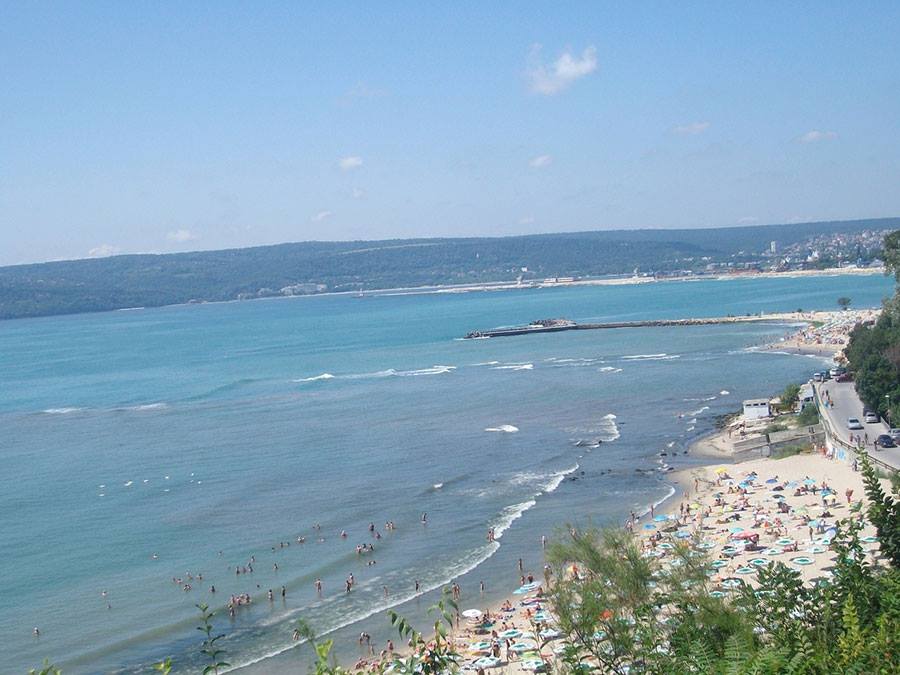
Bulgaria’s Black Sea coast stretches for nearly 400 kilometres, with beach resorts, historic towns, and stretches of undeveloped coastline. The water is warmer and calmer than the Mediterranean, and the prices are significantly lower.
Nessebar
A UNESCO-listed old town built on a small peninsula connected to the mainland by a narrow causeway. The old town is packed with medieval churches (over forty in a few square kilometres) and traditional wooden houses. The setting is photogenic; the crowds in summer can be intense.
Sozopol
A smaller, more relaxed alternative to Nessebar, with two beaches, a picturesque old town, and good seafood restaurants. The atmosphere is more bohemian – artists and musicians gather here in summer.
Varna
The largest city on the coast, with beaches, a lively centre, and the excellent Archaeological Museum (home to the world’s oldest gold treasure, dating to 4600 BC). Varna works as a base for exploring the northern coast.
Beach Resorts
Sunny Beach (Slanchev Bryag) is the largest resort, with miles of sand and a reputation for cheap package holidays and nightlife. Golden Sands (Zlatni Pyasatsi) is similar but slightly more upmarket. Both are purpose-built resort strips – good for beaches and parties, less interesting culturally.
Other Destinations
Veliko Tarnovo
The medieval capital of Bulgaria, draped across hills above the Yantra River. The Tsarevets Fortress dominates the skyline – climb to the reconstructed palace and church for views across the gorge. The old town below has craft shops, cafes, and atmospheric streets.
Belogradchik Rocks
Dramatic sandstone formations in northwestern Bulgaria, with a fortress built among the rocks. The landscape is surreal – towering red pillars eroded into strange shapes. Worth a detour if you are exploring the region.
Seven Rila Lakes
A group of glacial lakes in the Rila Mountains, accessible by chairlift and hiking trails. The scenery is spectacular – clear blue water reflecting mountain peaks. Popular with hikers and day-trippers from Sofia.
Practical Information
Getting There
Sofia Airport has direct flights from most European cities on budget carriers (Ryanair, Wizz Air) and national airlines. Varna and Burgas on the Black Sea coast also have international flights, mainly seasonal charters.
Getting Around
Trains – The rail network connects major cities but is slow. Sofia to Plovdiv takes 2.5 hours; Sofia to Varna takes 7-8 hours. Trains are cheap (BGN 15-25 / £6.70-11 for long journeys) but not particularly comfortable.
Buses – Generally faster and more frequent than trains. Private companies (Union-Ivkoni, Biomet) operate comfortable coaches between cities. Sofia to Plovdiv takes 2 hours by bus.
Rental cars – Useful for exploring mountains and coastal areas. Roads are decent; driving is manageable. Rental costs BGN 50-80 (£22-36) per day.
When to Visit
May to September – Best for beaches and outdoor activities. July and August are peak season with crowds and higher prices on the coast.
April, May, October – Shoulder season, good for cities and hiking without the crowds.
December to March – Ski season in the mountains (Bansko, Borovets). Cities are cold but uncrowded.
Costs
Bulgaria is excellent value for money.
- Hostel dorm: BGN 20-35 (£9-16) per night
- Budget hotel: BGN 60-100 (£27-45) per night
- Mid-range hotel: BGN 120-200 (£54-90) per night
- Restaurant meal: BGN 15-30 (£6.70-13.50)
- Coffee: BGN 3-5 (£1.35-2.25)
- Beer: BGN 4-7 (£1.80-3.15)
- Sofia to Plovdiv bus: BGN 14 (£6.30)
Visas
UK citizens can visit visa-free for up to 90 days. Bulgaria is an EU member but not yet part of the Schengen Area, so separate entry rules apply.
Language
Bulgarian, written in Cyrillic script. English is spoken in tourist areas and by younger people; older generations often speak Russian or German. Learning the Cyrillic alphabet helps with signs and menus.
Power
Bulgaria uses Type C and F plugs (two round pins). Voltage is 230V. UK visitors need a travel adapter.
Frequently Asked Questions
Do I need a visa to visit Bulgaria?
UK citizens can visit Bulgaria visa-free for up to 90 days. Bulgaria is an EU member but not yet part of the Schengen Area, so separate entry rules apply. Ensure your passport is valid for at least 6 months beyond your planned departure from Bulgaria.
What is the best time to visit Bulgaria?
The best time to visit Bulgaria is May to September for beaches and outdoor activities, with July and August being peak season. April, May, and October are ideal for cities and hiking with fewer crowds. December to March is ski season in mountain resorts like Bansko and Borovets.
What currency does Bulgaria use?
Bulgaria uses the Bulgarian lev (BGN), not the Euro. One pound equals approximately 2.25 BGN. Credit cards are accepted in cities and tourist areas, but cash is preferred in smaller towns and rural areas. ATMs are widely available in cities.
What type of power plugs does Bulgaria use?
Bulgaria uses Type C and F plugs with two round pins. The standard voltage is 230V at 50Hz. UK visitors will need a travel adapter. US visitors will need both an adapter and a voltage converter for appliances not rated for 230V.
How cheap is Bulgaria for tourists?
Bulgaria is one of Europe’s most affordable destinations. Budget travellers can spend as little as £15-25 per day staying in hostels. Mid-range travellers should budget £40-60 per day. Restaurant meals cost £6.70-13.50, coffee is £1.35-2.25, and beer is £1.80-3.15.
Is Bulgaria safe for tourists?
Bulgaria is generally safe for tourists. Petty crime like pickpocketing can occur in crowded tourist areas and on public transport in Sofia. Be cautious of taxi scams at airports and train stations – use registered taxis or ride-sharing apps. Avoid displaying expensive items openly.
Related
- Greece
- Turkey
- Romania
- Serbia
- Search flights & hotels on lastminute.com