Best Time to Visit Sri Lanka: Season Guide
I spent three weeks travelling Sri Lanka by train, tuk-tuk, and bus, and it felt like visiting half a dozen countries compressed into one island. One morning I was climbing the ancient rock fortress of Sigiriya at sunrise, the next I was watching elephants cross a dusty track in Uda Walawe, and by evening I was eating fresh crab curry in a colonial-era fort town. Sri Lanka packs an extraordinary amount into a relatively small space – ancient ruins, misty tea plantations, pristine beaches, wildlife safaris, and some of the friendliest people I have encountered anywhere.
Best Time to Visit Sri Lanka
Sri Lanka’s weather is complex because two different monsoons affect different parts of the island at different times.
West and South Coasts (Colombo, Galle, Mirissa): December to April offers the driest weather. This is peak season, so expect higher prices and more tourists.
East Coast (Trincomalee, Arugam Bay): May to September is best, when the west coast is wet.
Hill Country (Kandy, Ella, Nuwara Eliya): January to April is driest, though rain is possible year-round at elevation.
Cultural Triangle (Sigiriya, Anuradhapura, Polonnaruwa): February to April, after the northeast monsoon ends.
The shoulder months (April-May, October-November) can be unpredictable but offer lower prices and fewer crowds. I visited in March and had excellent weather across most of the island.
Food
Sri Lankan cuisine is distinctive – related to Indian food but with its own character. Rice and curry is the staple, but “curry” here means an array of small dishes: dhal, coconut sambal, vegetable preparations, and often fish or meat, all served on a banana leaf or metal plate.
Must-try dishes:
- Kottu roti – Chopped flatbread stir-fried with vegetables and egg or meat. The rhythmic chopping sound is everywhere at night.
- Hoppers – Bowl-shaped rice flour pancakes, often served with an egg in the centre.
- Crab curry – A coastal specialty, particularly famous in Jaffna and Negombo.
- String hoppers – Steamed rice noodle nests, typically a breakfast dish.
- Lamprais – Dutch-influenced rice and curry wrapped in banana leaf and baked.
Expect generous use of coconut, chilli, and curry leaves. Vegetarians eat well here – Buddhist influence means many meat-free options.
Where to Go
Sigiriya Rock Fortress
The icon of Sri Lanka’s Cultural Triangle. This 200-metre rock column rises abruptly from the surrounding plains, topped with the ruins of a 5th-century palace. King Kashyapa built his fortress here after murdering his father and seizing the throne – a decision that ended badly when his brother returned with an army.
The climb involves around 1,200 steps. Halfway up, the famous frescoes of the “Sigiriya Maidens” are painted into a sheltered rock face. Near the summit, enormous lion paws carved from stone mark the final ascent (the lion’s head has long since crumbled away). The views from the top extend across jungle to distant mountains.
Visiting: Arrive at 7am opening to beat the heat and crowds. The climb takes 1.5-2 hours. Bring water and sun protection.
Entry: USD 30 for foreigners (LKR 50 for locals). This is Sri Lanka’s most expensive attraction but worth it.
Kandy and the Temple of the Tooth
Sri Lanka’s cultural capital sits in the hill country, centred on an artificial lake surrounded by forested hills. The Temple of the Tooth (Sri Dalada Maligawa) holds Buddhism’s most sacred relic – a tooth believed to have belonged to Buddha himself. The tooth is kept in a golden casket within a casket within a casket, displayed briefly during daily pujas (ceremonies) at 5:30am, 9:30am, and 6:30pm.
The nearby Royal Botanical Gardens at Peradeniya cover 60 hectares with orchid houses, spice gardens, and an avenue of royal palms. Plan 2-3 hours.
Temple entry: LKR 2,000 (about USD 6). Gardens: LKR 2,000.
Galle Fort
The best-preserved colonial fort in Asia, built by the Portuguese in the 16th century and expanded by the Dutch. Today its ramparts enclose a living town of boutique hotels, cafes, art galleries, and shops occupying Dutch-era buildings. Walking the ramparts at sunset, watching cricket on the pitch below and cargo ships on the horizon, is one of Sri Lanka’s great pleasures.
The fort is easily explored on foot. Stay overnight to experience it after the day-trippers leave.
Ella
A small hill town that has become a backpacker favourite, set among tea plantations with views to the coast on clear days. The main draws are hiking (Little Adam’s Peak, Ella Rock) and the famous Nine Arch Bridge, a colonial-era viaduct where trains pass several times daily.
The train journey from Kandy to Ella is considered one of the world’s most scenic rail trips – seven hours through tea country, past waterfalls and along mountain ridges. Book second class for the best window views.
Train: Kandy to Ella costs LKR 400-600 (USD 1-2) depending on class.
Uda Walawe National Park
Sri Lanka’s best park for elephants. Unlike Africa, where elephants can be distant specks, here you’ll typically see herds within minutes of entering. The park supports 500-600 elephants plus water buffalo, crocodiles, and prolific birdlife.
Safari jeeps depart from the park entrance. Morning and late afternoon safaris offer the best sightings.
Entry: USD 15 per person plus vehicle fees (typically USD 35-50 for a half-day jeep including driver).
Adam’s Peak (Sri Pada)
The sacred mountain climbed by pilgrims of all faiths – Buddhists believe a footprint at the summit belongs to Buddha, Hindus attribute it to Shiva, Muslims and Christians to Adam. The traditional pilgrimage season runs December to May, when the path is illuminated by lights and tea stalls operate through the night.
Most climbers start at 2am from Dalhousie to reach the summit for sunrise. The climb involves 5,500 steps and takes 3-4 hours up. It is demanding but achievable for anyone reasonably fit.
Beaches
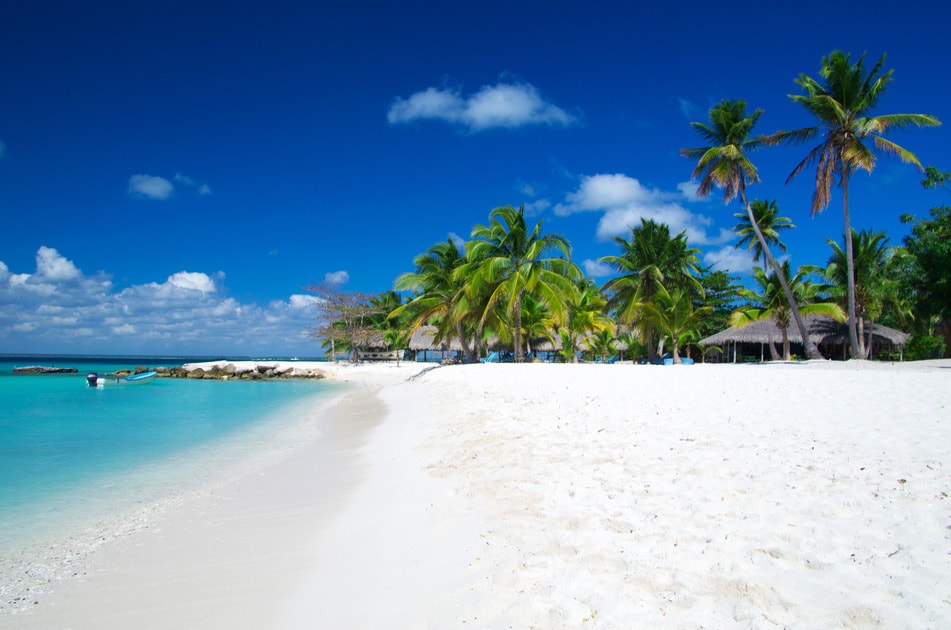
South Coast: Mirissa and Unawatuna offer palm-fringed beaches, surf breaks, and whale watching (December-April). Tangalle is quieter with longer stretches of sand.
East Coast: Arugam Bay is Sri Lanka’s surf capital, with a laid-back vibe and consistent waves May-October. Trincomalee has calmer waters for swimming.
Practical Information
Visa: Most nationalities need an Electronic Travel Authorization (ETA), available online for USD 50 (30-day stay). Apply at eta.gov.lk before arrival.
Getting around: Trains are slow but scenic and incredibly cheap. Buses reach everywhere but can be crowded. Private drivers charge USD 50-80 per day including car – worthwhile for the flexibility. Tuk-tuks handle short distances; agree on fares before setting off.
Costs: Sri Lanka offers excellent value. Guesthouse rooms cost USD 20-40, mid-range hotels USD 50-100. A rice and curry lunch costs USD 2-4 at local restaurants. Entry fees add up at major sites.
Health: No vaccinations are mandatory but hepatitis A, typhoid, and routine vaccinations are recommended. Tap water is not safe to drink – stick to bottled or filtered water.
Currency: Sri Lankan Rupee (LKR). ATMs are widely available. Credit cards accepted at hotels and larger restaurants but carry cash for smaller establishments.
Frequently Asked Questions
When is the best time to visit Sri Lanka?
The best time depends on which region you’re visiting. For the west and south coasts (Colombo, Galle, Mirissa), December to April is driest. For the east coast (Arugam Bay), May to September is best. The hill country is ideal from January to April, though rain is possible year-round.
Do I need a visa for Sri Lanka?
Most nationalities need an Electronic Travel Authorization (ETA), available online for USD 50 for a 30-day stay. Apply at eta.gov.lk before arrival to avoid delays at the airport.
What currency does Sri Lanka use?
Sri Lanka uses the Sri Lankan Rupee (LKR). ATMs are widely available and credit cards are accepted at hotels and larger restaurants. However, carry cash for smaller establishments, tuk-tuks, and entrance fees.
What are the must-try foods in Sri Lanka?
Try rice and curry (an array of small dishes served together), kottu roti (chopped flatbread stir-fried with vegetables and meat), hoppers (bowl-shaped rice flour pancakes), crab curry, and string hoppers. Expect generous use of coconut, chilli, and curry leaves.
How much does it cost to travel in Sri Lanka?
Sri Lanka offers excellent value. Guesthouse rooms cost USD 20-40, mid-range hotels USD 50-100. A rice and curry lunch costs USD 2-4 at local restaurants. Entry fees for major sites add up but are generally reasonable.
Is the water safe to drink in Sri Lanka?
No, tap water is not safe to drink. Stick to bottled or filtered water. No vaccinations are mandatory but hepatitis A, typhoid, and routine vaccinations are recommended.