Passport Covers and Holders Guide
I destroyed my first passport by keeping it loose in my bag. The corners bent, the cover got scratched, and by year three the photo page was so worn that an immigration officer in Thailand held it up to the light suspiciously before stamping it. The £82.50 replacement fee taught me the lesson. Since then I have used a leather passport cover that has outlasted two passports already. A decent cover costs £15-25 and protects a document that costs four times that to replace – the maths is simple.
Your passport takes a beating when you travel. It gets shoved into bags, passed through sweaty hands at immigration, and stuffed into back pockets. After a few trips, the corners start to curl, the cover gets scratched, and those visa stamps become harder to read. A decent passport cover can extend the life of your passport significantly – and save you the hassle and expense of early replacement.
Why Bother With a Passport Cover?
Passports aren’t cheap to replace. In the UK, a standard adult passport costs £82.50. In the US, it’s $130 for a new book. Damage that makes your passport unreadable – water damage, torn pages, a worn-out photo page – means you’re paying that fee again.
Beyond protection, there are practical reasons to use a cover:
Quick identification at airports – When you’re travelling with family or a group, matching passport holders make it easy to grab the right one. Personalised covers with initials solve the “whose passport is this?” problem at check-in.
Organisation – Many holders include slots for boarding passes, travel cards, and loose documents. When you’re juggling bags and boarding passes at security, having everything in one place helps.
RFID protection – Modern biometric passports contain chips that can theoretically be skimmed. While the risk is low, RFID-blocking covers provide peace of mind for security-conscious travellers.
Types of Passport Protection
Basic Passport Sleeves
The simplest option – a thin cover that slips over your passport. Usually made from PVC or faux leather, these cost £3-8 and protect against scratches, minor spills, and general wear.
Best for: Occasional travellers who want basic protection without bulk.
Drawbacks: No storage for other documents. Cheaper versions can crack or peel after a year or two.
Leather Passport Covers
Genuine leather covers cost more (£15-40) but age better than synthetic alternatives. The leather develops a patina over time and typically outlasts several passports. Look for full-grain leather rather than bonded leather, which is essentially leather scraps glued together.
Best for: Frequent travellers who value durability and don’t mind the higher upfront cost.
Drawbacks: Heavier than synthetic options. Some leather covers are bulky and don’t fit easily in trouser pockets.
Passport Holders with Card Slots
These combine passport protection with wallet functionality. A typical holder includes the passport sleeve plus 4-8 card slots, a cash pocket, and space for folded documents like boarding passes or travel insurance printouts.
Best for: Travellers who want to consolidate their documents and reduce the number of items to track.
Drawbacks: Bulkier than simple covers. If you lose it, you’ve lost everything. Some find them too thick for comfort in a pocket.
Travel Organisers
The comprehensive option – a larger case or folder that holds passports for an entire family, along with tickets, itineraries, and travel documents. These range from simple zippered pouches to elaborate organisers with labelled sections.
Best for: Family travel, group trips, or anyone who carries extensive documentation.
Drawbacks: Too large for pocket carry. You’ll need to keep it in hand luggage or a day bag.
Features to Consider
RFID Blocking
Biometric passports contain RFID chips storing your personal data. Thieves could theoretically read this data using portable scanners. In practice, this requires getting very close to the passport and cracking the chip’s encryption – making it a low-probability threat.
That said, RFID-blocking covers and holders are widely available at minimal extra cost. If it provides peace of mind, there’s no downside to choosing one.
Size and Fit
Not all passports are the same size. UK passports measure 125mm x 88mm. US passports are slightly different at 125mm x 88mm (the standard ID-3 size). Most covers fit both, but check the dimensions if you’re buying for a non-standard passport.
Also consider how the cover fits when your passport is full. A passport with years of visa stamps and entry/exit stamps is noticeably thicker than a new one.
Closure Type
Some covers are open-ended sleeves. Others use elastic straps, press studs, or zips. Zippered covers offer the most security but add time when you need to present your passport. Elastic closures are a good middle ground.
Material Durability
PVC and faux leather covers are cheap but have a lifespan of 2-4 years with regular use. Genuine leather lasts 10+ years. Canvas and nylon covers fall somewhere in between – durable but less elegant.
Practical Tips
Don’t over-rely on your cover for waterproofing. Most covers offer splash resistance at best. If you’re heading somewhere tropical during monsoon season, keep your passport in a dry bag or waterproof pouch inside your main bag.
Remove the cover at immigration. Some border agents want to see the full passport, including the cover. Others are fine with you leaving it on. To avoid delays, slip it off before you reach the desk.
Check airline requirements. Self-service check-in kiosks and automated gates often require you to insert your passport. Bulky covers may not fit the scanners.
Consider a lanyard or clip attachment if you’re prone to losing things. Some organisers come with wrist straps or can be clipped to bag interiors.
Our Recommendation
For most travellers, a mid-range leather cover with a couple of card slots hits the right balance of protection, functionality, and portability. Expect to pay £15-25 for a quality option that will last years.
If you travel frequently with family, a travel organiser makes sense for keeping everyone’s documents together. For solo travellers who keep their passport in a bag rather than a pocket, a simple sleeve is sufficient.
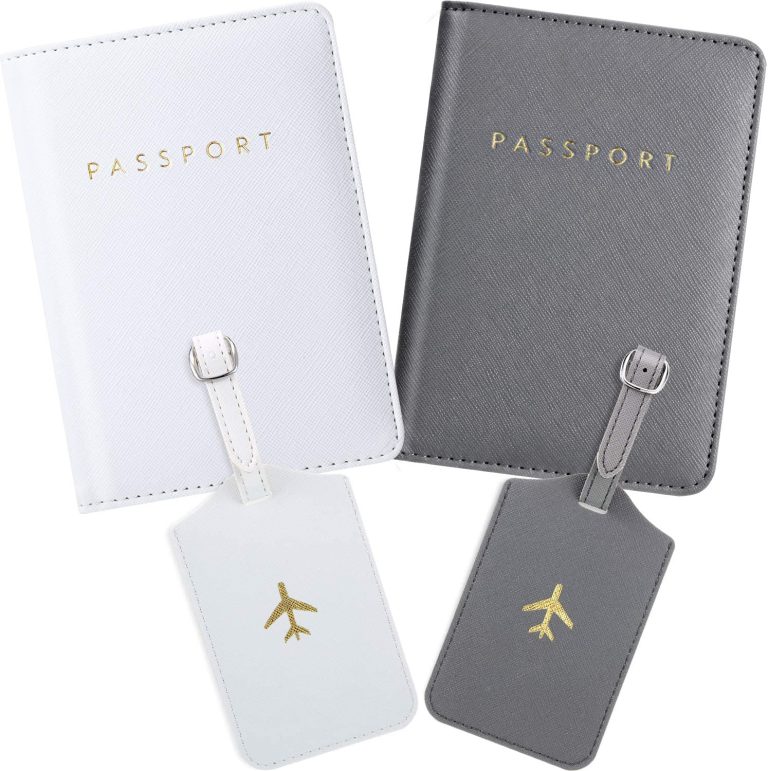
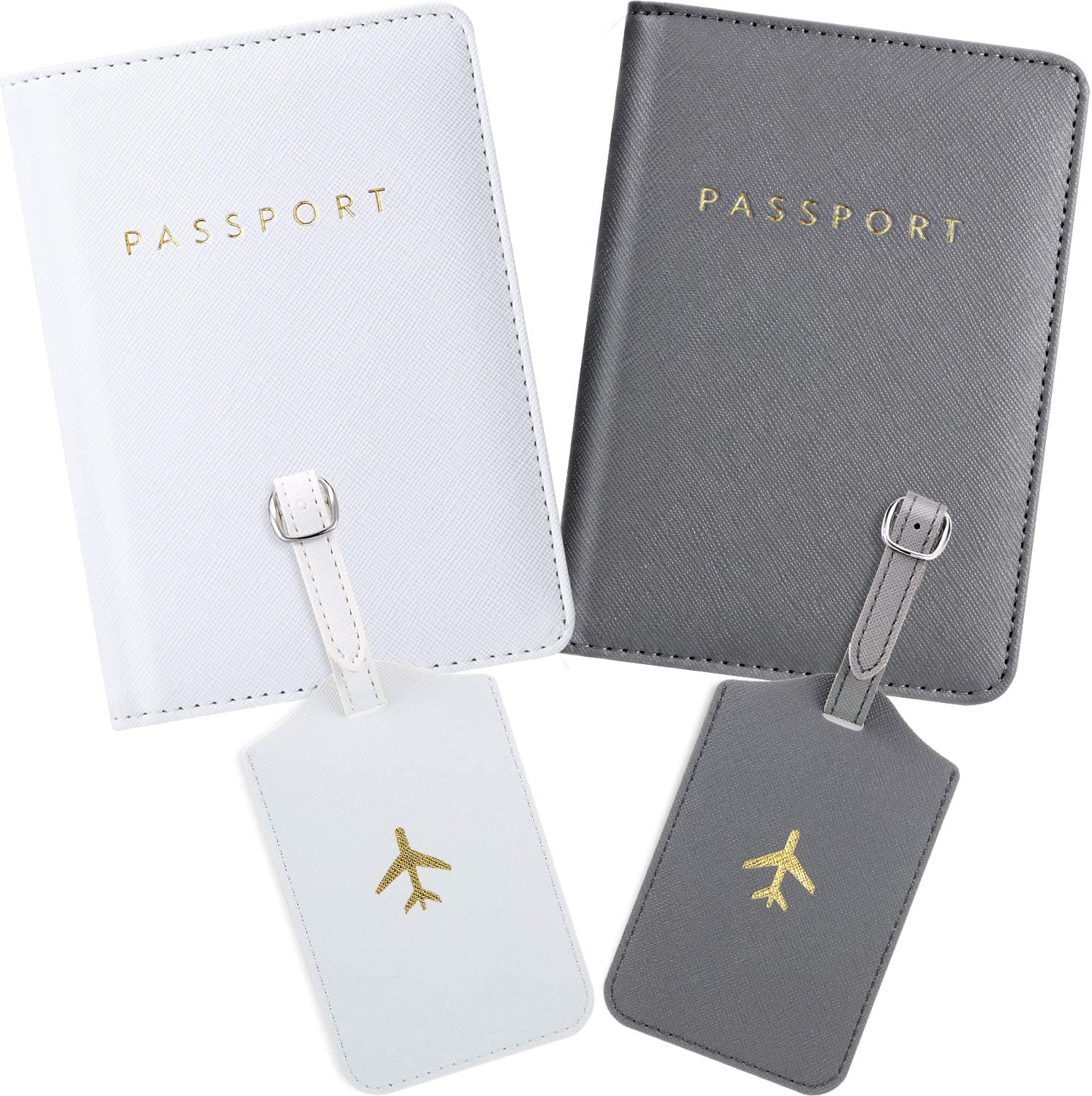
A practical set that includes two passport covers and matching luggage tags. The faux leather covers are slim enough to fit in a pocket while providing basic protection against scratches and wear.
Bottom Line
A passport cover is a small investment that protects a document worth over £80 to replace. Whether you opt for a basic sleeve or a full travel organiser depends on how you travel and what you need to carry. The best choice is one you’ll actually use – so pick something that fits your travel style rather than the fanciest option available.
Frequently Asked Questions
Do I actually need a passport cover?
It is a small amount of money against a large one. A UK adult passport costs £82.50 to replace and a US book is $130, and damage that makes a passport unreadable means replacing it. I ruined my first one by carrying it loose in a bag.
How much should a passport cover cost?
Basic PVC or faux leather sleeves run £3 to £8 and handle scratches and minor spills. Genuine leather is £15 to £40. For most travellers a mid-range leather cover with a couple of card slots at £15 to £25 is the right balance.
Is a leather cover worth paying extra for?
If you travel often, yes. Leather ages better than synthetic, develops a patina, and typically outlasts several passports rather than one.
What should I look for beyond the material?
Fit is the one people get wrong — a cover that is loose lets the passport shift and bend at the corners, which is the damage you are trying to prevent in the first place. After that, consider the closure type and whether you want card slots or RFID blocking.