Mexico exceeded every expectation I had, and I had not set the bar low. I spent a month travelling from Mexico City through Oaxaca to the Yucatan, and by the end I understood why people come for two weeks and stay for years. The food is extraordinary – genuinely one of the world’s great cuisines, and nothing like the Tex-Mex I had expected. The ancient ruins rival anything in Egypt or Southeast Asia. And the variety of landscapes, from high-altitude cities to Caribbean beaches to jungle-covered pyramids, makes this feel like several countries in one.
What surprised me most was Mexico City itself. I had been warned about the chaos and pollution and found instead a sophisticated, cultured metropolis with world-class museums, incredible food, and neighbourhoods I could have explored for weeks. The city alone deserves a dedicated trip.
Mexico City
One of the world’s largest cities, Mexico City sits in a high valley (2,250 metres elevation) on the ruins of the Aztec capital Tenochtitlan. The altitude catches some visitors off guard – the air is thinner, and the first day or two can feel more tiring than expected.
Centro Historico
The historic centre is built literally on top of Aztec ruins. The Zocalo, one of the world’s largest public squares, sits where the Aztec ceremonial centre once stood.
Templo Mayor – The excavated remains of the Aztec main temple, discovered in 1978 during construction work. The adjacent museum houses thousands of Aztec artifacts. Entry MX$90 (£4).
Palacio Nacional – The presidential palace, with Diego Rivera’s famous murals depicting Mexican history. Free entry; bring ID.
Metropolitan Cathedral – One of the largest and oldest cathedrals in the Americas, slowly sinking into the soft lakebed beneath the city.
Neighbourhoods
Coyoacan – A bohemian neighbourhood with colonial streets, plazas, and the Frida Kahlo Museum (Casa Azul). Book museum tickets well ahead – they sell out. MX$270 (£11).
Roma and Condesa – Tree-lined streets, art deco architecture, and the best concentration of restaurants and cafes. This is where young Mexico City hangs out.
Chapultepec – A massive urban park containing the National Museum of Anthropology (essential, world-class), Chapultepec Castle, and miles of green space.
Mexico City Food
The city’s food scene is extraordinary and diverse.
Tacos – Street tacos here bear no resemblance to what passes for Mexican food abroad. Tacos al pastor (spit-roasted pork with pineapple), carnitas (braised pork), and barbacoa (slow-cooked beef) are staples. Street tacos cost MX$15-30 (£0.60-1.20) each.
Tortas – Mexican sandwiches, often better than the sum of their parts.
Tamales – Corn dough with fillings, steamed in corn husks. Breakfast food.
Quesadillas – In Mexico City, sometimes made without cheese (confusingly), filled with squash blossoms, mushrooms, or meat.
Markets – Mercado de la Merced and Mercado de San Juan offer overwhelming variety of food and produce.
Budget MX$100-200 (£4-8) for a good street food meal, MX$400-800 (£16-32) for a sit-down restaurant.
Oaxaca
The state and city of Oaxaca, south of Mexico City, is Mexico’s cultural and culinary heart. The food here is considered Mexico’s best, the indigenous culture is strong, and the colonial city is beautiful.
Oaxaca City
A UNESCO World Heritage Site with green stone buildings, tree-filled plazas, and some of Mexico’s best restaurants.
Santo Domingo Church – Stunning baroque church with elaborate gold interior. The adjacent museum has excellent pre-Columbian artifacts.
Monte Alban – The ancient Zapotec capital, perched on a mountain above the city. The ruins are extensive and the views are spectacular. MX$95 (£4) entry; easily visited as a half-day trip.
Markets – Mercado Benito Juarez and Mercado 20 de Noviembre for food, handicrafts, and mezcal.
Oaxacan Food
Mole – The signature dish: complex sauces made from chillies, chocolate, spices, and dozens of other ingredients. Oaxaca has seven traditional moles; mole negro (black mole) is the most famous.
Tlayudas – Large crispy tortillas topped with beans, cheese, meat, and vegetables. Oaxacan pizza, essentially.
Mezcal – The smoky agave spirit, made traditionally in Oaxaca. Mezcalerias and tasting tours abound.
Chapulines – Toasted grasshoppers seasoned with chili and lime. Try them – they are better than they sound.
The Yucatan Peninsula
The Caribbean coast of Mexico combines beaches, ancient Mayan ruins, and colonial cities. The main destinations line up conveniently for a road trip or bus route.
Chichen Itza
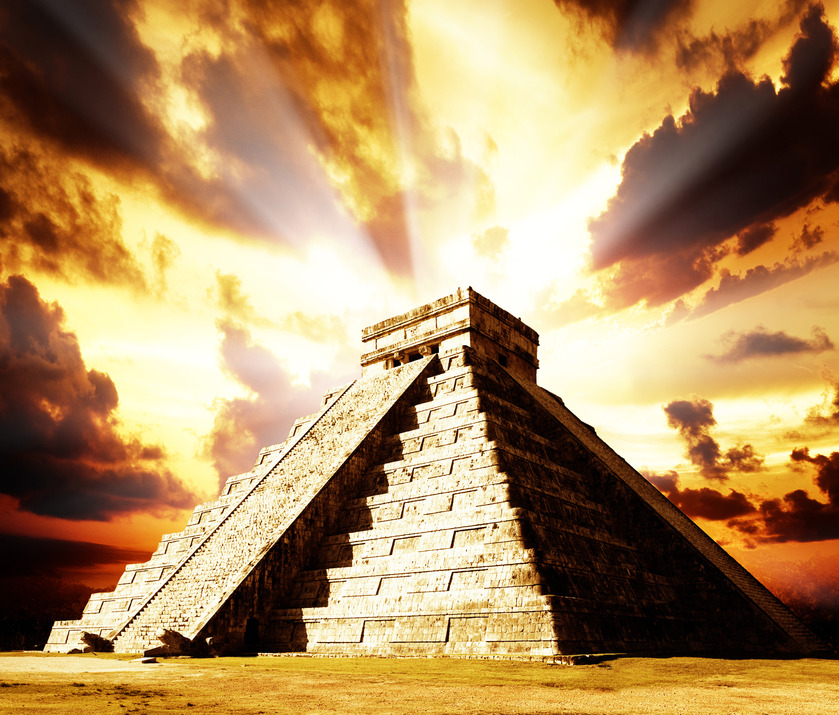
The most famous Mayan site, and deservedly so. The pyramid of Kukulcan is stunning, and the site is vast. The crowds can be overwhelming – arrive at opening (8am) or late afternoon for the best experience.
Entry MX$614 (£25) for foreigners, including state and federal fees. The site is about 2 hours from both Merida and Cancun.
Merida
The colonial capital of Yucatan state, with pastel-coloured buildings, shaded plazas, and a slower pace than the coast. The food is excellent (try cochinita pibil – slow-roasted pork) and the city makes a good base for exploring the region.
Tulum
Beach ruins: a small Mayan site perched on cliffs above turquoise Caribbean water. The ruins themselves are modest compared to Chichen Itza, but the setting is spectacular. The town below has become heavily developed with yoga retreats and Instagram-ready hotels.
Playa del Carmen and the Riviera Maya
The main tourist strip along the Caribbean coast. Playa del Carmen is the central hub – more accessible and less overwhelming than Cancun. The beaches are excellent, the diving is good (the world’s second-largest barrier reef runs offshore), and the cenotes (freshwater sinkholes) offer unique swimming and diving.
Cancun
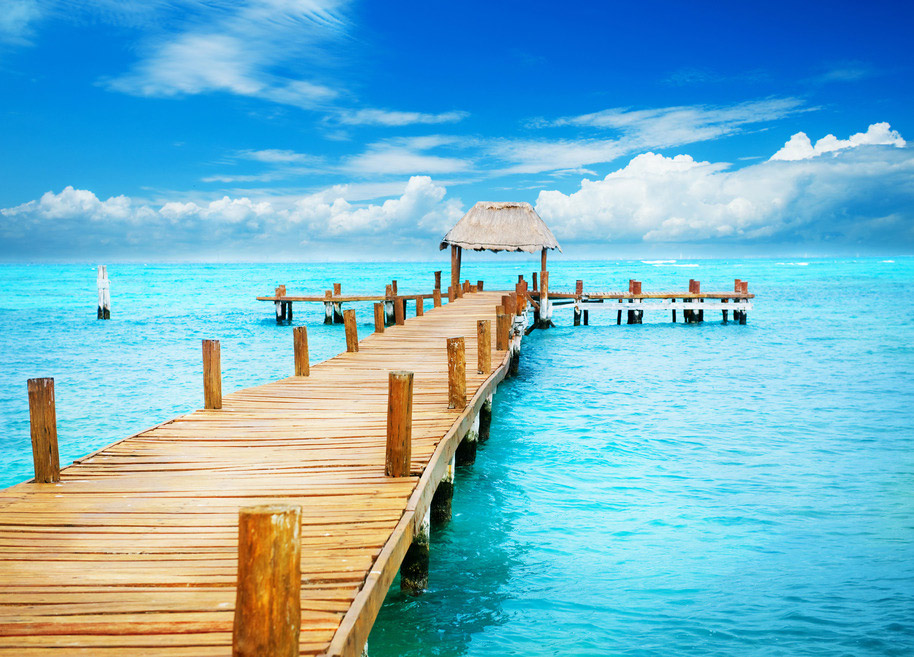
The resort city at the peninsula’s northeastern tip. The hotel zone has pristine beaches and all-inclusive resorts; the city itself (centro) is more authentically Mexican. Most visitors to the Yucatan fly into Cancun International Airport.
Cenotes
Underground freshwater pools formed by collapsed limestone, unique to the Yucatan. Swimming in a cenote – cool water, shafts of light filtering through holes in the rock above – is one of Mexico’s best experiences. Cenote Ik Kil (near Chichen Itza), Cenote Dos Ojos (near Tulum), and Gran Cenote are among the most popular.
Pacific Coast
Puerto Vallarta
A resort city on the Pacific coast with a charming old town, good beaches, and a more relaxed feel than the Caribbean coast. Popular with North American tourists and retirees.
Oaxaca Coast
The beaches south of Oaxaca City – Puerto Escondido, Mazunte, Zipolite – offer a more laid-back, backpacker-friendly alternative to the Riviera Maya. Puerto Escondido has excellent surfing; the smaller towns are quiet and inexpensive.
Practical Information
Getting Around
Domestic flights – Volaris, VivaAerobus, and Aeromexico connect major cities cheaply if booked ahead. Mexico City to Cancun takes 2 hours.
Buses – Mexico has excellent long-distance buses. ADO and ETN operate comfortable first-class services with air conditioning, reclining seats, and toilets. Mexico City to Oaxaca takes about 6 hours; Cancun to Merida about 4 hours. Prices are reasonable – expect MX$500-1,000 (£20-40) for most long-distance routes.
Colectivos – Shared vans that run fixed routes, common in the Yucatan and other regions. Cheap and frequent.
Rental cars – Useful for exploring the Yucatan, where distances are manageable and roads are good. Less practical in Mexico City, where traffic is brutal and parking difficult.
When to Visit
November to April – Dry season across most of Mexico. The best time for most destinations. December-January is peak tourist season.
May to October – Rainy season, with afternoon showers common. The Caribbean coast sees hurricanes June-November (September-October are peak risk).
Year-round – Mexico City has mild temperatures year-round due to altitude (though it does have a rainy season May-October).
Costs
Mexico is excellent value for money.
- Hostel dorm: MX$250-400 (£10-16) per night
- Budget hotel: MX$600-1,200 (£24-48) per night
- Mid-range hotel: MX$1,500-3,000 (£60-120) per night
- Street food meal: MX$100-200 (£4-8)
- Restaurant meal: MX$300-600 (£12-24)
- Beer: MX$40-80 (£1.60-3.20)
- Long-distance bus: MX$500-1,000 (£20-40)
- Chichen Itza entry: MX$614 (£25)
Visas
UK, US, Canadian, EU, and Australian citizens receive a tourist permit (FMM) on arrival, valid for up to 180 days. Fill out the form on arrival; keep the stamped portion for exit.
Safety
Safety in Mexico varies dramatically by region. Tourist areas (Mexico City, Yucatan, Oaxaca, major resorts) are generally safe with normal precautions. Some northern states and specific areas have significant cartel violence – check current advisories.
General precautions:
- Use ATMs inside banks or shopping centres
- Take official taxis or Uber rather than hailing street cabs
- Keep valuables out of sight
- Be cautious with drinks in bars and clubs
Language
Spanish. English is spoken in tourist areas but limited elsewhere. Basic Spanish helps enormously and is appreciated.
Power
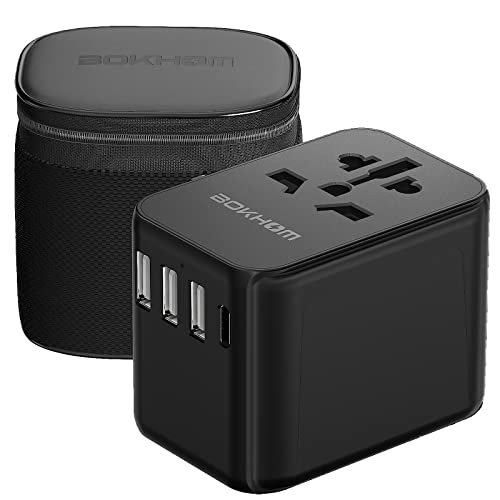
Mexico uses Type A and B plugs (two flat pins, same as US/Canada). Voltage is 127V. UK visitors need a travel adapter.
Related
- Paradisus Cancun
- Costa Rica
- Guatemala
- Cuba