Is Antalya Turkey Safe for Tourists? An Honest Assessment
The Short Answer
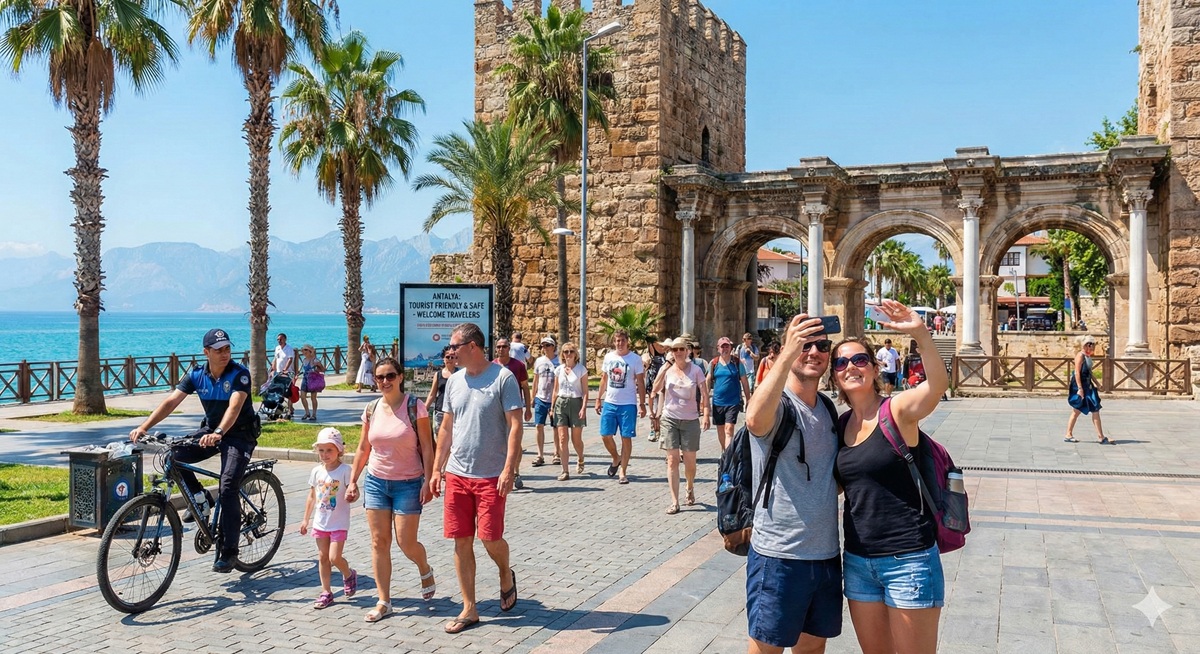
Yes, Antalya is generally safe for tourists. It receives over 15 million visitors a year and serious crime against tourists is rare. That said, it’s not risk-free, and a few things are worth knowing before you go.
Crime and Personal Safety
Violent crime against tourists in Antalya is uncommon. There’s a visible police presence in tourist areas, particularly around Kaleiçi, Lara Beach, and the harbour.
Petty crime is the main thing to watch, as with any busy tourist destination. Pickpocketing happens in crowded spots — the bazaars, packed beaches, and public transport. The usual precautions apply: keep valuables out of sight, use a zipped bag, and don’t leave your phone on the restaurant table while you eat.
At night: The old town is generally safe after dark, with restaurants and bars open late. The main areas — Kaleiçi, Lara Beach, the Konyaaltı promenade — are well-lit and busy most evenings. As anywhere, poorly lit back streets in unfamiliar areas are best avoided.
Common Scams to Watch For
Antalya’s scams are more irritating than dangerous. Here are the ones worth knowing:
The shoe-shine trick: A shoe shiner drops his brush near you, you pick it up, he insists on cleaning your shoes as a thank you, then demands an inflated payment. Just walk on.
Restaurant overcharging: Some Kaleiçi restaurants add unordered items to the bill — bread, meze you never asked for. Check the itemised bill before paying and query anything that looks odd.
Taxi meter dodging: Airport and tourist-area taxis sometimes “forget” to turn the meter on. Insist on it at the start of the journey. If the driver refuses, get out.
Carpet shop invitations: A friendly local invites you for tea, which turns into a high-pressure carpet sales pitch. The tea is genuine enough, but the prices are not. Go if you enjoy the theatre of it, but you’re under no obligation to buy.
Currency confusion: Some vendors quote prices that sound like lira but are actually euros. Agree on the currency before you commit to anything.
None of these will ruin your trip. They’re just worth knowing so you can handle them with a smile and keep walking.
Solo Female Travel
Antalya is one of the more comfortable cities in Turkey for solo female travellers, particularly in the tourist areas.
A few things to be aware of: unwanted attention from men does happen, especially in the bazaars and less touristy neighbourhoods. It’s usually verbal and stops with a firm refusal. Conservative dress isn’t required in tourist areas, but can help in more local neighbourhoods. Stick to busier streets in the old town after dark. The hostel scene here is welcoming, and joining group activities like walking tours or cooking classes is an easy way to meet people.
Most solo female travellers I’ve spoken to report positive experiences in Antalya, particularly those who’ve travelled independently before and know how to set boundaries confidently.
LGBTQ+ Travellers
Turkey’s legal position on LGBTQ+ rights is complicated. Homosexuality is legal, but there are no anti-discrimination protections, and attitudes outside Istanbul can be quite conservative.
In practice, Antalya’s tourist areas are cosmopolitan and most LGBTQ+ visitors who aren’t seeking attention won’t have problems. Same-sex couples booking hotel rooms together is normal and unlikely to cause any fuss. That said, public displays of affection are less common in Turkish culture generally — something to factor in regardless of who you’re travelling with.
Family Safety
Antalya is popular with families and the resort areas (Lara Beach, Belek) are set up for it — secure environments, kids’ clubs, lifeguarded pools and beaches.
Beach safety: Public beaches generally don’t have lifeguards outside resort areas. The sea is calm most of the time but currents do occur. Supervise children on public beaches.
Food safety: Stick to busy restaurants with quick turnover — the food will be fresh. Avoid buffets that have been sitting out in the heat. Stomach upsets happen occasionally but are no more common than elsewhere in the Mediterranean.
Sun: This is probably the real health risk that most people underestimate. Antalya in summer regularly hits 35–40°C. Heat exhaustion affects tourists every year, especially children. High-factor sunscreen, hats, and keeping out of the sun between midday and 3pm aren’t just good ideas.
Health and Medical
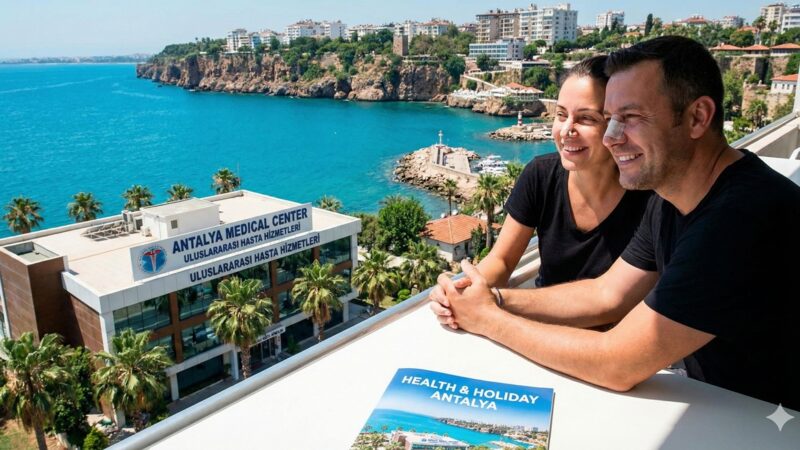
Private hospitals in Antalya are good, with English-speaking staff and modern facilities. Several specifically cater to tourists.
A few things to note:
- EU/UK health cards (GHIC/EHIC) are NOT valid in Turkey. Travel insurance is not optional.
- Pharmacies (eczane) are well-stocked and staff often speak some English. Many medications that require a prescription in the UK are available over the counter here.
- The tap water is technically safe but locals and most long-term visitors drink bottled. Worth following their lead.
- Mosquitoes are around in summer evenings. Bring repellent.
What the UK Government Says
The FCDO does not advise against travel to Antalya or the Turkish Mediterranean coast. The main advisories relate to areas near the Syrian border, which are hundreds of kilometres from where you’ll be.
Standard advice applies: take out comprehensive travel insurance, register your trip with the FCDO’s travel notification service, and keep copies of your important documents somewhere separate from the originals.
Natural Hazards
Turkey is in an earthquake zone. Antalya gets minor tremors occasionally, but there hasn’t been a significant earthquake in the tourist area in recent memory. Modern buildings here are built to seismic standards. No special preparation is needed, though it’s worth knowing where your hotel’s emergency exits are — which is just sensible wherever you stay.
The Realistic Summary
Antalya is about as safe as any popular Mediterranean destination, arguably more so than some. What’s most likely to cause you actual grief is sunburn, an upset stomach from a questionable buffet, or overpaying in a taxi because you didn’t insist on the meter. Serious incidents involving tourists are rare.
Get decent travel insurance, know the handful of scams to sidestep, and you’ll almost certainly have no problems.
Frequently asked questions
Is Antalya safe at night?
The main tourist areas (Kaleiçi, Lara Beach, Konyaaltı promenade) are generally safe at night with plenty of people around. Avoid unlit side streets and use licensed taxis.
Is Antalya safe for British tourists?
Yes. British tourists make up a significant proportion of Antalya’s visitors and the infrastructure caters to them well. The UK government does not advise against travel to the Antalya region.
Do I need travel insurance for Antalya?
Absolutely. UK health cards aren’t valid in Turkey, so without insurance you’d pay out of pocket for any medical treatment. Even basic cover is essential.
Read our complete Antalya Turkey Travel Guide for more.