Things to Do in Chiang Mai: Thailand Guide
The main things to do in Chiang Mai are slow ones: temples, night markets, cooking classes, a day with rescued elephants and trips into the mountains. The city is calmer than Bangkok. Monks collect alms at dawn, the old town shuts its main street to traffic every Sunday for a market, and the midday heat suits a long lunch better than a temple run.
Chiang Mai is Thailand’s second-largest city and the cultural centre of the north. It was founded in 1296 as the capital of the Lanna Kingdom, and the old town still sits inside a square moat. The city district alone has more than 100 Buddhist temples. Most visitors come for the temples and markets, and use the city as a base for trekking or an ethical elephant sanctuary.
Temples
You can’t see them all, so start with these.
Wat Phra That Doi Suthep
The region’s best-known temple sits on a mountain about 15 km from the city. You reach the golden chedi (stupa) by a staircase of around 300 steps lined with naga serpents, or by tram. On a clear day the view over Chiang Mai is excellent.
Red songthaew trucks run up the mountain throughout the day. Agree the fare before you get in.
Wat Chedi Luang
This old town temple held the Emerald Buddha (now in Bangkok) from 1468 to 1551. An earthquake in 1545 brought down the top of the central chedi, and it has been left in its ruined state, which makes it more striking.
The temple runs daily “monk chats”, where visitors can talk with monks, usually novices, about Buddhism and life in Thailand.
Wat Phra Singh
Another major old town temple, home to an important Buddha image and built in classic Lanna style. It is quieter than Doi Suthep, and the murals alone justify the visit.
Others Worth Seeing
Wat Umong: A forest temple with meditation tunnels, away from the crowds.
Wat Suan Dok: Rows of whitewashed mausoleums holding the ashes of Chiang Mai’s royal family, best seen at sunset.
Markets
Night Bazaar
Runs every evening along Chang Klan Road. It is aimed at tourists, with clothes, souvenirs and food stalls. Quality varies, so bargain.
Sunday Walking Street
The main market of the week. Ratchadamnoen Road in the old town closes to traffic and fills with handicraft, art and street food stalls from around 4pm until late. Go hungry.
Saturday Walking Street
Similar to Sunday’s, along Wualai Road south of the old town, and a little smaller and quieter.
Warorot Market
A local market rather than a tourist one: food, dried goods and daily Thai life. The flower market next door is worth a look.
Food
Northern Thai food is different from what you find in Bangkok or on the southern beaches.
Khao soi is the signature dish: egg noodles in a rich coconut curry, topped with crispy fried noodles. Every restaurant makes it differently, so try a few.
Sai ua is northern Thai sausage, packed with lemongrass, galangal and herbs. Look for it at the markets.
Larb in the north is often made with minced pork and eaten with sticky rice, and it is spicier and more herbal than southern versions.
Cooking classes are a Chiang Mai staple. Half-day classes usually include a market visit and four or five dishes. Thai Farm Cooking School and Cooking@Home are two of the well-reviewed options, both on farms outside the city.
Elephant Experiences
Several sanctuaries near Chiang Mai let you see elephants without riding them. Riding harms elephants, and so do shows and painting, so skip any camp that offers them.
Elephant Nature Park, co-founded by Sangduen “Lek” Chailert, is the best known. A full day includes feeding and bathing the elephants, and it fills up, so book ahead.
Elephant Jungle Sanctuary and Ran-Tong run similar visits. Whichever you choose, check its current policy on riding and bathing before you book. Day visits usually include transport and lunch; check prices on the sanctuary’s own site.
Day Trips
Doi Inthanon National Park
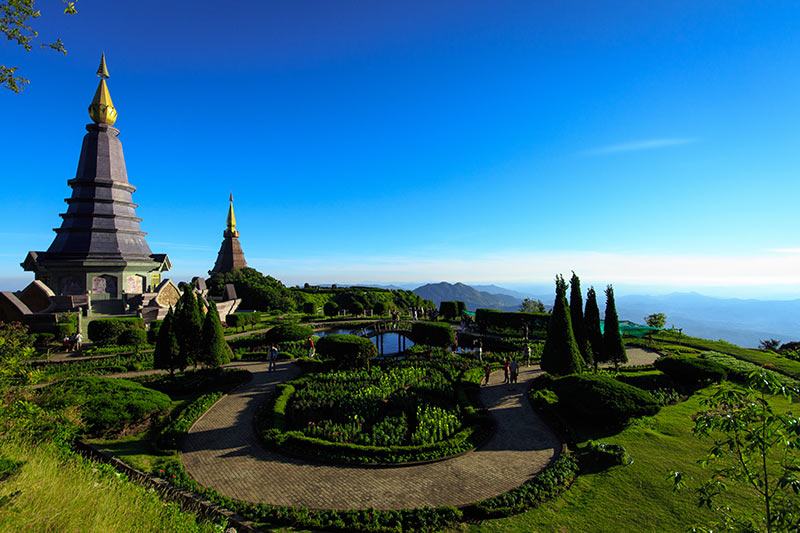
Doi Inthanon is Thailand’s highest mountain (2,565 m), with cooler air, waterfalls and two royal chedis near the summit, built for the King’s and Queen’s 60th birthdays. Go with a car or on an organised tour.
Pai
A small mountain town about 146 km north-west of Chiang Mai, roughly three hours away on a famously twisting road, often said to have 762 bends. It is popular with backpackers and digital nomads for its waterfalls and hot springs. Stay at least one night rather than rushing it as a day trip.
White Temple (Wat Rong Khun)
The White Temple is near Chiang Rai, about three hours from Chiang Mai. It is a modern Buddhist temple covered in white plaster and mirror mosaic, and it looks nothing like the traditional temples. Tours often add the Blue Temple and the Black House.
Outdoor Activities
Trekking: Multi-day treks to hill tribe villages and waterfalls. Operators vary a lot in how they treat the environment and the villages, so choose carefully.
Zip-lining: Flight of the Gibbon and Skyline Adventure run canopy tours through the jungle.
Rock climbing: Crazy Horse Buttress has sport climbing near the city.
Cycling: The countryside around the city is flat, and many guesthouses rent bikes.
Practical Information
Getting There
Flights from Bangkok take about an hour. Thai Airways, Thai AirAsia, Nok Air, Bangkok Airways, Thai Lion Air and Thai VietJet all fly the route from Suvarnabhumi or Don Mueang. Chiang Mai airport is close to the old town, about 15 minutes by car.
Trains from Bangkok take 12-15 hours, usually overnight. The sleeper trains are comfortable enough, and the scenery is good if you have the time.
Buses take around 10 hours from Bangkok. The overnight VIP buses are reasonably comfortable.
Getting Around
The old town is walkable. For everything else:
Songthaew (red trucks) are the main public transport. Flag one down, say where you’re going and agree the fare.
Grab works well in Chiang Mai for cars and motorbike taxis.
Motorbike rental is cheap and handy for temples and day trips, but the city’s traffic needs your full attention.
When to Go
November to February: The cool, dry season and the most comfortable weather. Peak tourist season.
March to May: The hot season, when temperatures can pass 40°C. Smoke from agricultural burning affects air quality between December and April and is usually worst in March.
June to October: The rainy season. Afternoon showers rather than constant rain, fewer tourists and lower prices.
Costs
Chiang Mai is cheaper than Bangkok or the islands. Guesthouses, street food and songthaew rides are all inexpensive, and a cooking class or a sanctuary day will be the biggest single costs of most trips. Check current prices with the operator when you book.
Frequently Asked Questions
Do I need a visa to visit Chiang Mai?
UK passport holders can enter Thailand visa-free for up to 30 days for tourism (the limit for arrivals from 15 September 2026). Before arrival you must complete the Thailand Digital Arrival Card online, within 3 days of arriving, and you may be asked for proof of onward travel and funds. To stay longer, get the right visa before you travel or apply for an extension with Thai immigration if eligible. Check the FCDO entry requirements for the latest rules.
When is the best time to visit Chiang Mai?
November to February, when the weather is cool and dry. March to May is the hot season, with smoke from agricultural burning at its worst in March. June to October is the rainy season, with afternoon showers, fewer tourists and lower prices.
What currency does Thailand use?
Thailand uses the Thai baht (THB). ATMs are everywhere, and most hotels and larger restaurants take cards. Carry cash for street food, markets and songthaews.
What type of power plugs does Chiang Mai use?
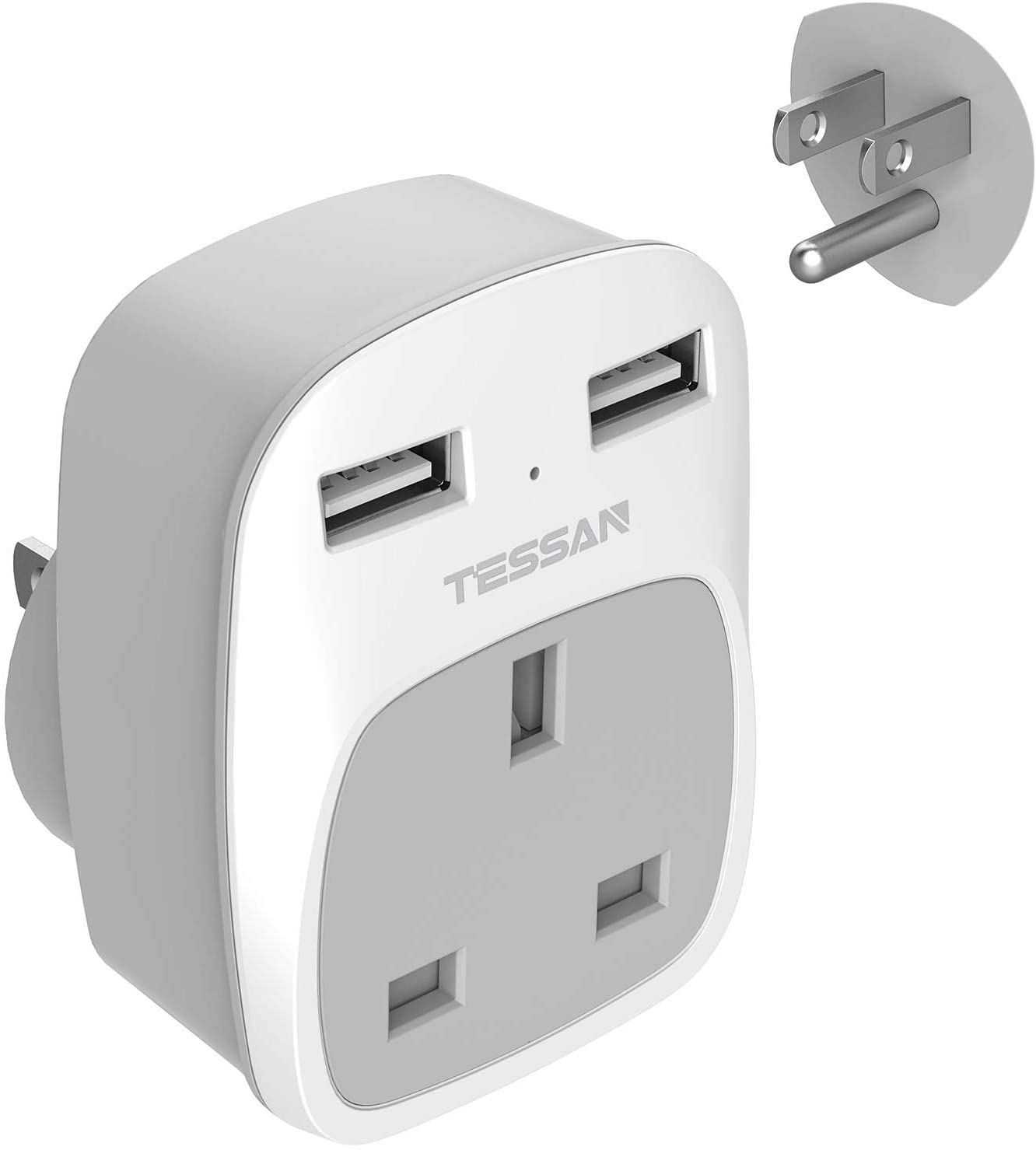
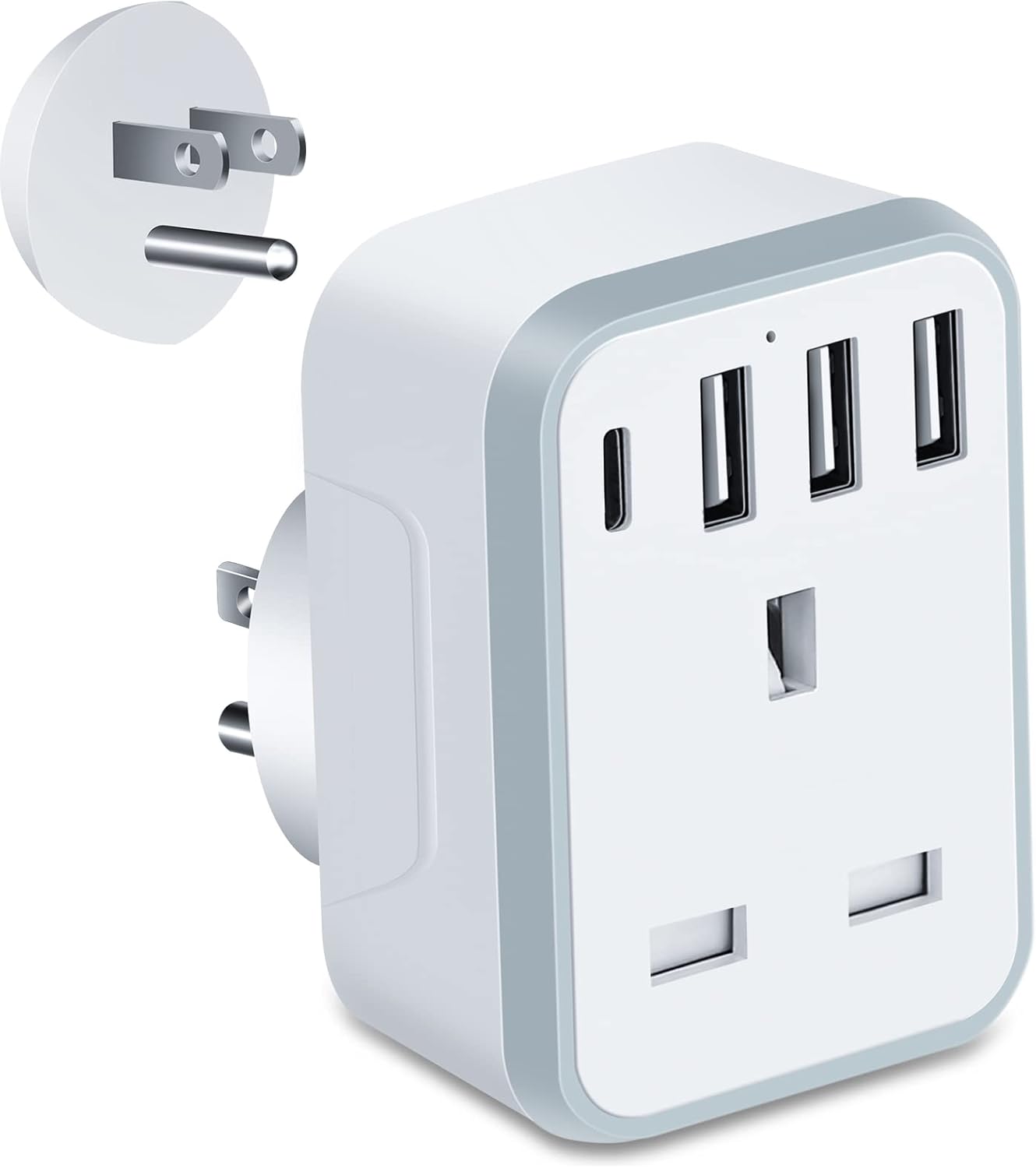
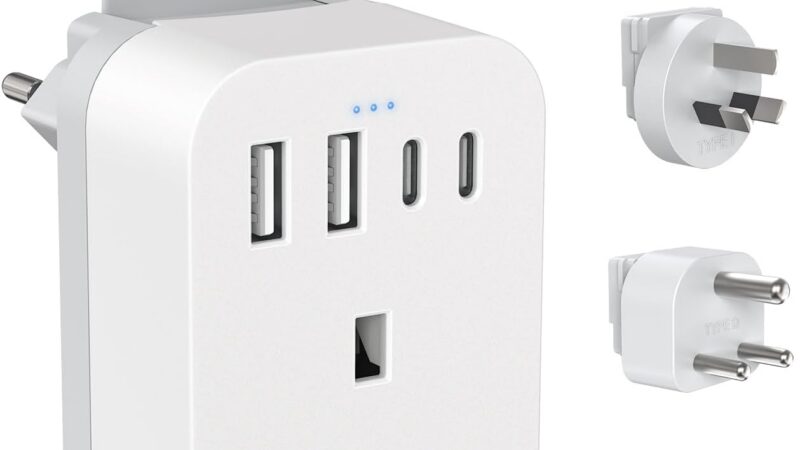
Thailand uses Type A, B, C and O sockets at 230V. Most wall sockets are hybrids that take several plug shapes, but a UK plug won’t fit, so bring an adapter.
How much does it cost to visit Chiang Mai?
Less than Bangkok or the islands. Guesthouses, street food and local transport are cheap. A cooking class or a full day at an elephant sanctuary will be the biggest spends, so check current prices when you book.
Are elephant rides ethical in Chiang Mai?
No, riding harms elephants. Choose a sanctuary such as Elephant Nature Park, Elephant Jungle Sanctuary or Ran-Tong, where you feed and bathe the elephants instead. Skip any place offering rides, shows or painting.