Poland Holidays: Cities & Travel Guide
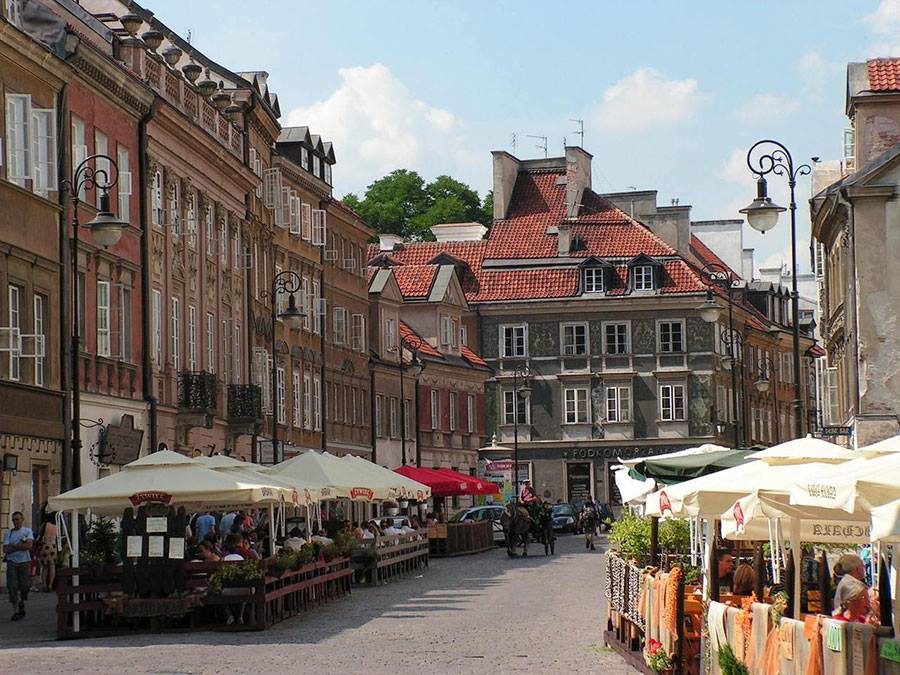
Poland holidays surprised me. I spent a week there split between Krakow and Warsaw, and both cities exceeded expectations. Krakow’s medieval old town and the sobering history of nearby Auschwitz left deep impressions, while Warsaw’s rebuilt old town – destroyed in WWII and painstakingly reconstructed – showed a resilience that defines the country. The Wieliczka Salt Mine was unlike anything I had seen elsewhere, and the food – pierogi, bigos, żurek soup – proved far more interesting than I had expected.
About Poland
Poland rewards curiosity. The country has Auschwitz and Birkenau – sobering and necessary history – but also medieval castles, royal burial grounds, baroque churches, and cities that rebuilt themselves after near-total wartime destruction.
For something unusual, the Elblag Canal lets boats travel overland on rail cars to navigate a difference in water levels – an engineering curiosity from the 19th century. History enthusiasts can visit Wolf’s Lair in northeastern Poland, the wartime headquarters where the 1944 assassination attempt on Hitler (Operation Valkyrie) took place. The room where the bomb went off is still there.
Things to do in Poland
Wieliczka Salt Mine
The Wieliczka Salt Mine is one of the most unusual places I have visited. Mining started here in the Middle Ages and continues today, but the section open to tourists is a UNESCO World Heritage Site with 300 kilometres of underground passages on multiple levels. About 22 chambers are open to the public, including chapels, monuments, caverns, and salt rock carvings – everything carved from salt. There is even a sanatorium 135 metres underground used by people with asthma and allergies. The tour covers about 2 kilometres and finishes with a lift back to the surface. Wear comfortable shoes.
St Mary’s Basilica
The original church was destroyed in the 13th century and rebuilt in 1320 in Gothic style. The two towers date from the 15th century. The wood-carved altarpiece inside took 12 years to complete and shows scenes from the life of Christ, with paintings by Polish artists around the altar. A bugle call sounds from the tallest tower at the top of each hour. The stained glass windows include one said to be designed by Picasso. The church holds around 300 historic vestments.
Wawel Cathedral
Wawel Cathedral in Krakow is the coronation ground and burial place of Polish royalty and national heroes. The building was completed in 1364 and holds art from the Renaissance, Gothic, and Baroque periods. In the centre is the mausoleum of St Stanislav, the patron saint of Poland. Pope John Paul II served here as Archbishop of Krakow. Eighteen side-chapels surround the main space, with royal tombs throughout. The Sigismund Chapel is considered the finest Renaissance chapel north of the Alps. Climb the tower to see the Sigismund bell, and go down into St Leonard’s Crypt. Guided tours are available.
Royal Castle – Wawel
Wawel Castle now operates as a museum, but during the 16th century it was the centre of Polish political life. The castle was later used as a military hospital and as Nazi headquarters in World War 2. Tours take in the preserved arcade, historic halls, art collections, and a notable set of Flemish tapestries.
Old Town Warsaw
Warsaw’s Old Town dates to the 13th century. It was completely destroyed in World War 2 and subsequently rebuilt. The area is now a UNESCO World Heritage Site, with restaurants, shops, and historic monuments. Look for the Warsaw Mermaid statue in the square, placed there in 1855, and King Zygmunt III Waza’s column, the oldest non-church monument in Warsaw.
Auschwitz-Birkenau State Museum
The Auschwitz-Birkenau State Museum marks the site of the largest German Nazi concentration camp. The museum documents the people murdered here during World War 2. There are 13 prison blocks at Auschwitz housing permanent exhibitions, and over 300 former prison structures at Birkenau. The watchtower at Birkenau’s entrance gives a view across the full extent of the site. This is difficult to visit but important.
Majdanek National Museum
Majdanek in Lublin was another Nazi concentration and extermination camp, where around 60,000 Jews were killed. The site has indoor and outdoor exhibitions. The barracks are well preserved, and the crematorium is open to visitors. Prisoner testimonies and documentation on the extermination programme are part of the exhibition.
European Solidarity Centre
The museum is dedicated to the Solidarity movement from Poland’s post-war fight for freedom in the 1970s, 1980s and later years. A visit here offers an interactive experience with artefacts, media boards and even an old shipyard. Allocate at least 2 hours to visit the museum. There are also a number of Polish exhibitions at the museum. Make your way through an interrogation room and an old living room.
What to pack for Poland
Pack according to the season. Winters are cold, so bring a proper coat if travelling November through March. Summers are warm but variable – a light waterproof is useful. Comfortable walking shoes are essential for Krakow and Warsaw, where you will cover a lot of ground on foot.
Clothing
Check the weather before packing. Spring and autumn can be cool and wet, so bring layers and a waterproof jacket. Summers are warm enough for light clothing. Winters require a proper coat, gloves, and warm footwear.
Electronics
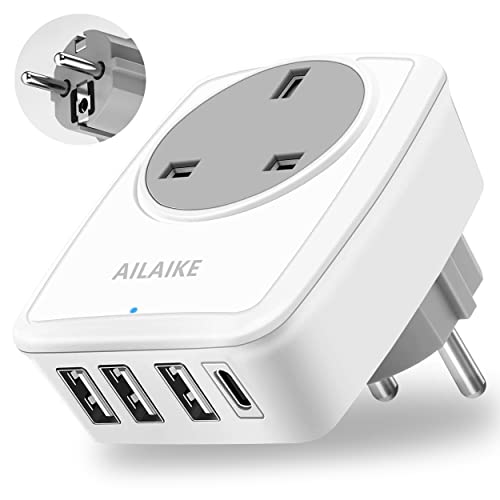
Bring your smartphone, camera, and chargers, along with a UK to Poland travel adapter for Type E/F sockets. A portable power bank is useful for long days out.
Toiletries
Pack travel-sized toiletries such as shampoo, conditioner, body wash, toothpaste, and a toothbrush. It’s also a good idea to bring any necessary medications and a small first-aid kit with essentials like pain relievers, band-aids, and any prescription medications you might need.
Language and travel guides
Download a Polish language app or bring a pocket-sized phrasebook to help you communicate with locals. A travel guidebook or offline maps can also be useful for navigating your way around Poland’s cities and attractions.
Money and cards
Bring a mix of cash and cards for your trip. It’s always wise to have some Polish złoty on hand for small purchases or emergencies, but credit cards are widely accepted in most establishments.
Snacks
Pack a few non-perishable snacks to keep you energized during long days of sightseeing or traveling between destinations. Granola bars, nuts, and dried fruit are all great options.
Entertainment
Long flights or train rides can be more enjoyable with a good book, magazine, or downloaded movies and TV shows on your devices. Don’t forget your headphones!
Travel accessories
Travel Pillow
Consider packing a reusable water bottle, Trtl Travel Pillow, eye mask, and earplugs to make your journey more comfortable. A lightweight, foldable daypack can be useful for daily excursions, while packing cubes can help keep your luggage organized.
Travel Adapter Plug
Poland uses Type C and Type E plugs and sockets. Type C has two round pins, while Type E has two round pins and a grounding pin. The standard voltage in Poland is 230V, and the frequency is 50Hz. If your devices use a different plug type, you’ll need a travel adapter.
Travel documentation
Keep physical and digital copies of important travel documents, such as your passport, visa, driver’s license, and travel insurance details. A small notebook and pen can be useful for jotting down important information or capturing memories during your trip.
Pack light if you can – both Krakow and Warsaw have good shops if you forget something.
Frequently Asked Questions
Do I need a visa to visit Poland?
UK visitors can stay in Poland visa-free for up to 90 days in any 180-day period. Poland is an EU and Schengen member. Ensure your passport is valid for at least 6 months beyond your planned stay.
What is the best time to visit Poland?
The best time to visit Poland is from April to June and September to October, when the weather is mild and tourist crowds are manageable. Summer (July-August) offers warm weather but more tourists, while winter can be cold but charming, especially during Christmas markets.
What currency does Poland use?
Poland uses the Polish złoty (PLN). While Poland is an EU member, it has not adopted the Euro. Credit cards are widely accepted in cities and tourist areas, but it’s advisable to carry some cash for smaller establishments and rural areas.
What type of power plugs does Poland use?
Poland uses Type C and Type E plugs with two round pins. The standard voltage is 230V at 50Hz. UK visitors will need a travel adapter, while US visitors will need both an adapter and a voltage converter for appliances not rated for 230V.
Is Poland expensive to visit?
Poland is one of Europe’s more affordable destinations. Budget travellers can expect to spend around £30-50 per day including accommodation, meals, and local transport. Mid-range travellers should budget £60-100 per day. Warsaw and Krakow are slightly more expensive than smaller cities.
Is Poland safe for tourists?
Poland is generally very safe for tourists. Petty crime like pickpocketing can occur in crowded tourist areas and public transport in major cities, but violent crime is rare. Take standard precautions with valuables and be aware of your surroundings in busy areas.