Dominican Republic Holidays: Resorts & Beaches
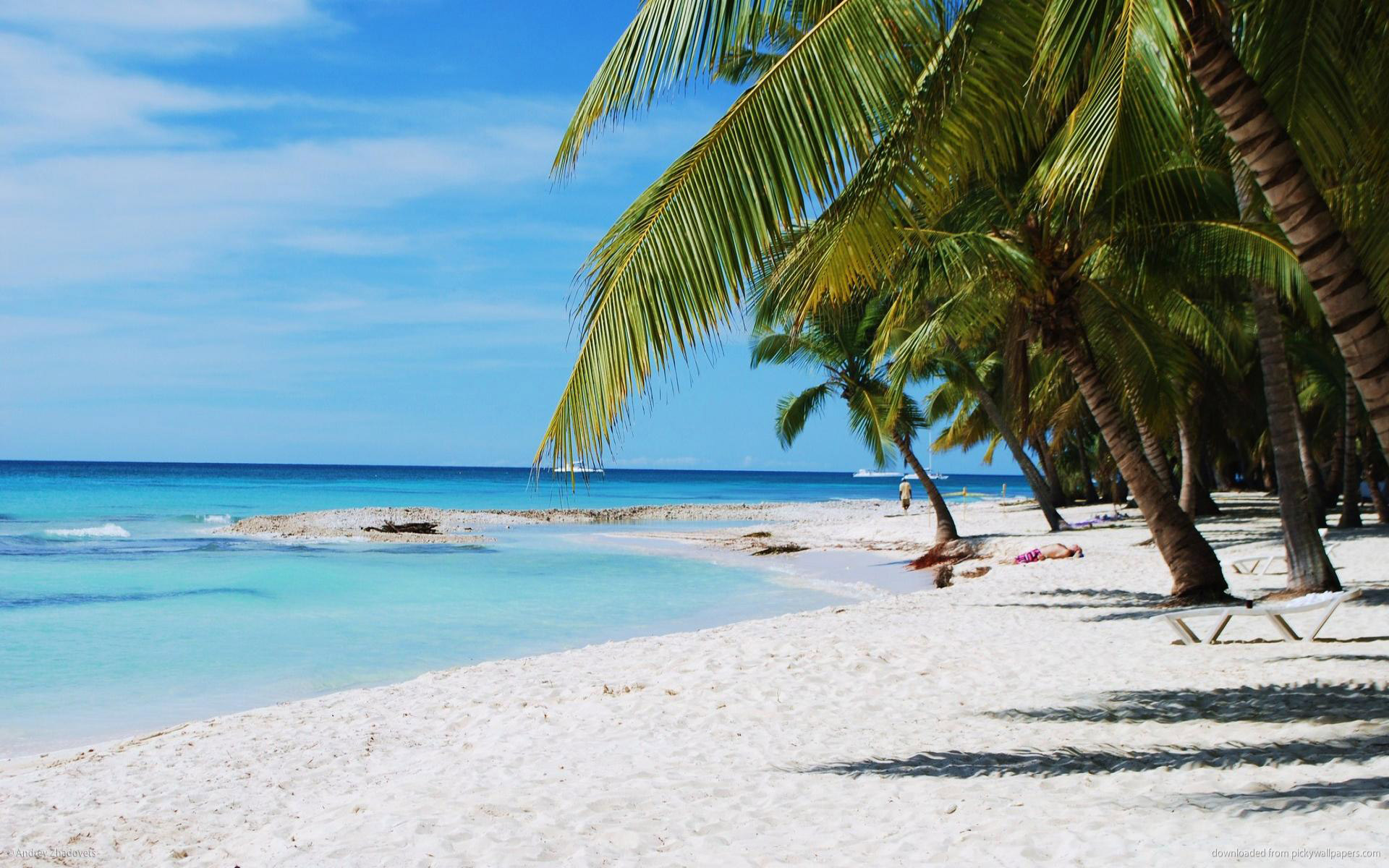
Dominican Republic holidays offer the Caribbean at its most accessible. I spent a week here – half in a Punta Cana resort, half exploring Santo Domingo – and came away understanding why this is one of the most visited destinations in the region. The beaches are excellent, the prices undercut much of the Caribbean, and the all-inclusive model means you know exactly what you are spending before you arrive.
The country occupies the eastern two-thirds of Hispaniola, sharing the island with Haiti. Most visitors head to the eastern beaches around Punta Cana, where dozens of resorts line kilometres of white sand. But there is more to the country than the resort strip – Santo Domingo has genuine historical significance as the oldest European-founded city in the Americas, and the mountainous interior and Samana Peninsula offer a different character entirely.
Punta Cana
The main tourist zone occupies the eastern tip of the country, with over 30 kilometres of beach lined with all-inclusive resorts. This is package-holiday Caribbean – predictable, comfortable, and largely self-contained.
The Beaches
The beaches are genuinely excellent. Bavaro Beach, the main stretch, has soft white sand and calm, warm water. Palm trees line the shore; beach bars keep drinks flowing. If you want a Caribbean beach holiday without surprises, this delivers.
Bavaro Beach – The most popular and most crowded section, with the highest concentration of resorts.
Uvero Alto – Further north, quieter and slightly less developed. Better for those wanting a more relaxed atmosphere.
Cap Cana – South of the main strip, newer and more upscale. Some of the better resorts are here.
Resort Life
Most visitors stay at all-inclusive resorts and rarely leave. The model works: pay upfront, then eat, drink, and swim without constantly reaching for your wallet. Quality varies significantly – research before booking.
What is typically included: Accommodation, all meals, drinks (including alcohol), pools, beach access, basic activities, evening entertainment.
What usually costs extra: Spa treatments, premium liquors, excursions, tips.
The resort bubble has advantages (simplicity, predictable costs) and disadvantages (limited interaction with Dominican culture, generic experience). If you want to see more of the country, rent a car or book excursions.
Day Trips from Punta Cana
Saona Island – The most popular excursion: a boat trip to an offshore island with beaches, a natural pool for swimming, and included lunch. Crowded but scenic. DOP 3,500-5,500 (£50-80).
Hoyo Azul – A natural cenote (swimming hole) with striking blue water at the base of a cliff. Worth the trip for the setting. DOP 2,000-3,000 (£30-45).
Santo Domingo – The capital is about 2-3 hours by road. Day trips cover the colonial zone; stay overnight for a fuller experience.
Santo Domingo
The capital is a different proposition to the beach resorts – a chaotic Caribbean city with genuine historical depth. The Zona Colonial (Colonial Zone) is a UNESCO World Heritage Site containing the oldest cathedral, monastery, and hospital in the Americas.
Zona Colonial
The old town sits along the Ozama River, with cobblestone streets, 16th-century buildings, and plazas that feel authentically colonial rather than reconstructed for tourists.
Catedral Primada de America – The first cathedral in the Americas, completed in 1540. The interior is relatively simple; the significance is in the age.
Alcazar de Colon – The palace built for Diego Columbus (Christopher’s son), who governed the Spanish colonies from here. Now a museum of colonial-era artifacts. Entry DOP 200 (£3).
Calle de las Damas – The oldest paved street in the Americas, lined with colonial mansions now housing museums and government buildings.
Fortaleza Ozama – The oldest military fortification in the Americas, overlooking the river. Climb the Tower of Homage for city views.
Beyond the Colonial Zone
Malecon – The waterfront promenade stretching along the Caribbean coast. Best in the evening when locals gather. The nightlife scene is livelier here than anywhere else in the country.
Mercado Modelo – A covered market selling crafts, rum, cigars, and souvenirs. Bargaining expected.
Two or three days covers the main sights comfortably.
Samana Peninsula
The northeast peninsula offers a different pace – quieter beaches, whale watching, and a more natural setting than the resort coasts.
Las Terrenas
The main town on the peninsula, with a mix of locals, expats, and tourists. The beaches are good, the restaurants are varied, and the atmosphere is laid-back. A rental car helps for exploring the area.
Whale Watching
Humpback whales migrate to Samana Bay from January to March to breed. Boat trips from Samana town offer close encounters with the whales. This is one of the best whale-watching destinations in the Caribbean.
Tours cost DOP 3,500-5,000 (£50-70) and sell out in peak season – book ahead.
Salto El Limon
A 40-metre waterfall in the mountains, reached by horseback or hiking trail. The hike is muddy but manageable; the waterfall pool is good for swimming. Guides are required for the trail. DOP 1,000-1,500 (£15-22) including guide.
Dominican Food
The cuisine is hearty Caribbean fare – rice, beans, and meat in various combinations.
Traditional Dishes
La Bandera – “The Flag,” the national dish: white rice, red beans, and stewed meat (often chicken or beef), served with salad. Named for the colours resembling the Dominican flag.
Sancocho – A thick stew with multiple meats (chicken, pork, sausage), root vegetables, and plantains. Served at celebrations and family gatherings.
Mangu – Mashed green plantains, typically served at breakfast with fried cheese, salami, and eggs. Simple and filling.
Mofongo – Mashed fried plantains with garlic, formed into a bowl and filled with meat or seafood. Rich and substantial.
Tostones – Twice-fried plantain slices, served as a side dish.
Drinks
Presidente – The most popular local beer. Light and refreshing.
Mamajuana – A medicinal (supposedly) drink made from rum, red wine, and honey infused with tree bark and herbs. Sold as an aphrodisiac; tastes better than that description suggests.
Morir Sonando – “To die dreaming,” a sweet drink of orange juice, milk, sugar, and ice.
At local restaurants, expect to pay DOP 300-500 (£4-7) for a meal; resort restaurants are included in all-inclusive rates.
Practical Information
Getting There
Flight times from UK: 8-9 hours direct (seasonal); more common with connections through US or European hubs.
Flight times from US East Coast: 3-4 hours.
Main airports:
- Punta Cana International (PUJ) – Most resort visitors
- Santo Domingo Las Americas (SDQ) – Capital access
- Puerto Plata Gregorio Luperon (POP) – North coast
Most resorts include airport transfers in packages.
Getting Around
Within resorts: Most are large and provide shuttle buses between areas.
Between destinations: Rental cars are available; driving is challenging by European standards (chaotic traffic, aggressive driving). Taxis and organised excursions are easier options.
Public transport: Guaguas (minibuses) connect towns cheaply but slowly. Not practical for most tourists.
When to Visit
December to April – Dry season, peak tourist season, highest prices.
May to June – Shoulder season. Some rain, fewer crowds.
July to November – Hurricane season. Lower prices but risk of storms, especially August to October.
Costs
The Dominican Republic offers good value for the Caribbean.
All-inclusive packages (including flights from UK):
- Budget: £700-900/week in low season
- Mid-range: £1,000-1,500/week
- Upscale: £2,000+/week
Outside resorts:
- Local restaurant meal: DOP 300-500 (£4-7)
- Beer: DOP 100-200 (£1.50-3)
- Taxi within town: DOP 200-500 (£3-7)
- Day excursion: DOP 2,500-5,500 (£35-80)
Visas
UK and US citizens do not need a visa for tourism. A tourist card is required – usually included in flight cost or obtained on arrival. Passports must be valid for the duration of stay.
Language
Spanish. English is widely spoken in resort areas and tourist businesses; limited elsewhere.
Safety
The Dominican Republic is generally safe in tourist areas with normal precautions:
- Keep valuables secure
- Use hotel safes
- Avoid isolated areas at night
- Use official taxis or resort transport
Traffic is chaotic; exercise caution if driving.
Power
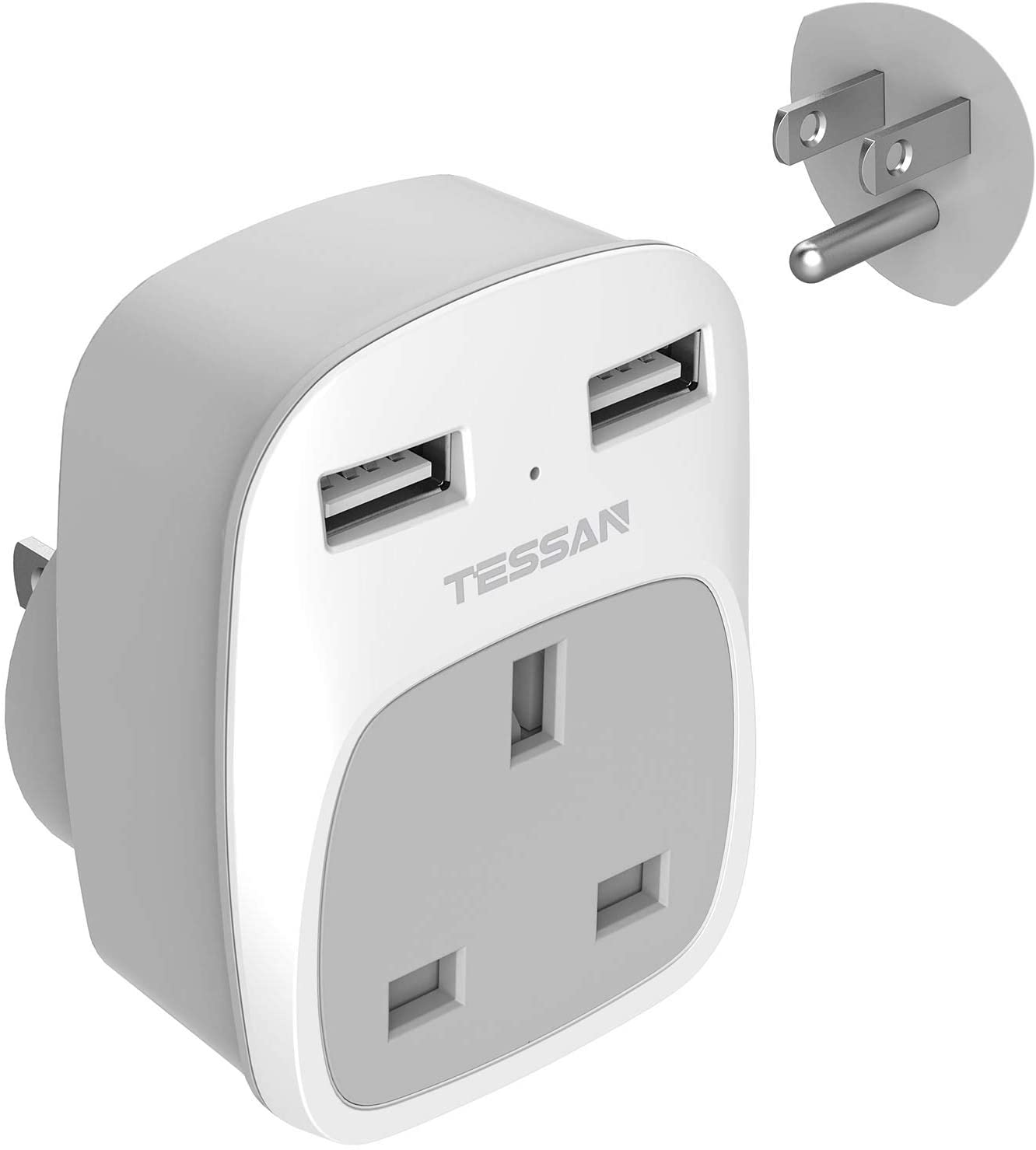
Dominican Republic uses Type A and B plugs (two flat pins, same as US). Voltage is 110V. UK visitors need a travel adapter.
Frequently Asked Questions
Do I need a visa to visit the Dominican Republic?
UK and US citizens do not need a visa for tourism. A tourist card is required and is usually included in flight costs or obtained on arrival. Passports must be valid for the duration of your stay. Most EU citizens also don’t need a visa for tourist visits.
When is the best time to visit the Dominican Republic?
December to April is the dry season with peak tourist activity and highest prices. May to June is shoulder season with some rain and fewer crowds. July to November is hurricane season with the lowest prices but risk of storms, especially August to October. The weather is warm year-round.
What currency does the Dominican Republic use?
The Dominican Republic uses the Dominican Peso (DOP). US dollars are widely accepted in resort areas and tourist businesses. ATMs are available in cities and tourist zones. Credit cards are accepted at most hotels and larger establishments.
How much does an all-inclusive resort cost in the Dominican Republic?
All-inclusive packages (including flights from UK) range from £700-900/week in low season for budget options, £1,000-1,500/week for mid-range resorts, and £2,000+/week for upscale properties. The Dominican Republic offers good value compared to other Caribbean destinations.
Is the Dominican Republic safe for tourists?
The Dominican Republic is generally safe in tourist areas with normal precautions. Keep valuables secure, use hotel safes, avoid isolated areas at night, and use official taxis or resort transport. Resort areas and Punta Cana are well-policed. Traffic is chaotic, so exercise caution if driving.
What is included in Dominican all-inclusive resorts?
Typically included: accommodation, all meals, drinks (including alcohol), pools, beach access, basic activities, and evening entertainment. Usually costs extra: spa treatments, premium liquors, excursions outside the resort, and tips. The quality and inclusions vary significantly between resorts.